






With input from The New York Times, Investor’s Business Daily, Bloomberg, Al Jazeera, and Market Watch.
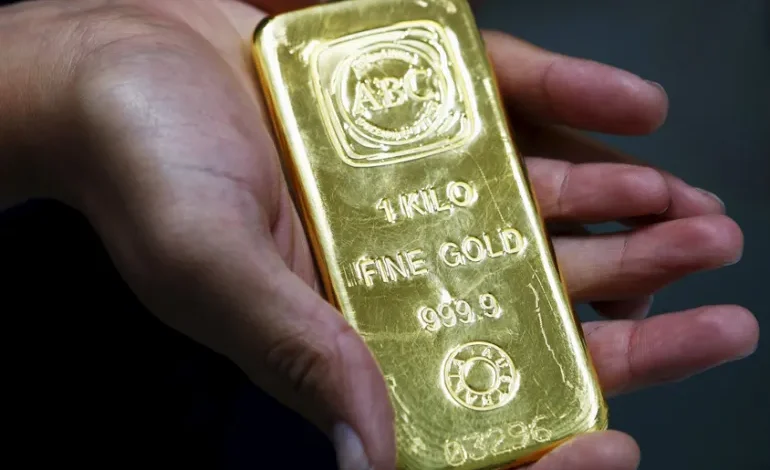
The market’s next big check will be how central banks react and whether geopolitical pressures ease or intensify. Either way, after crossing the $5,000 line, gold has made clear this is no longer a marginal market footnote. It’s the beat driving a lot of the risk-vs-safety conversation on trading floors and in family kitchen conversations alike.
Why the surge? It’s the classic recipe for gold: nervous investors + a weaker greenback + big buyers on the sidelines. Headlines about geopolitical tensions and trade flashpoints have pushed some traders to flee risk, while the dollar’s slide – amplified by talk of coordinated moves to support the yen – has made bullion cheaper for holders of other currencies, adding fuel to demand. Bloomberg’s markets wrap captured that dual dynamic: the greenback slipping toward multi-year lows at the same time gold topped the $5,000 mark.
This isn’t a small pop. Gold posted its biggest annual gain in decades in 2025 and has kept up a blistering run into 2026. Analysts point to a handful of structural drivers behind the jump: persistent safe-haven flows, continued central-bank purchases (with China among the steady buyers), and record inflows into gold exchange-traded funds – all of which have combined to push prices into uncharted territory. Al Jazeera noted that the metal rose more than 18% already this year and had gained some 64% in 2025, its largest annual increase since the late 1970s.
It’s not only the bullion that’s reacting. Exchange-traded funds that track gold and stocks of gold miners have seen notable inflows and price spikes as investors hunt both direct and leveraged exposure to the rally. For everyday investors, that means a widening chasm between those who bought in early and those who face the temptation of chasing momentum now. If you’re allocating fresh cash, timing is suddenly a far bigger question than it was a year ago. (See sources below for reporting on ETF and miner flows.)
Currency markets have been a major subplot. After prolonged weakness, the Japanese yen showed signs of life – a rebound that prompted speculation Tokyo might intervene to stem volatility. Talk of intervention often makes global investors nervous because it signals central-bank willingness to step into markets, and it can ripple across currencies and asset classes. The dollar’s dip helped clear the path for gold’s advance by making dollar-denominated bullion cheaper for buyers elsewhere – a straightforward mechanical tailwind that can matter a lot when demand is surging.
What’s changing for portfolios? For decades, gold’s role has been straightforward: a hedge against inflation, a hedge against currency debasement, and an insurance policy in geopolitical panic. This week’s move rekindled the argument that every portfolio should hold at least a sliver of the metal – a narrative popularized by recent MarketWatch and investor-advice pieces that argue gold’s asymmetric payoff during crises justifies a place in long-term allocations. That argument is louder when gold is making new highs, but it’s also more fraught: buying the top is a real risk, and gold can be volatile when central-bank policy expectations shift.
Miners and mining ETFs have been among the more volatile corners of the trade. Their share prices can outpace bullion on the upside – and suffer larger drawdowns on the way back down – because they’re leveraged plays on the metal’s price plus corporate-level risks (production, costs, politics). For traders, miners are a way to amplify returns; for many long-term investors, they’re a riskier, less pure hedge than direct bullion or large, diversified ETFs. (Investors.com and other outlets have tracked these flows and the big daily moves.)
What might stop the rally? Plenty of things. A sudden re-pricing of inflation or a firmer dollar – perhaps tied to central-bank chatter or surprising macro data – would be a cold shower for gold. So would a decisive thaw in the geopolitical issues worrying investors now. And some analysts caution that when a market moves as far as gold has already, profit-taking and technical selling can trigger abrupt pullbacks.
Still, the structural picture is tilted toward continued interest. Central banks around the world, particularly in Asia, have been steady and sometimes aggressive buyers of bullion as part of reserve diversification. Meanwhile, global policy uncertainty – from trade rows to regional conflicts – keeps the notion of an insurance asset relevant. Al Jazeera’s roundup says the striking flows into ETFs and ongoing central-bank purchases are core reasons this leg of the rally has legs.
For ordinary investors, the takeaway is messy but familiar: gold is a hedge, not a hedge-all. If you believe geopolitical and currency risks will remain elevated – and you don’t need immediate liquidity – allocating to physical gold, broad bullion ETFs or a carefully chosen slice of mining stocks could make sense as insurance. But if you’re chasing performance, beware of getting swept up in momentum near record highs.
The market’s next big check will be how central banks react and whether geopolitical pressures ease or intensify. Either way, after crossing the $5,000 line, gold has made clear this is no longer a marginal market footnote. It’s the beat driving a lot of the risk-vs-safety conversation on trading floors and in family kitchen conversations alike.



The latest news in your social feeds
Subscribe to our social media platforms to stay tuned