




With input from the New York Times, CNBC, the Financial Times, AP, Business Insider, and the Wall Street Journal.
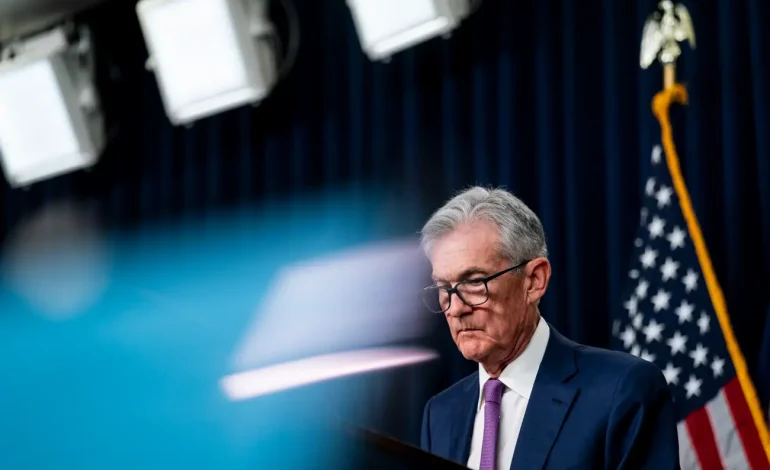
The Federal Reserve looks ready to hit the brakes on its rate-cutting cycle – not because it’s worried the economy’s collapsing, but because it doesn’t feel the rush. After three cuts late last year, policymakers are preparing to hold rates steady around 3.50%–3.75% at this week’s meeting, signaling a pause until clearer evidence on inflation and jobs shows up.
That’s not exactly a dramatic pivot – more a collective shrug. Officials are sticking to a “wait-and-see” stance: inflation has cooled compared with the recent highs but remains stubbornly above the Fed’s 2% goal, and the labor market is steady enough that cutting more right now would feel premature. The Fed’s post-meeting language may drop hints about future moves, but markets are increasingly pricing in a longer pause than many had expected.
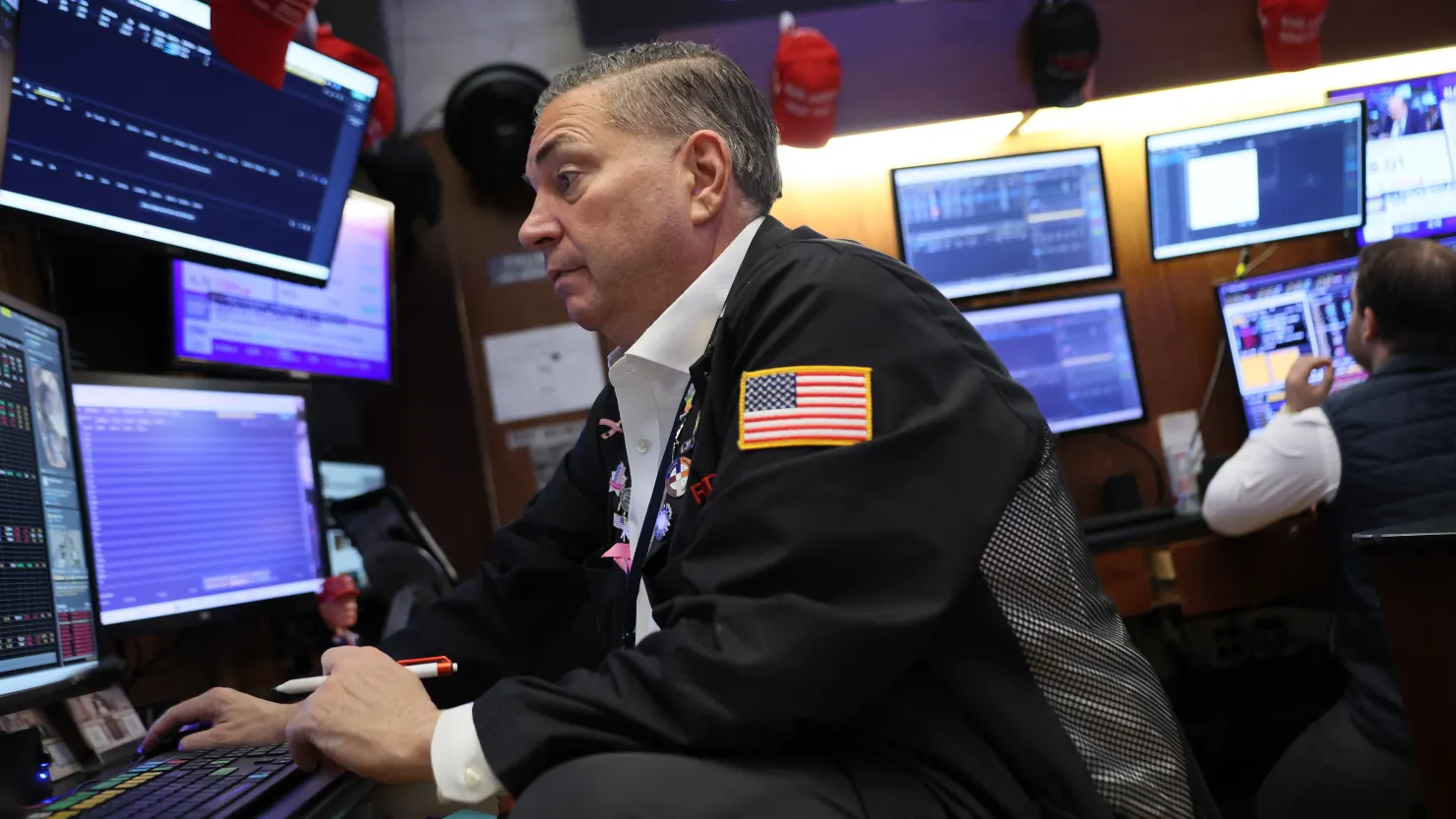
Investors reacted the way they usually do to Fed indecision: a little messy. Treasury yields bounced around as traders recalibrated bets on how many cuts – if any – will actually happen this year, and some big banks have started to push back against the idea of multiple cuts in 2026. JPMorgan, for example, has signaled that markets may be too optimistic about rate relief. That skepticism is nudging bond investors back into longer-duration bets, but with caution.
Why the caution? The data are mixed. Consumer spending and GDP flashes show decent momentum, and hiring hasn’t cratered, so officials worry that loosening policy too fast could re-ignite price pressure. At the same time, headline inflation is down from its peak, which keeps alive the possibility of future cuts – but only if the next few months bring clearer progress. Policymakers want to see a pattern, not a single print.
Politics and personnel are adding noise to the backdrop. The Fed is operating in an unusually tense environment this winter, with political scrutiny on the central bank’s leadership and potential changes on the Board of Governors. That pressure isn’t the formal driver of policy, but it’s part of the broader uncertainty officials are weighing as they decide how boldly to move.
For markets, the practical upshot is simple: don’t plan on a rush of rate relief. Traders are now leaning toward fewer cuts and a longer interval between any easing moves, which keeps borrowing costs higher for longer and changes how investors price everything from mortgages to corporate debt. If inflation proves stickier than hoped or the jobs market surprisingly strong, the Fed will have little reason to restart cuts soon.
Still, the Fed isn’t frozen forever. Officials hinted they’d be open to future adjustments if the data justify them – meaning the door stays ajar for cuts later in the year, even if it’s looking like a longer, more cautious hallway than markets once expected. For now, the message is clear: pause, watch the data, and don’t rush.
Bottom line: the Fed has moved from a sprint to a cautious walk. That’s good news for anyone hoping for stability, and bad news for anyone banking on quick rate relief. Either way, the next few economic reports – jobs, inflation measures and consumer activity – will decide whether that walk turns back into a stroll or stays a long, steady march.



The latest news in your social feeds
Subscribe to our social media platforms to stay tuned