


Nuuk blackout exposes fragility as Greenland navigates geopolitical pressure
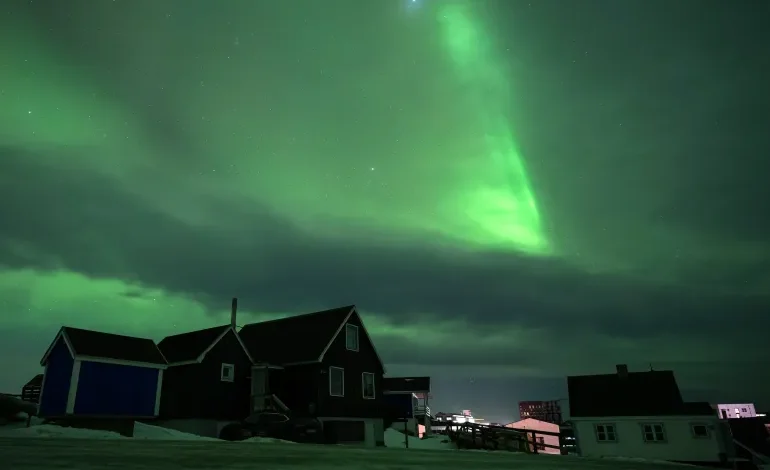

Greenland’s capital, Nuuk, was hit by a widespread power outage late Saturday after strong winds triggered a transmission failure, according to the state utility, underscoring infrastructure vulnerabilities as the Arctic island faces heightened geopolitical tension linked to US President Donald Trump’s territorial ambitions.
Around 10:30pm local time (00:30 GMT Sunday), residents began reporting a sudden, citywide blackout, Greenlandic newspaper Sermitsiaq said. The utility later confirmed that gusty winds at the Buksefjord hydroelectric power plant caused “a line error on our transmission line”, forcing operators to switch to an emergency plant while crews worked to restore service.
The outage disrupted more than electricity. Water supplies were affected in parts of the city, and some residents also experienced internet connectivity issues, Sermitsiaq reported. By 3:30am on Sunday (05:30 GMT), power had been restored to about 75 percent of Nuuk’s roughly 20,000 residents. The utility urged people to conserve electricity as systems were gradually brought back online.
The blackout followed the release of a government brochure outlining disaster preparedness guidance, advising Greenlanders to stock drinking water, food, medicine, warm clothing and alternative communication tools sufficient for at least five days. Officials stressed the advice was not a signal that a crisis was imminent.
Still, Greenland, a semi-autonomous territory of Denmark, has spent weeks under an intense geopolitical spotlight as Trump escalated rhetoric about taking control of the island. At the World Economic Forum in Davos, the US president appeared to partially retreat, saying he had ruled out using force and had agreed with NATO Secretary-General Mark Rutte on a “long-term” framework involving Greenland and the Arctic.
Greenland’s Prime Minister Jens-Frederik Nielsen said details of any such framework remained unclear, including whether Washington might seek control over territory near existing US military facilities.
“I don’t know what there is in the agreement, or the deal, about my country,” Nielsen said. “But sovereignty is a red line,” he added.


The latest news in your social feeds
Subscribe to our social media platforms to stay tuned