





With input from CNBC, the New York Times, AP, Axios, and Business Insider.
In a brief, somber message to employees this weekend, Michael Fiddelke – the executive slated to become Target’s next CEO – described the recent violence in Minneapolis as “incredibly painful,” urged calm and pledged to listen to staff. But he did not call out the federal officials at the center of the controversy or the president whose immigration enforcement policies precipitated the protests, a silence that has already drawn sharp reactions from workers and activists.
Fiddelke’s message, circulated internally and summarized in wider reporting, emphasized the human toll of recent events and Target’s priority on employee safety. He also noted that he had joined more than 60 Minnesota business leaders in signing an open letter asking for “de-escalation” and cooperation between local, state and federal authorities. The letter – distributed by the Minnesota Chamber of Commerce and signed by heavyweights from Target to General Mills and UnitedHealth – called for calm as the city grapples with protests after a federal immigration enforcement operation turned deadly.
What Fiddelke didn’t say, however, was unmistakable to critics: there was no mention of President Trump, who has defended aggressive immigration enforcement, and no direct naming of ICE or other federal agents involved in the incidents that sparked outrage. That omission has fueled disappointment among employees and community activists who wanted corporate leaders to explicitly condemn the actions of federal agents and push for accountability.
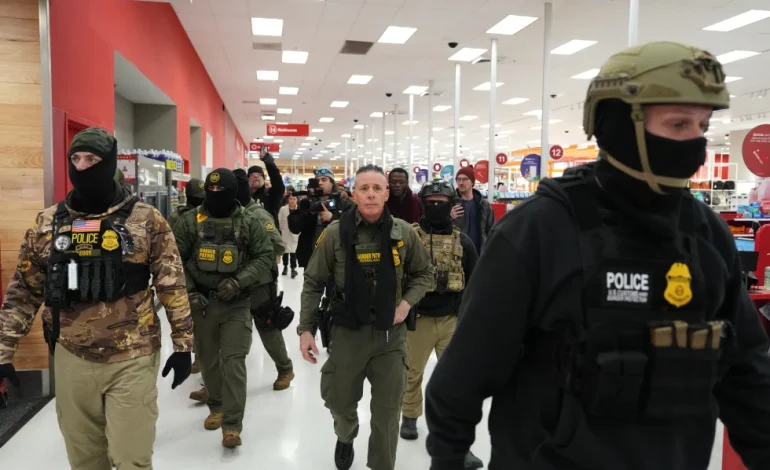
The latest flashpoint came after a January operation by federal immigration agents in Minneapolis that led to confrontations and, according to multiple reports, two fatal shootings that have galvanized protests across the Twin Cities. The deaths have prompted widespread demands for investigations and for companies based in Minnesota to take a public stand – or at least to explain their relationships with federal agencies.
Inside Target and among its staff, the reaction has been mixed. Some employees applauded the incoming CEO’s pledge to visit stores and listen; others said a bland call for calm felt tone-deaf next to video evidence and mounting public anger. A growing chorus of activists and some employees want firms to cut ties with ICE and to use their influence to press for transparency and accountability, not just plead for peace.
The tone of Fiddelke’s message mirrors a wider trend among Minnesota’s business leaders: a quick push for de-escalation without naming the actors that protesters say triggered the unrest. Over the weekend more than 60 CEOs – including leaders of Best Buy, 3M, General Mills and UnitedHealth – signed the Minnesota Chamber letter calling for officials at all levels to “work together” to address the crisis. The letter sought to strike a middle ground between condemning violence and asking for dialogue, but critics argue it sidesteps deeper demands.
Some staffers and outside observers see the reticence as risk management: companies fear being dragged into partisan fights, losing customers, or suffering operational disruptions if they take stronger stances. Others say that risk-management calculus ignores moral leadership and the unique duty of local corporate institutions to the communities that house their workers and customers.
Target’s public communications have tried to thread a needle: the company has reiterated it does not collaborate with immigration enforcement in ways that would enable agents to access employee data or on-site assistance, and the company has ramped up safety resources for stores affected by demonstrations. Executives say protecting employees and customers is the top priority while they work through a rapidly changing situation.
But for many workers, reassurance about safety isn’t the same as accountability. The contrast between a message that asks for calm and local demands for answers has prompted internal calls for more transparency from leadership about the company’s policies and any contractual or logistical relationships with federal agencies operating in the area.
The Minneapolis unrest sits squarely at the intersection of national politics and local pain. The shootings have become a flashpoint in the broader national debate over immigration enforcement and federal intervention – issues that are politically charged and will likely stay in the headlines. That makes it harder for CEOs to craft statements that satisfy both employees calling for justice and stakeholders wary of alienating political constituencies.
Expect more pressure on major Minnesota employers in the coming days. Activists are organizing, employees are pressing leadership for more direct action, and civic groups are calling on public officials for swift investigations. Fiddelke, who will soon take the reins at one of the state’s largest companies, has signaled he wants to listen first. Whether that listening turns into concrete policy changes or public stances remains to be seen – and will likely shape how employees and the community judge his leadership in the early days on the job.

The latest news in your social feeds
Subscribe to our social media platforms to stay tuned