



With input from CNBC, the Wall Street Journal, and Reuters.
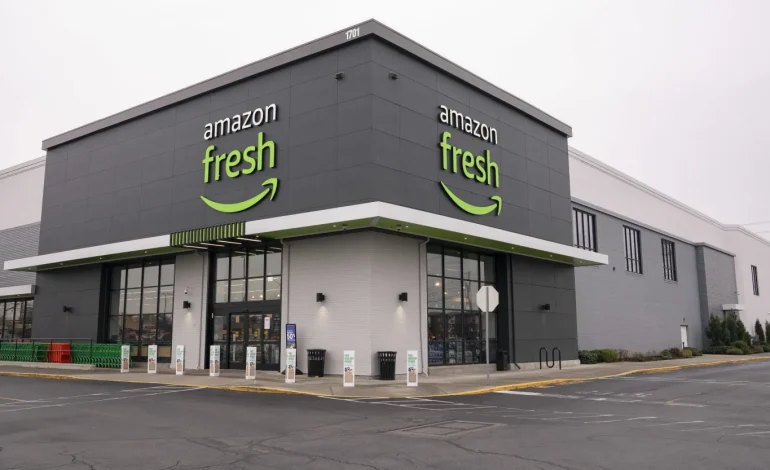
Amazon is pressing reset on its brick-and-mortar grocery experiment – again. The company said Tuesday it plans to close its Amazon Fresh supermarkets and Amazon Go convenience stores, converting some of those locations into Whole Foods Market stores as it refocuses its grocery ambitions on the upscale chain it bought nearly a decade ago.
The move marks the latest turn in Amazon’s almost 20-year push to crack the grocery business, a notoriously tough and low-margin industry even for tech giants with deep pockets.
“After a careful evaluation of the business and how we can best serve customers, we’ve made the difficult decision to close our Amazon Go and Amazon Fresh physical stores, converting various locations into Whole Foods Market stores,” Amazon wrote in a blog post.
While Amazon is pulling the plug on its Fresh and Go storefronts, it’s not abandoning groceries – or physical retail – altogether. The company said it will continue to offer Amazon Fresh grocery delivery online and plans to open more than 100 new Whole Foods stores over the next few years. It’s also expanding Whole Foods Daily Shops, smaller-format markets with a tighter selection of essentials.
Amazon framed the closures as part of a broader effort to prioritize investments. Beyond Whole Foods, the company said it’s still exploring other brick-and-mortar ideas, including what it described as a potential “mass physical store format.” Last month, local officials in a Chicago suburb approved plans for a large Amazon store that would sell groceries alongside household goods and general merchandise.
The decision brings an uncertain chapter to a close for Amazon Fresh. The chain launched in 2020 with the goal of attracting more mainstream grocery shoppers, but the rollout was rocky. Amazon opened stores quickly, then slammed the brakes, shutting locations and freezing expansion amid company-wide cost cuts. A revamped Fresh concept debuted in 2023, but the tinkering never really stopped. Last fall, Amazon closed all of its Fresh stores in the UK, followed by a handful of shutdowns in Southern California.
Amazon Go, meanwhile, was once one of founder Jeff Bezos’ favorite bets. The convenience stores debuted in 2018 with flashy “Just Walk Out” technology that used cameras and sensors to let shoppers skip checkout lines entirely. “No one likes to wait in line,” Bezos wrote in his 2018 shareholder letter, pitching the idea of a store where customers could grab items and leave without stopping.
But the tech proved expensive and complicated to scale. In 2024, Amazon began removing the cashier-less systems from its grocery stores. In recent years, the company has shifted to selling the technology to third parties – like stadiums, hospitals and college campuses – and testing it in its own warehouses instead.
All of this underscores how difficult it’s been for Amazon to find the right physical grocery formula, even after its $13.7 billion acquisition of Whole Foods in 2017, still the biggest deal in the company’s history. Since then, Amazon has steadily pulled Whole Foods closer to its core grocery operations. Last January, Whole Foods CEO Jason Buechel was tapped to oversee Amazon’s global grocery business.
Amazon has also been experimenting inside Whole Foods stores themselves. At some locations, it’s testing a “store within a store” setup that lets shoppers order a wider range of Amazon products – items you wouldn’t normally find at Whole Foods – from an attached automated warehouse.
For now, the message from Amazon is clear: Whole Foods is the anchor of its physical grocery strategy, while Fresh and Go are being left behind. Whether that sharper focus finally gives Amazon a durable foothold in grocery retail remains an open question – but it’s one the company seems determined to answer by doubling down on what’s worked best so far.



The latest news in your social feeds
Subscribe to our social media platforms to stay tuned