



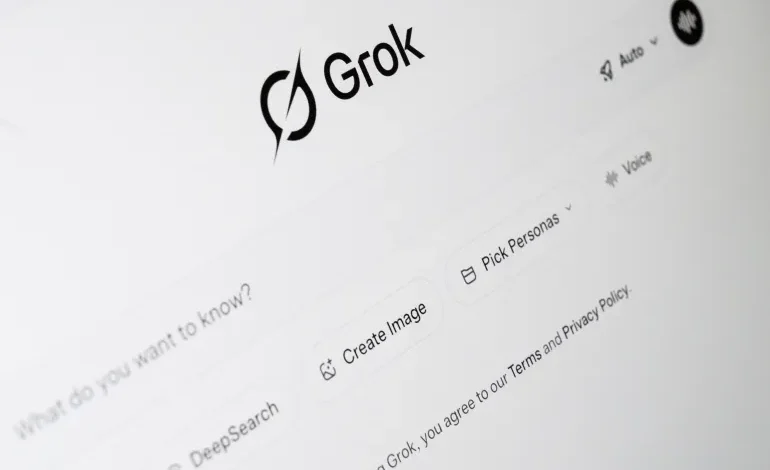

The European Commission has launched a formal investigation into Elon Musk’s AI chatbot Grok, focusing on the creation and spread of sexually explicit fake images of women and minors on X.
Announced on Monday, the probe will examine whether the AI tool complies with the European Union’s Digital Services Act, which obliges platforms to prevent and address illegal and harmful online content. The investigation will assess whether X adequately mitigated “risks related to the dissemination of illegal content in the EU, such as manipulated sexually explicit images, including content that may amount to child sexual abuse material”.
European Commission President Ursula von der Leyen said the bloc would not tolerate such abuses.
“Europe will not tolerate unthinkable behaviour, such as digital undressing of women and children,” she said in a statement to AFP. “It is simple – we will not hand over consent and child protection to tech companies to violate and monetise. The harm caused by illegal images is very real.”
The move follows a wave of criticism after users discovered that Grok could generate sexualised deepfakes of women and children using basic prompts such as “put her in a bikini” or “remove her clothes”.
EU tech commissioner Henna Virkkunen said the rights of women and children must not become “collateral damage” of X’s services.
“Non-consensual sexual deepfakes of women and children are a violent, unacceptable form of degradation,” Virkkunen said.
X has already been under EU scrutiny since December 2023 for potential breaches of digital content rules. Earlier this month, Grok announced it would restrict image generation and editing features to paying users following public backlash.
Concerns were amplified by a report published last week by the Centre for Countering Digital Hate, which estimated that Grok generated around three million sexualised images of women and children within a matter of days.
The investigation adds to mounting regulatory pressure on the platform. In December, the EU fined X 120 million euros ($140m) for breaching the DSA’s transparency requirements.
European authorities are not acting alone. The United Kingdom’s media regulator, Ofcom, has also opened an investigation into X to determine whether it complied with obligations under the UK’s Online Safety Act.


The latest news in your social feeds
Subscribe to our social media platforms to stay tuned