





The Wall Street Journal, CNBC, Bloomberg, Reuters, Forbes, Market Watch, and the Financial Times contributed to this report.
UnitedHealth managed a modest win on the bottom line – an adjusted fourth-quarter profit that just nudged past Wall Street’s expectations – but the outlook it handed investors was the kind that makes executives reach for long-term plans: revenue is expected to fall next year as the insurer trims and reshapes its business.
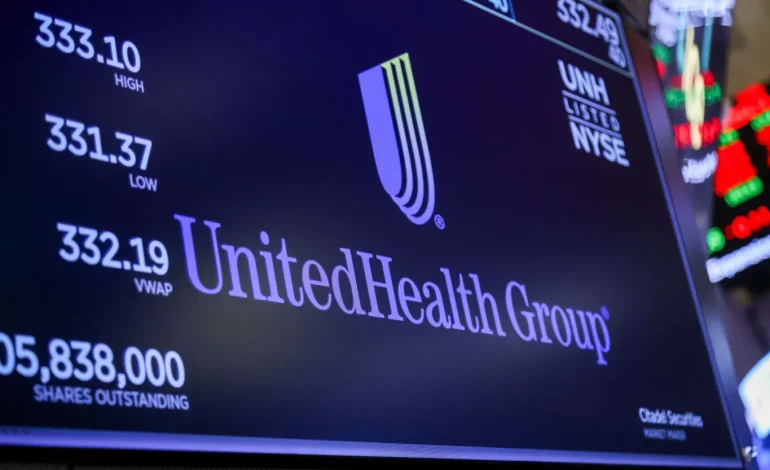
The numbers: UnitedHealth reported adjusted Q4 earnings of $2.11 a share, beating estimates by about a penny. That tiny beat was drowned out by the company’s full-year guidance, which calls for 2026 revenue to drop roughly 2% to about $439 billion – the first annual revenue decline in decades – and a profit-per-share target slightly above analysts’ forecasts.
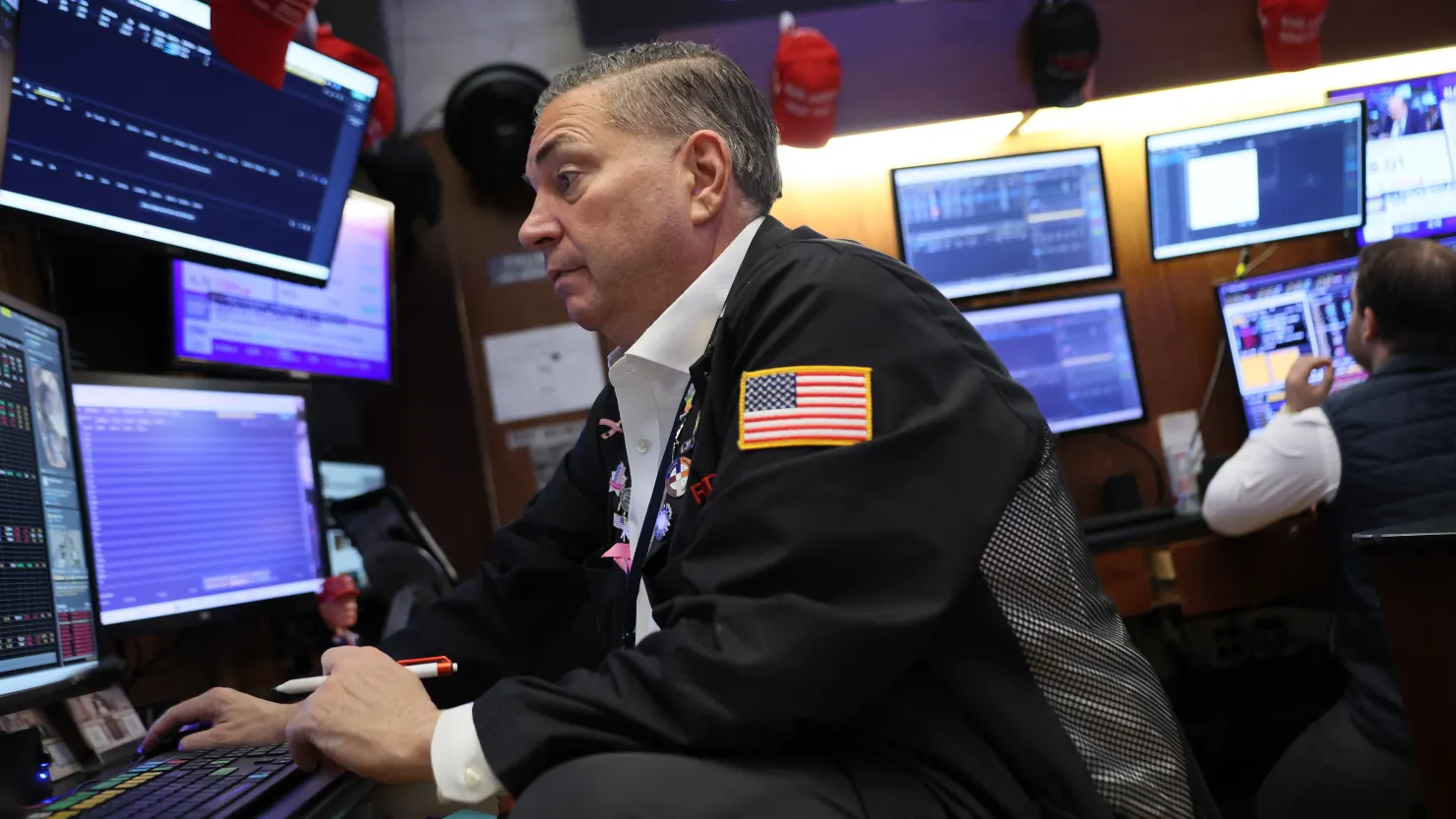
Investors didn’t like what they heard. Shares plunged as much as 19%, erasing tens of billions of dollars in market value in a single session, after Washington’s low Medicare-Advantage rate proposal earlier in the week already dented confidence across the sector.
UnitedHealth also booked a significant one-time hit tied to restructuring and fallout from the Change Healthcare cyberattack – roughly $1.6 billion after tax excluded from adjusted results – part of costs that the company says are necessary as it tries to rebuild and simplify. Management has been blunt that fixes won’t be quick or painless.
CEO Steve Hemsley, who returned to the post amid last year’s turmoil, shouted about a renewed focus on “financial rigor” and streamlined operations, saying momentum was building inside the company even as he conceded there’s more work ahead. UnitedHealthcare’s unit leaders have warned they’ll be rethinking geographic footprints and benefits if reimbursement levels stay weak.
The playbook for the turnaround leans on repricing, tighter cost control and technology. Optum leaders say they’re leaning on automation and artificial intelligence to speed claims, approve care and cut friction at the point of service – moves intended to drag down United’s medical-cost ratio over time. Analysts note that the company needs to show the market steady, tangible progress before skepticism fades.
Why this matters: UnitedHealth is the bellwether of big US insurers. A revenue slide at the nation’s largest health-care company signals tough times ahead for an industry already reeling from a tepid Medicare-Advantage proposal and last year’s surprises – including a cyberattack and higher medical costs. Even with a modest EPS beat, the message to investors was clear: the road back to growth will be bumpy.
What to watch next: will UnitedHealth’s cost cuts and tech investments actually lower medical expenses fast enough to offset weaker government payments and a slimmer product footprint? And will the final Medicare-Advantage rate – still subject to change – give insurers breathing room? For now, the market’s verdict is harsh: earnings beats matter, but guidance and execution matter more.



The latest news in your social feeds
Subscribe to our social media platforms to stay tuned