


The original story by Zakary Sonntag for Cowboy State Daily.
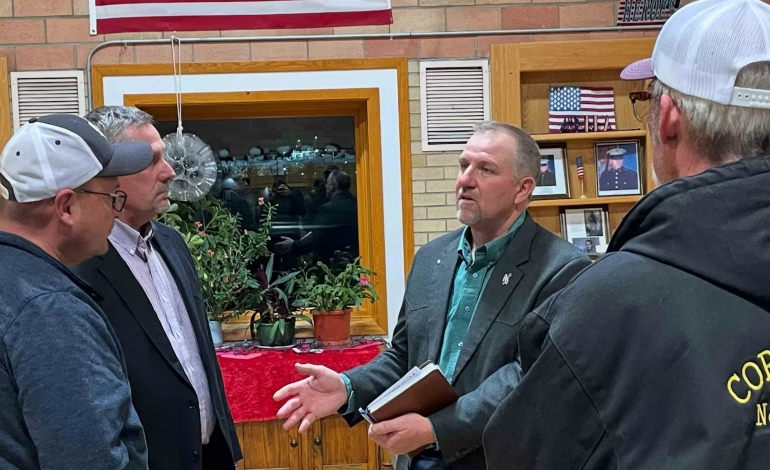
Wyoming’s top Republican lawmakers walked into a packed town hall Monday expecting tough questions – and they got them.
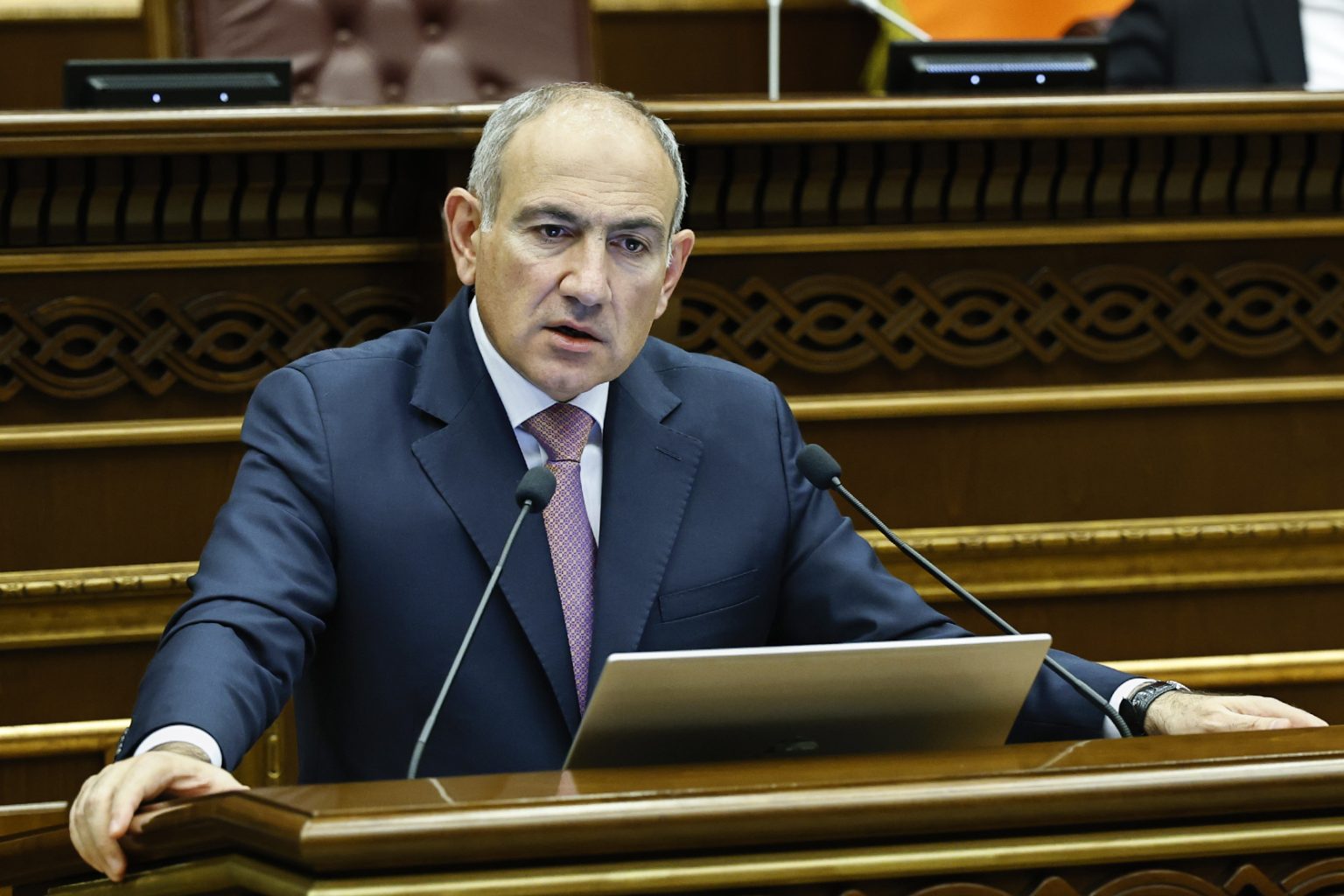
House Speaker Chip Neiman, R-Hulett, and Sen. Cheri Steinmetz, R-Torrington, faced more than 100 Weston County residents during a two-hour meeting that mixed applause with pointed frustration, especially over property tax cuts that locals say are gutting already-tight budgets.
While many attendees praised the lawmakers for their stances on abortion policy and fossil fuels, the mood shifted quickly when talk turned to taxes, school funding and economic development.
For many in the room, the biggest issue was the ripple effect of recent property tax cuts approved by the Legislature.
“I would say 80 to 90% of the people I talked to wonder why we passed the property tax bill and cut our local district budgets,” said Rick Wehri, a rancher and board member of the Weston County fire protection district. “Our fire district got cut by 25%, and other districts got cut worse.”
Wehri, a firefighter, didn’t mince words.
“We have no way to raise more money. It was the Legislature, not local people, that told us we were taking a budget cut,” he said. “We still have to fight fire, we still have to buy tires – and now we have less money for everything.”
Neiman defended the cuts, saying they were meant to offer quick relief to homeowners after property values in Weston and Crook counties jumped 44% and 76%, respectively, over five years.
“I got completely tired of people saying, ‘Did I just get 76% better roads? Did I get 76% better schools?'” Neiman said. “And inflation didn’t go up 44%.”
Wehri fired back with his own math.
“Tires in 2019 were $150. Now they’re $300,” he said. “We have less money now and everything’s twice as much. We’re losing ground.”
Both lawmakers said they supported “backfill” provisions to help counties hardest hit by the cuts, but those measures didn’t survive the 2025 session. Wehri said hearing about backfill now felt hollow, especially with no promise to revive it during the upcoming budget session.
The criticism didn’t stop there.
Neiman and Steinmetz also fielded pushback over a proposal advancing through the Select Committee on School Finance Recalibration that would require all school districts to join the state’s health insurance plan.
Neiman said the current system wastes money, pointing to roughly $53 million spent on insurance for employees who don’t use district plans.
“I don’t think we should be buying insurance for somebody that’s not going to take it,” he said.
But Joseph Samuelson, principal of Upton High School, said the mandate ignores on-the-ground realities in rural Wyoming.
“Districts already have the option to join the state plan, and almost none do,” Samuelson said. “That should tell you something.”
He warned the proposal chips away at local control and flexibility.
“Each district is different,” he said. “This is taking control out of local school boards – the people we elect and hold accountable.”
Neiman countered with one number: $1.85 billion.
“That’s what we’ll spend on K-12 education next year if this passes,” he said. “The most we’ve ever spent in Wyoming’s history – and it’s coming from the ‘conservatives.'”
Economic development sparked another round of tension, particularly over efforts to dismantle the Wyoming Business Council.
Marty Hartman of Upton compared the move to “shooting a hunting dog instead of rehabilitating it,” arguing the agency has been vital for rural communities.
She read a statement from Upton Mayor Nick Trandahl crediting the Business Council for helping land a major rare-earth minerals project in Weston County – a project he said never would have happened without the agency’s support.
Newcastle Mayor Tyrel Owens echoed that support, saying the council is helping the city with economic development.
Neiman remained unconvinced, arguing the agency spent tens of millions of dollars to create just 40 jobs last year and accusing it of fraud, though he offered no specific examples.
“You’ve got to tear the thing down and start over,” he said.
Hanging over the meeting was an upcoming ballot initiative that would slash property taxes statewide by 50%.
For firefighters like Wehri, the idea is alarming.
“People still want the fire truck to show up. People still want roads plowed,” he said. “How are we going to survive with a 50% cut?”
Steinmetz stopped short of endorsing or opposing the initiative, but urged voters to fully understand the consequences.
“It’s important that people know exactly what they’re doing before they go to the ballot box,” she said. “I would never tell anyone how to vote – just make sure it’s an informed choice.”
If Monday night was any indication, that choice – and the debate behind it – is only getting louder.

The latest news in your social feeds
Subscribe to our social media platforms to stay tuned