



If there’s a running theme in the energy bills headed to this year’s Legislature, it’s simple: give communities and voters more control over the wave of projects crashing into the state, Oil City News reports.
From wind and mines to proposed nuclear manufacturing and hydrogen plants, Wyoming has seen fights break out in meeting halls, at kitchen tables and in county offices. Neighbors are debating jobs and taxes against safety, quality of life and long-term cultural change – and a batch of bills now on the table tries to hand some of that decision-making power back to locals.
One headline-grabbing measure would move a huge decision from politicians to the ballot box. House Joint Resolution 3 would put a constitutional amendment before Wyoming voters in November that – in plain terms – would require an affirmative public vote before any high-level radioactive waste or spent nuclear fuel could be stored in the state.
The resolution has 13 sponsors, all tied to the Wyoming Freedom Caucus, reflecting the sharp political divide around nuclear development. Radiant Industries, which had proposed building microreactor manufacturing in Natrona County, pulled its plan late last year – a signal of how fierce local opposition can be. Critics argued the proposed site was too close to homes and schools; supporters counter that blocking nuclear projects risks painting Wyoming as unfriendly to big energy dollars.
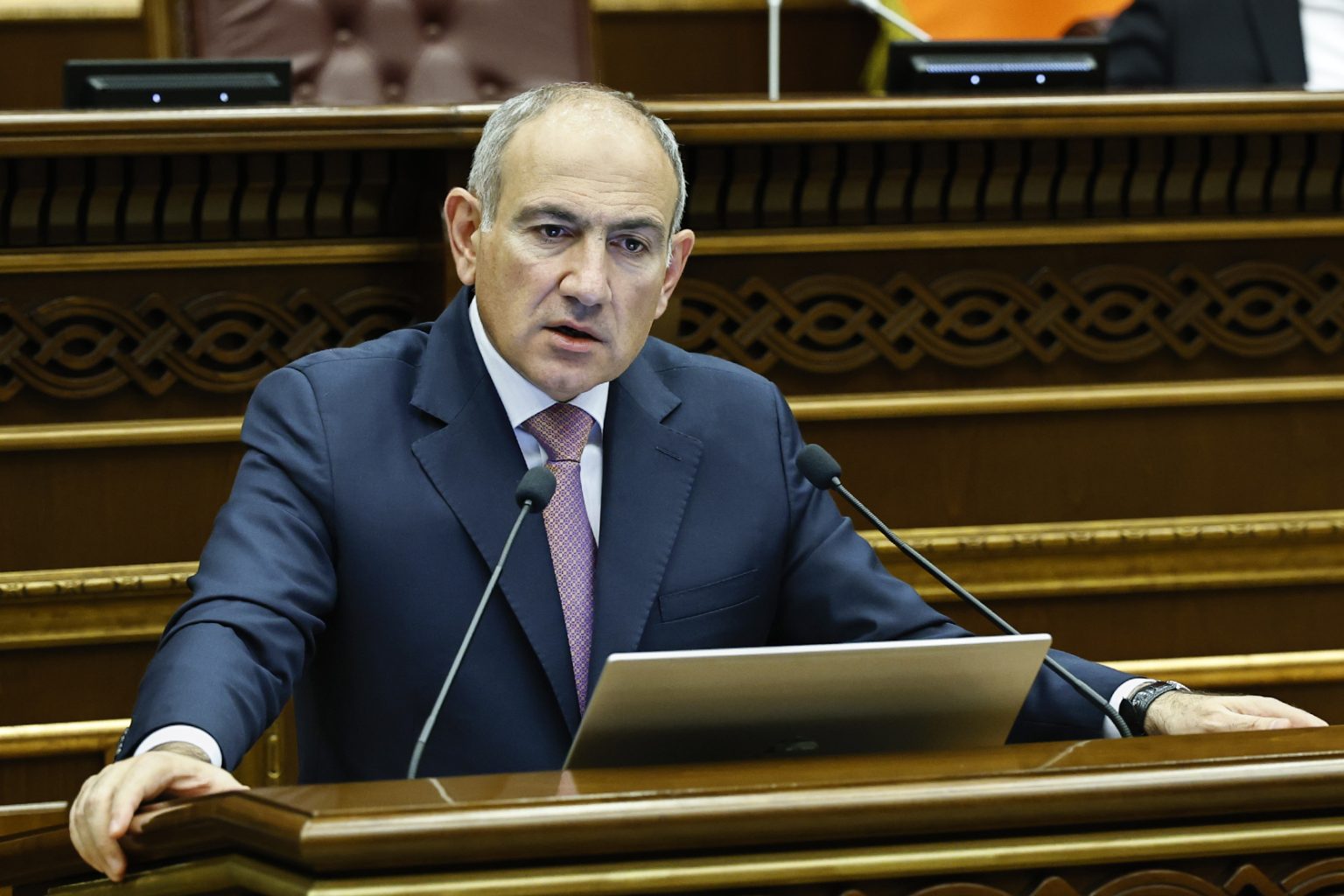
Rep. Bill Allemand, the resolution’s lead sponsor, says a public vote would put the ultimate say where it belongs – with the people. He’s also argued that even “temporary” storage in Wyoming is likely to become permanent in the absence of a federal repository, and that local elected officials hadn’t listened to residents in places like Bar Nunn.
Lawmakers are also pushing two bills to give locals more voice over what happens on state lands – especially the so-called “school sections” that fund public education.
Senate File 40 would let the Wyoming Environmental Quality Council designate certain state parcels as having “significant community value,” opening a process to consider social and environmental values (not just revenue) when leases are approved. Senate File 42 would clarify that counties can implement zoning rules for certain purposes, effectively giving local governments more say over temporary commercial and industrial activities that can be prolonged by state lease extensions.
Casper Sen. Bill Landon, who is sponsoring SF 40, says the bills aren’t meant to strip state authority over school sections but to add a better vetting process and require more outreach to nearby communities. The measures are a direct response to fights like the gravel-pit controversy at the base of Casper Mountain, where homeowners and county officials complained the state approved leases without adequate notice or consideration of local impacts.
On the federal side, lawmakers are scrambling to make up for lost revenue after a provision in last year’s Big Beautiful Bill cut federal mineral royalty rates – a change estimated to shave roughly $50 million a year from Wyoming coffers. To recoup some of that, House Joint Resolution 2 would ask Congress to boost the state’s share of federal mineral royalties from 50% to 87.5%.
Another resolution, Senate Joint Resolution 1, asks Congress to let Wyoming administer federal mineral leasing inside the state, arguing local control would be more efficient and better for long-term stewardship.
Put together, the bills say something clear: state leaders want to keep Wyoming a major energy player, but they also recognize – or are responding to – a public push for more say. Whether that ends up tilting the balance toward local control, protecting potential industry investment, or keeping both in check will be the drama of the coming session.



The latest news in your social feeds
Subscribe to our social media platforms to stay tuned