





A Cheyenne Republican’s plan to sell “unnecessary” state land for $1 an acre – parceling it into 10-acre “homestead clusters” – has set off a fierce debate in Wyoming about affordability, public land and whether this is a clever fix or a dangerous precedent, Oil City News reports.
Rep. Jacob Wasserburger rolled out House Bill 55, the “Wyoming homestead opportunity program,” last week. The idea is straightforward: identify state parcels the government doesn’t need, carve them into 10-acre lots, sell them to Wyoming residents by lottery for a buck an acre, and create new small-family homesteads. Clusters would be big – 3,000 to 10,000 acres with 300 to 1,000 lots – and buyers would be limited to 25 acres each. Businesses and corporations would be barred; owners must have lived in Wyoming at least a year.
“I’m still learning where the potential opportunities are,” Wasserburger told WyoFile, admitting he doesn’t yet know how many acres might qualify. “I don’t have 100% full certainty how much.”
He also floated an eyebrow-raising environmental argument: building out in small homesteads could, he says, be better for wildlife habitat than alternatives like wind farms or data centers.
“I actually think it might help the habitat,” he said, claiming it would protect eagles and bats from turbines.
The bill would give the Office of State Lands and Investments $250,000 to inventory candidate parcels and study which tracts meet the threshold of being “unnecessary for state needs.” It would explicitly exclude land set aside for schools, state institutions, parks, wildlife refuges, historical sites and other public uses.
Funding for construction would come from a mix of local sales tax revenue, philanthropy, loan financing, sale of first-right-of-rental options and a $2.3 million USDA grant, according to the Jackson Hole Community Housing Trust, which helped craft similar local projects. Rental revenue would be used to service debt and cover ongoing operating costs.
But the bill’s political fallout has been loud and immediate. Critics say the proposal is a thinly veiled attempt to open the door to privatizing public lands. “This is a terrible idea,” said Rep. Mike Yin, a Jackson Democrat. Rep. Karlee Provenza, a Laramie Democrat, warned the measure looks like a “foot-in-the-door technique” that could normalize selling public land.
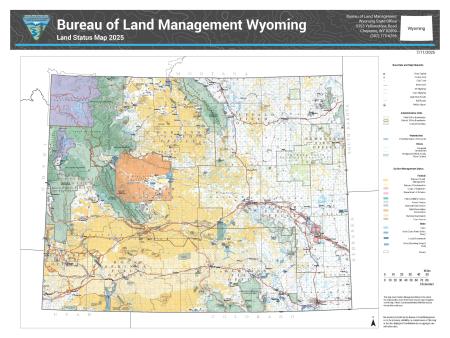
Sen. Mike Gierau, another skeptic, estimated the actual pool of unencumbered state land is tiny. “There may be 5 acres here, 20 acres there,” he said, pointing out most state acreage is leased for grazing, oil-and-gas, or reserved for public institutions. Wyoming technically owns about 3.9 million acres, but Gierau said perhaps only about 16,000 acres might fit Wasserburger’s definition – if that.
Longtime conservationists are split. Phil Hocker, who grew up next to Forest Service housing on Nelson Drive, supports housing for federal employees but is cautious about adding private units on public land. The Jackson Hole Conservation Alliance says private residential use on federal land would set a worrying precedent and wants any units prioritized strictly for public servants.
Wasserburger pushes back against that alarm, framing the bill as pro-family and pro-rural: “We keep talking about affordable housing… the only [current] solution is subsidized apartment complexes,” he said, arguing that giving families room to spread out is a route to the American dream — and, he claims, better social outcomes than dense housing.
The bill also carries a hard-edged rhetorical flourish in its press release. In a statement quoted in the filing, Wasserburger’s office attacked what it called “liberal elites” and promised “families living on affordable acres of land away from big cities.” That language has only ramped up the partisan pushback.
What happens next: the lands office will have to do the legwork to identify eligible parcels, and lawmakers will debate whether the social benefits outweigh the risks. If HB 55 advances, expect amendments – reversionary clauses that return land to state control if public needs change, or tight rules prioritizing federal, state and local employees – to be hotly argued.
The idea taps a real problem (affordable housing in rural places), but it also raises old fears about selling off public assets. Whether Wyoming sees this as a creative, boots-on-the-ground solution or a slippery slope probably depends on whom you ask – and how many acres actually turn out to be up for grabs.



The latest news in your social feeds
Subscribe to our social media platforms to stay tuned