
Carlyle Strikes Deal to Take Most of Lukoil’s Overseas Assets

With input from the New York Times, Reuters, the Financial Times, Bloomberg, and the Wall Street Journal.
US private-equity giant Carlyle has agreed in principle to buy most of Lukoil’s foreign holdings – a forced, high-stakes divestment driven by US sanctions that could reshape parts of the global oil map if it goes through.
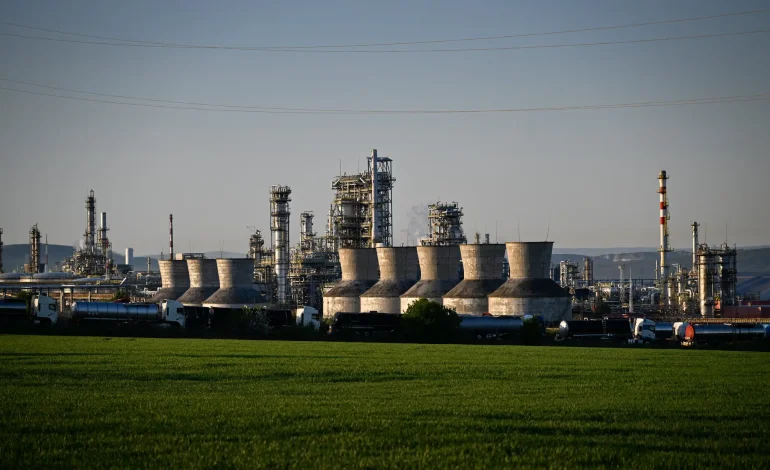
The basics: the deal covers the bulk of Lukoil International’s non-Kazakh assets – everything from stakes in major oil fields to refineries in Eastern Europe and a network of roughly 200 gas stations in the US. Analysts put the foreign asset bundle at about $22 billion, though neither Carlyle nor Lukoil disclosed a sale price. Carlyle said the move is aimed at “ensuring operational continuity, preserving jobs and stabilizing the asset base” while adding its own international operating muscle.
But don’t pop the champagne. This sale is conditional on Carlyle’s due diligence and, crucially, approval by the US Office of Foreign Assets Control (OFAC). Washington has given Lukoil until Feb. 28 to divest the portfolio – and OFAC has been explicit: any proceeds would be blocked and held in a US-jurisdiction account until sanctions are lifted, and the agency wants a say in any onward sale of the businesses. That makes this more than a normal M&A deal; it’s a sanctions-era, geopolitically supervised transfer.
The transaction supposedly excludes Lukoil’s Kazakh interests, including stakes tied up in major projects like Tengiz and the Caspian Pipeline Consortium (CPC). Kazakhstan’s government has already asked US authorities to consider buying Lukoil’s Kazakh stakes itself. In short: Kazakh assets are off the table for Carlyle.
If completed, the sale would effectively mark the end of Lukoil’s push to be a global oil champion – at least for now. Lukoil International’s 2024 numbers showed about $22 billion in equity (again, that includes Kazakh holdings), and the overseas portfolio spans Europe, the Middle East, Africa, Central Asia and Mexico – even a controlling interest in Iraq’s West Qurna 2 oilfield and refineries in Bulgaria and Romania. Those assets aren’t small: they’re often critical pieces of local energy infrastructure and employ lots of people, which is why national governments and local stakeholders are watching closely.
The sale comes after a rocky string of prevented deals: earlier proposed transactions with Swiss trader Gunvor and a share swap arranged by Xtellus were blocked by US authorities. That won’t make life easier for Carlyle: any buyer must now navigate OFAC’s conditions, local regulators and geopolitical sensitivities in each country where these assets sit. The Kremlin has called the matter a corporate issue and emphasized protecting Lukoil’s interests, but Moscow’s room to maneuver is limited by the sanctions regime.
Reports say at least a dozen suitors kicked the tires on parts of Lukoil’s foreign empire – from Exxon and Chevron to Gulf and Abu Dhabi players. Chevron has been in talks over West Qurna 2 separately, and Kazakhstan also wants a shot at certain local holdings. Carlyle, which manages hundreds of billions in assets and has a sizeable energy portfolio, looks like a pragmatic choice: private equity firms often hold such assets for a handful of years before selling them on.
Even assuming OFAC signs off, the practical challenges are substantial. OFAC wants sale proceeds blocked, wants oversight of future buyers, and may attach strings about continued operations or personnel. Local governments might demand protections for jobs and energy supply. And for Carlyle, this is a politically sensitive bet: ramping up operations in countries that have been nervous about Russian exposure, while managing reputational and regulatory risk in the US and Europe.
This is a deal born of geopolitical pressure, not normal market ballet. Carlyle’s pitch – keep the lights on, stabilize operations, avoid shocks to local economies – is sensible. But the sale will only be tidy if regulators, politicians and local stakeholders all buy into the same playbook. If they don’t, this could be a long, bumpy transition rather than a clean handoff.


The latest news in your social feeds
Subscribe to our social media platforms to stay tuned