




With input from CNN, Bloomberg, CBS News, Business Insider, and Reuters.
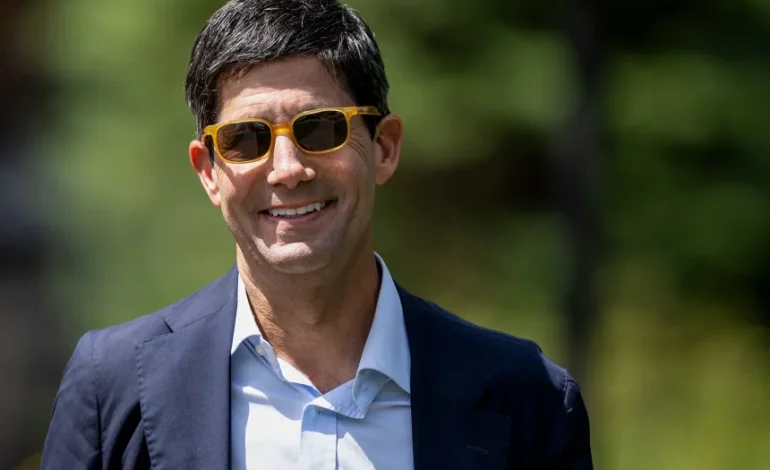
President Trump has picked Kevin Warsh to lead the Federal Reserve – and markets, politicians and economists are all asking the same thing: is this the inflation hawk from the crisis years, or the reinvention who’s lately been soft on rates?
Back in June 2008, with oil soaring and inflation already above the Fed’s 2% target, Warsh was loud and clear: inflation was the real threat. He told colleagues inflation risks “continue to predominate as the greater risk to the economy.” Months later, as the financial system unraveled and unemployment surged toward double digits, those warnings look, at best, oddly timed. In April 2009 he was still saying he was “more worried about upside risks to inflation than downside risks.”
Fast-forward to the nomination: Trump presented Warsh as a safe, experienced pick – a former Fed governor with crisis cred – but also someone who now talks up growth, productivity gains and the case for lower rates. That rhetorical flip has traders nervy and headlines split between “hawk” and “dove.”
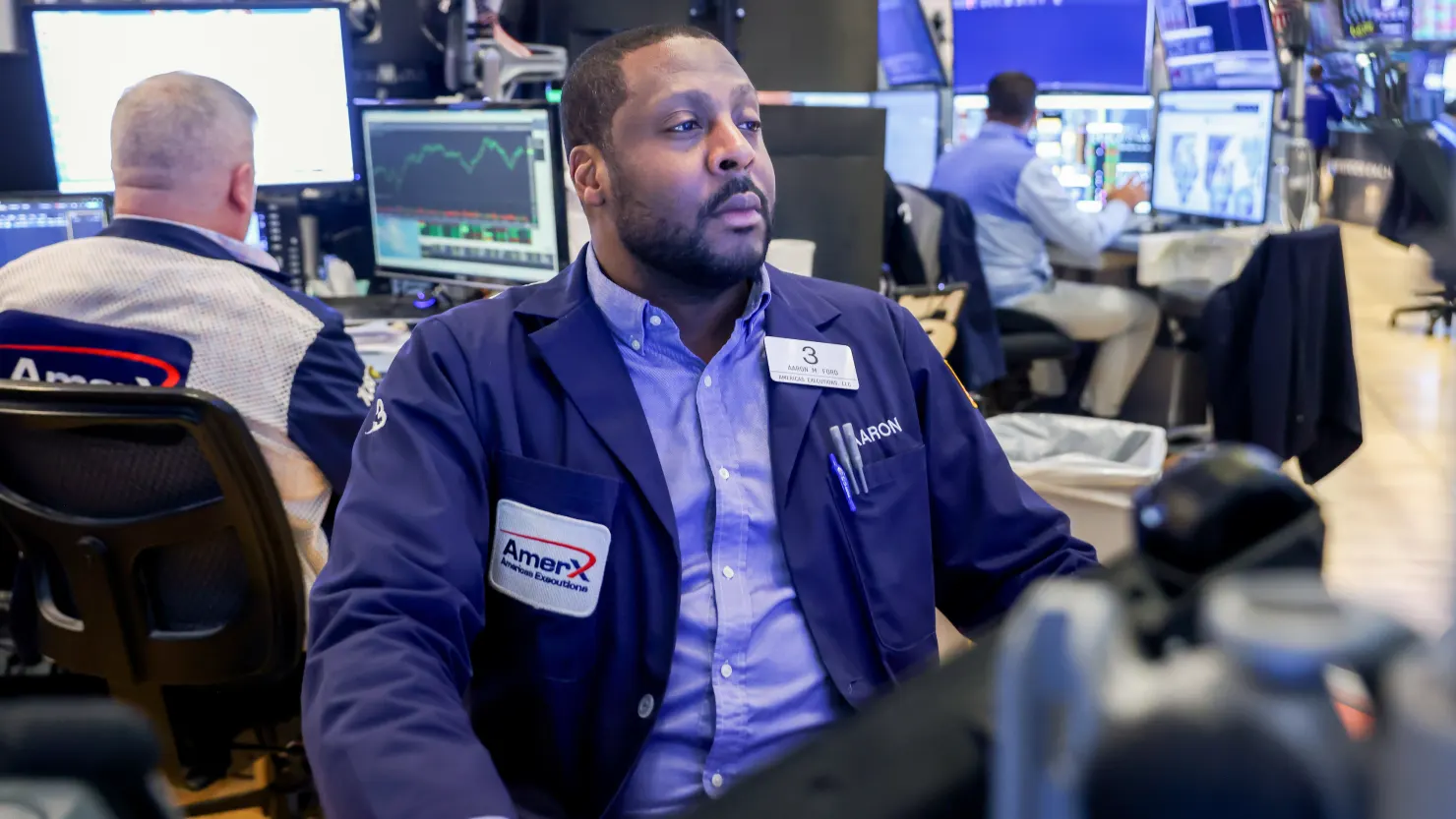
Markets reacted fast. The dollar strengthened, stocks wobbled, and gold and other precious metals plunged after the pick – a classic signal that investors expect less inflation risk (or at least a Fed less likely to lean hard into easy money).
J.P. Morgan’s take – and a possible middle path – is telling: their economists figure Warsh may campaign for rate cuts this year, but they suspect his views could drift back toward hawkishness over time as data and politics shift. In short: he might talk dovish now, but revert if inflation reappears.
Because the Fed chair is the referee for interest rates, mortgages, credit costs and, by extension, everyday affordability. If Warsh leads with the 2008-era playbook (fight inflation aggressively), mortgage rates could stay higher. If he leans into the recent line – arguing for cuts on growth and productivity grounds – borrowers might breathe easier, at least temporarily. Either way, his record makes senators and markets pay attention.
Warsh still needs Senate confirmation, and his nomination lands in a tense, partisan climate – including fresh scrutiny of Fed independence. Expect sharp hearings, plenty of clips from 2008–09, and a lot of questions about whether this Warsh is the same as the one who fretted about inflation while the jobless rate spiked.
You don’t get to be a central banker without evolving your views, and Warsh has clearly shifted his public pitch. But words in a campaign or a confirmation hearing and votes in crisis are different things. The real answer – which Warsh we’ll get – won’t be clear until he’s in the chair and the economy throws its first real test.



The latest news in your social feeds
Subscribe to our social media platforms to stay tuned