




With input from AP, Axios, and Bloomberg.
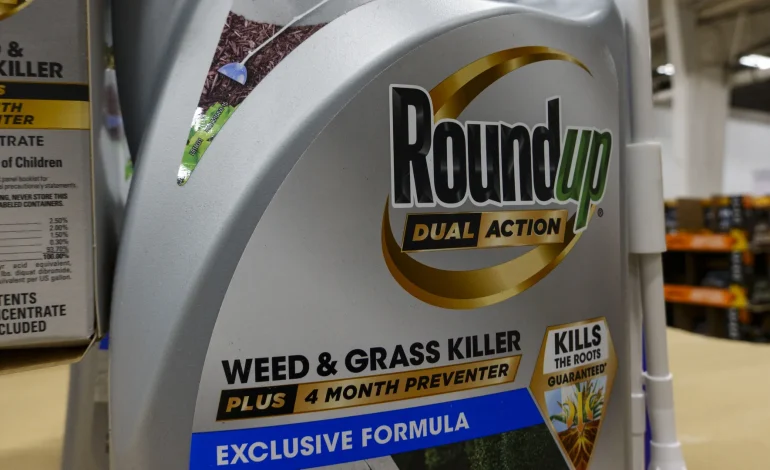
Bayer AG shook the legal tree on Tuesday, proposing a roughly $7.25 billion class-action settlement to resolve thousands of US cancer lawsuits tied to its weedkiller Roundup. The plan would spread payouts over 21 years, covering claims already filed and those that might be brought in the future — a long, structured exit from a litigation nightmare that’s dogged the company for years. (Reporting from Bloomberg and Reuters informed this story.)
Big-picture: Bayer insists glyphosate, Roundup’s key ingredient, isn’t proven to cause non-Hodgkin lymphoma. Regulators differ; the US EPA says glyphosate is unlikely to be carcinogenic when used as directed. Still, tens of thousands of plaintiffs say otherwise, and jury verdicts and settlements have already cost Bayer dearly.
Here’s what the deal looks like on paper. Bayer would fund a special pot of money with annual contributions for up to 21 years, and individual awards would vary a lot depending on exposure, age at diagnosis and disease severity. A younger agricultural worker with aggressive disease might average around $165,000, while a casual residential user diagnosed late in life might get roughly $20,000 or less. That range has already sparked pushback. Some plaintiffs’ lawyers say the amounts are too stingy and expect many clients to opt out. If too many opt out, Bayer can walk away from the deal.
Why now? Timing matters. The US Supreme Court of the United States is set to hear oral arguments in April over whether federal pesticide approvals should preempt state failure-to-warn suits — essentially, whether EPA sign-off shields makers from state jury verdicts. That case isn’t covered by the settlement, but the deal is a way for Bayer to limit downside: even if the high court rules against the company, this fund would guarantee payments to many claimants; if the court sides with Bayer, the settlement still hedges the company against future uncertainty.
Bayer, which bought Monsanto in 2018 and inherited the Roundup litigation, has already pulled glyphosate from US consumer lawn products. It keeps selling agricultural glyphosate tied to GMO seed systems. CEO Bill Anderson framed the proposal as a path to “closure,” saying years of legal uncertainty threatened the business. The market liked the move: Bayer shares jumped about 6% on the news.
Still, the settlement carries caveats. Dozens of rulings and a patchwork of prior deals mean the math is messy. About 200,000 Roundup claims have circulated in various courts. Some high-profile jury awards favored plaintiffs; others favored Bayer. The company has already resolved many claims through earlier agreements, and the new proposal would aim to sweep up most of what remains — but only if enough plaintiffs sign on.
Politics and lobbying hover in the background. Bayer has argued federal preemption should block state lawsuits; some states have responded by passing laws that shield pesticide makers under certain conditions. And the federal government’s posture has shifted at times: recent administrations have taken different public positions on whether EPA sign-off bars state liability claims.
For plaintiffs, the math is moral as well as monetary. A payout isn’t the same as vindication. Attorneys for some victims called the plan inadequate, arguing that meaningful justice would require higher awards and broader accountability. On the other side, investors and corporate lawyers see the proposal as a pragmatic compromise — a way to cap exposure and keep Roundup on agricultural shelves.
What happens next? The settlement was filed in state court in Missouri, US and still needs judicial sign-off. The court, objectors, and individual claimants will all have a say. If the deal clears, it won’t erase the broader legal and regulatory fights awaiting Bayer: the Supreme Court case, ongoing scientific debate over glyphosate, and political pressure in statehouses.
Short version: Bayer just offered a big check to quiet one front of a long war. It buys time and certainty — and maybe peace of mind for investors — but it doesn’t erase the scientific controversy or the human stories behind the lawsuits. The next moves, from the court in Missouri to the high court in Washington, will determine whether this settlement is the last chapter or just another costly pause.


The latest news in your social feeds
Subscribe to our social media platforms to stay tuned