





A proposal aimed at protecting Wyoming residents from foreign governments seeking to penalize protected speech advanced in the House this month, though lawmakers signaled the complex issue will likely be revisited during interim study. House Bill 0070, the “Wyoming GRANITE Act,” would create civil causes of action allowing residents to seek relief against foreign states attempting to enforce censorship laws that conflict with constitutional protections.
GRANITE stands for “Guaranteeing Rights Against Novel International Tyranny and Extortion.” The bill establishes jurisdiction in Wyoming courts, outlines remedies and civil penalties, and limits enforcement of certain foreign judgments within the state.
Supporters point to recent international actions—including efforts by UK officials to investigate or extradite Americans over speech protected by the First Amendment but deemed unlawful abroad. Rep. Daniel Singh, R-Cheyenne, cited Brazil’s Supreme Court directing U.S. tech companies to censor accounts and disclose user data in response to foreign legal standards.
“These foreign entities are using their authority as a sovereign to impose on American companies and through that—American users, Wyoming users—their restrictions on free speech,” Singh told the House Judiciary Committee.
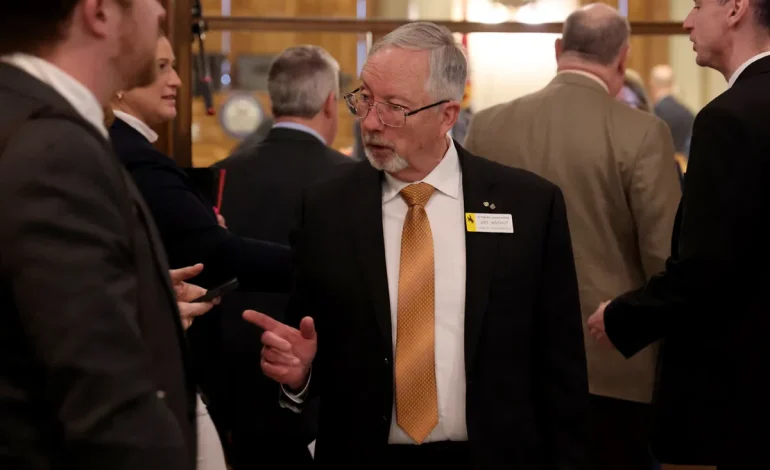
But committee members acknowledged the measure’s complexity. Chair Rep. Art Washut, R-Casper, said the bill raises questions involving federal law, including the Foreign Sovereign Immunities Act. “If I vote yes on this bill today and someone asks what it accomplishes, I couldn’t answer that question,” he said.
Deputy Secretary of State Colin Crossman, testifying personally, described the bill as having both “sword” and “shield” components—creating a cause of action while prohibiting state cooperation in enforcing foreign judgments inconsistent with constitutional principles. “It’s effectively an anti-commandeering approach,” he said.
Business groups signaled support. Dale Steenbergen of the Greater Cheyenne Chamber of Commerce said the measure could entice technology firms seeking legal certainty. “Business supports this,” he said.
The bill passed introduction 57-5. Committee members indicated substantial amendments would be needed and suggested referring the issue for interim study rather than advancing during the budget session. If revisited later, Wyoming would join states seeking to counteract what supporters describe as foreign overreach into protected speech.


The latest news in your social feeds
Subscribe to our social media platforms to stay tuned