


Les Wexner Set for Closed-Door Deposition by House Oversight Committee over Ties to Jeffrey Epstein

AP, FOX News, and the Guardian contributed to this report.
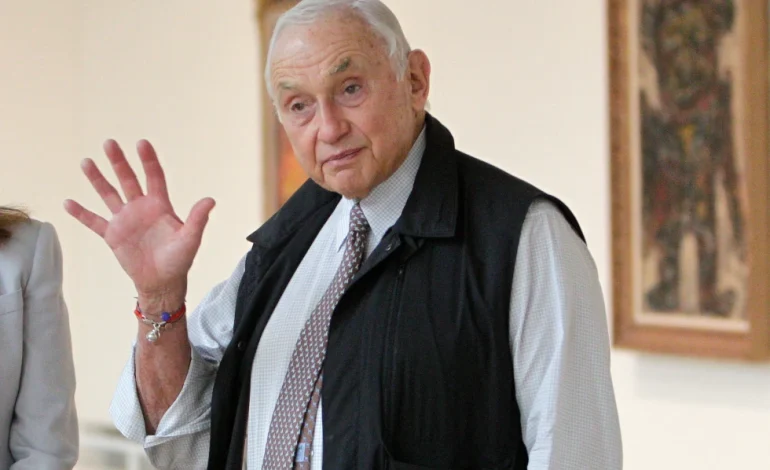
Les Wexner, the 88-year-old retail mogul behind Victoria’s Secret, heads into a tight, closed-door deposition in Ohio on Wednesday as lawmakers chase new leads from the latest trove of Justice Department documents about Jeffrey Epstein. He’s been subpoenaed by the House Oversight panel and says he’ll cooperate — but this isn’t Wexner’s first rodeo with scrutiny over his decades-long friendship with Epstein.
The fresh DOJ files dropped a lot of new notes and emails into public view, and Wexner’s name shows up enough to make anyone pay attention. Victims’ lawyers point to passages in those records and to past allegations — including claims by Virginia Giuffre — that raise questions Wexner will have to answer about what he knew, when he knew it, and how money and real estate moved between their circles.
Wexner long ago said he severed ties in 2007, that Epstein stole from him, and that he had no idea about the criminal conduct that later came to light. He’s denied meeting Giuffre and has never been charged. Still, the files contain awkward details: Epstein’s drafts and notes, references to shared properties, and a power-of-attorney Wexner gave Epstein in the early 1990s that handed Epstein sweeping control over parts of Wexner’s finances.
Survivors and activists see the deposition as overdue. They point to allegations that surfaced about abuse in and around the Wexner orbit — including accounts linked to Epstein’s New Albany properties — and to the role those connections may have played in giving Epstein access and influence. One survivor’s complaint in the documents references an assault at a house on Wexner-owned land; Wexner’s team says he never heard of the claim until years later.
This hearing won’t be public theater. Lawmakers plan to question Wexner behind closed doors, but the results matter either way. Committee members can follow up with subpoenas, public hearings or referrals if they believe testimony contradicts the new documentary record. And any awkward answers handed to investigators will feed a broader reputational fight — at Ohio State, where Wexner’s name graces buildings and big donations, and in the small community of New Albany where his estate looms large.
There are two parallel tracks here. One is criminal — the FBI and DOJ have long investigated Epstein’s network — and the other is institutional and reputational: universities, charities and boards re-assessing ties to patrons whose associates are accused of horrific crimes. Ohio State faces pressure to revisit naming decisions and past governance, while lawyers for survivors push for more disclosures and accountability.
Expect tough, pointed questions: Why give Epstein a power of attorney? When exactly did you cut him off? What did you know about payments, property transfers, or the people Epstein brought into your orbit? Wexner’s team will stress cooperation, past restitutions and his claim that Epstein betrayed him financially. How convincing that story sounds to committee Democrats — and whether Republicans on the panel press any different angles — will shape what comes next.
Whatever the outcome of Wednesday’s session, one thing’s clear: the Epstein files are still producing new headaches for powerful figures who once moved in the same circles. This deposition is another chapter in a long, messy public accounting. For Wexner, it’s a moment to answer questions he’s dodged for years; for victims, it’s another chance to press for fuller truth and, maybe, some measure of closure.

The latest news in your social feeds
Subscribe to our social media platforms to stay tuned