


OPINION: Love in time of tariffs – why Valentine’s Day nostalgia collides with new economics

Scroll through social media this February and you could be forgiven for thinking the calendar has flipped back to 2016. The same filters, the same poses, the same curated optimism. But try to recreate a 2016 Valentine’s Day in real life and the illusion breaks at the checkout.
A full, textbook celebration (chocolates, diamond earrings, roses and dinner for two) now costs $774.39. Ten years ago it was $512.03. That 51 percent jump is not just inflation; it is a quiet lesson in how purchasing power has eroded in a decade that promised digital abundance but delivered a much tighter real economy.
“People may be recreating 2016 aesthetics, but not 2016 prices. Nostalgia might be trending online, but from a finance perspective, it’s clear romance has got a lot more expensive,” says Sam Bourgi, senior analyst at InvestorsObserver.
What’s striking is not how much has changed culturally, the classic gifts are almost identical, but how much the structure behind them has. Champagne has disappeared from the top five, replaced by a greeting card. Not because sparkling wine stopped symbolising celebration, but because the numbers stopped working.
The biggest price shock comes from the most predictable place: chocolates. A box that cost $15.11 in 2016 now averages $50.70, a 236 percent surge. Dinner for two has followed the same trajectory, climbing from $80.46 to $209. These are not luxury outliers; they are the ritual core of a middle-class holiday.
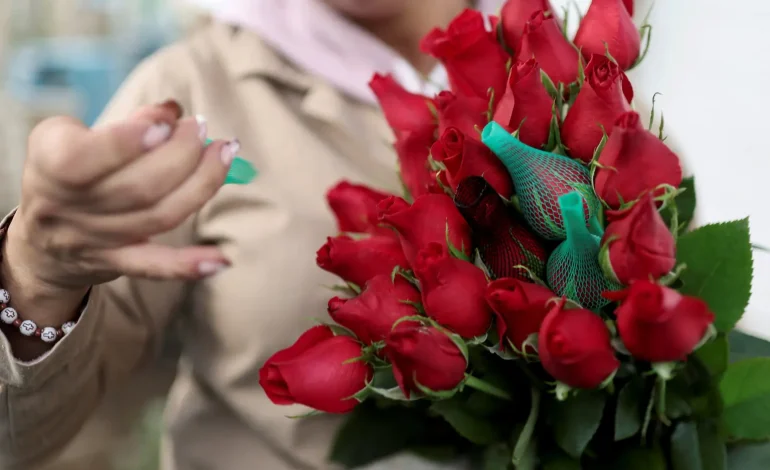
Behind the roses and restaurant bills sits a global supply chain that tells the real story of 2026. Roughly 65,000 tons of Colombian flowers entered the United States in the weeks leading up to Valentine’s Day. The country supplies about 80 percent of the US market, and the holiday typically generates a fifth of its annual sales. Yet the growers who make the romance possible are operating under a different set of numbers: a 10 percent US tariff, a peso that has strengthened nearly 12 percent against the dollar and a 23 percent increase in the minimum wage.
That pressure travels all the way down the chain. When margins tighten in Colombia, prices rise in American cities. When interest rates push up the cost of dining out, the Valentine’s table becomes a luxury. Even the calendar plays a role, a Saturday holiday reduces office flower deliveries, cutting into the volume that normally stabilises the business.
The result is a holiday that looks familiar but functions differently. The symbolism remains intact; the affordability does not.
The political economy behind it is equally revealing. Tariffs designed to reshape trade flows end up embedded in the price of a rose. Wage growth in one country becomes a higher bill in another. A stronger currency thousands of miles away turns into a smaller bouquet on a dinner table in Chicago or Dallas.
And yet the demand persists. Workers in Colombian greenhouses still talk about the joy of sending something that will become a moment in someone else’s life. Consumers still buy the card, the chocolate and the reservation.
Which brings us back to the nostalgia loop. The reason 2016 feels so present online is not just aesthetic. It was one of the last moments when the pre-pandemic, low-rate, cheap-experience economy still functioned as people remember it. Recreating the look is easy. Recreating the price structure is not.
The Valentine’s index is therefore less about romance than about the shape of the modern economy. It shows how quickly costs can outrun wages, how global trade policy ends up inside local traditions and how middle-class rituals become the clearest indicator of macroeconomic change.
Love hasn’t become more expensive in emotional terms. But materially, it now sits at the intersection of tariffs, currency movements, labour markets and the long tail of post-pandemic pricing.
The selfie says 2016. The receipt says 2026.

The latest news in your social feeds
Subscribe to our social media platforms to stay tuned