




With input from Axios, Politico, and Business Insider.
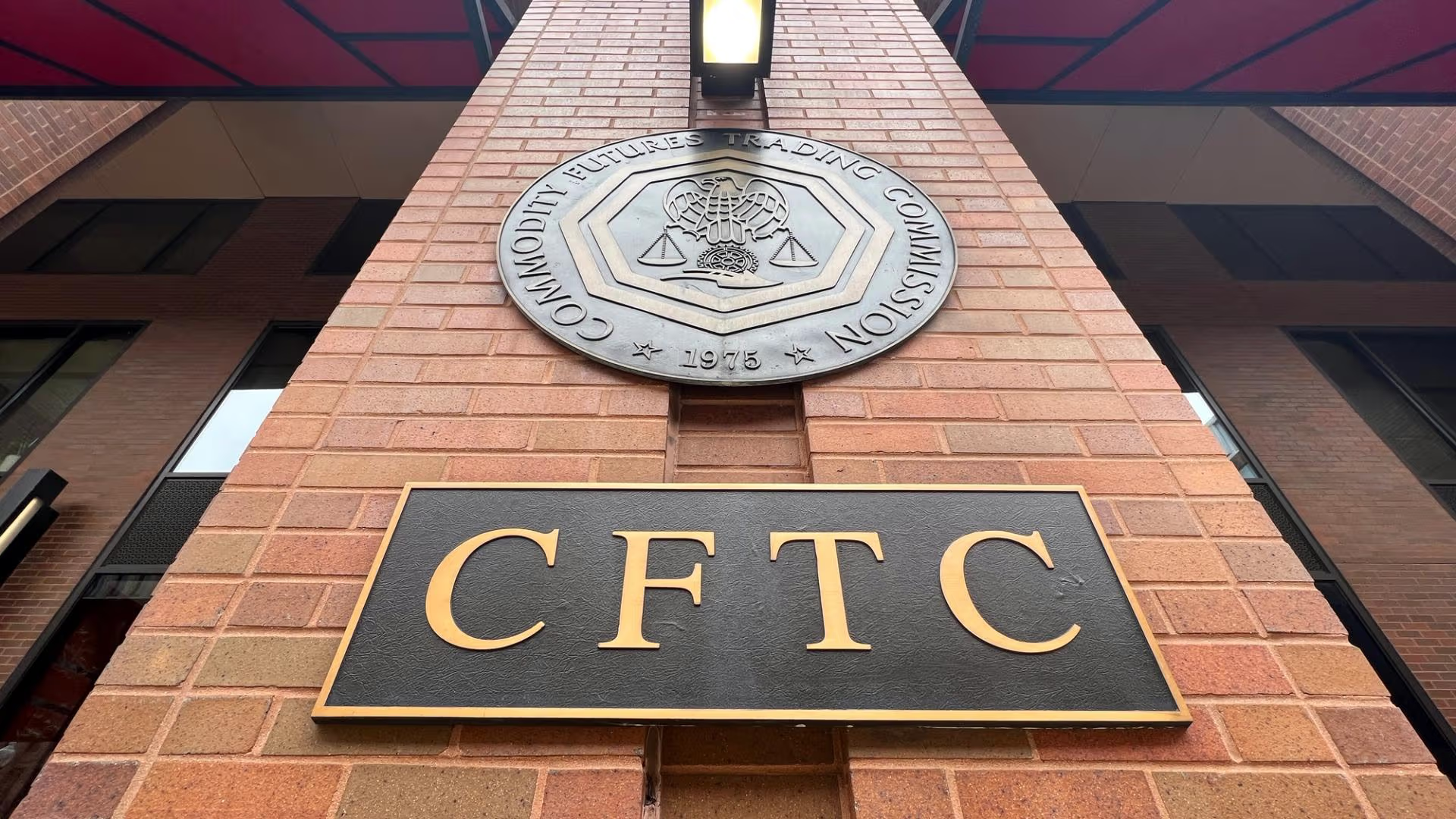
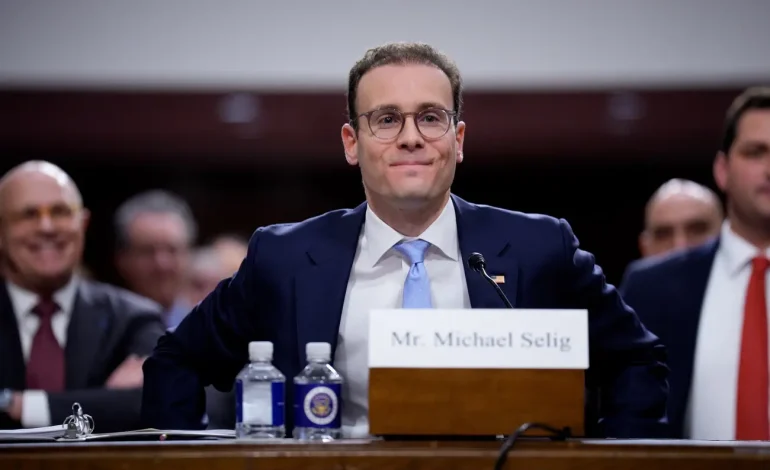
Mike Selig went on offense. The head of the Commodity Futures Trading Commission made it plain: prediction markets aren’t gambling, and the CFTC has “exclusive jurisdiction” to run the show. He’s not whispering this; he’s blasting it across X, court filings and media appearances.
That’s the headline. The messy part comes next.
These markets—platforms like Kalshi and Polymarket where you can trade contracts on everything from elections to the Super Bowl—used to live on the fringe. Now they’re mainstream, and fast. They’ve pulled in retail bettors, Wall Street attention, and big partnerships with media outlets. That growth is exactly what’s triggered a loud, public showdown over who gets to police them.
Selig’s move is simple: federal regulation beats a state-by-state patchwork. His filing argues the CFTC has been overseeing these markets for decades and should be the exclusive regulator. If the courts accept that, states lose a big stick they’ve been using to curb sports-style wagers on prediction platforms.
Utah Gov. Spencer Cox didn’t take kindly to the idea. He called the markets “gambling—pure and simple” and vowed a fight. Senators and governors from gambling-heavy states, and traditional gaming groups, are lining up on the other side. Sen. Catherine Cortez Masto says Congress never gave the CFTC the power to regulate sports betting; former Gov. Chris Christie called the move disrespectful to states’ rights.
The industry, not surprisingly, loves Selig’s stance. The Coalition for Prediction Markets cheered the filing, arguing that a federal rulebook prevents uneven consumer protections and reduces the temptation to move trades offshore. Platforms like Crypto.com have their own skin in the game—state crackdowns threaten a chunk of their business.
On paper, it’s legal jurisdiction. But on the ground it’s about definitions and scope. Some prediction contracts behave like financial derivatives—cleared through exchanges, bought and sold, subject to margin and settlement rules. Others look and feel like straight-up bets: who wins the Super Bowl, how many home runs will be hit, and so on. The markets’ crossover is what makes this so combustible.
The Financial Times flagged the scale: sports-linked trading has been a huge revenue driver for some operators. That helps explain why Selig is pushing back so hard. On Bloomberg’s Odd Lots podcast he argued that many trades go through clearinghouses and are tradable—clauses that, in his view, put them squarely under CFTC authority.
That’s the big question. Critics say the agency is being asked to take on far more than it usually does. Former Chair Timothy Massad warned the CFTC doesn’t have the staff or expertise to police new insider-trading risks and other novel problems these platforms raise. Prediction markets can be tiny rumor mills or massive liquidity engines depending on how products evolve; policing both is a heavy lift.
And then there’s insider trading. Regulators are already talking about drawing new lines—defining when contract trades cross into criminal territory. Selig’s camp says that’s part of the CFTC’s remit. Others say those questions are political and social, and should be settled by Congress, not regulators.
This is hardly a tidy courtroom skirmish. Lawyers on both sides see this ending up with the Supreme Court. If the CFTC wins, state-level limitations on prediction-market sports contracts could wither. If the states win, platforms could face a thicket of local gambling laws—different rules in every jurisdiction, higher compliance costs, and the risk of being shut out of big markets.
Meanwhile, the users don’t much care about the arcane legal debate. They want quick trades, liquid markets, and access to newsy contracts. That friction between demand and regulation is the core tension.
What to watch next
Court filings in the Ninth Circuit and any appeals that follow.
Whether Congress decides to step in. Selig has hinted some social questions are for lawmakers, not regulators—so legislators may get dragged into drafting a new framework.
How aggressively states pursue enforcement while litigation plays out. Some will push hard to make a point.
Whether the CFTC actually writes new rules—especially on insider trading and customer protections.
At stake is more than markets. It’s about how the US sorts financial innovation from gambling, how it protects retail consumers, and who gets to write the rulebook when a new product scales faster than policy. Selig has picked his lane. The states are digging in. The platforms, for now, are cheering on the federal cavalry.
Expect heated court battles, some messy PR, and a policy fight that’ll take years to settle. And until it’s resolved, prediction markets will keep thriving in the gray area between trade and wager—while regulators try to decide what those two words should mean for a very digital, very retail-savvy world.


The latest news in your social feeds
Subscribe to our social media platforms to stay tuned