


Wexner Tells Congress He Was “Conned” by Epstein. Lawmakers Aren’t Buying It.

BBC, Politico, the New York Times, NBC News, and Reuters contributed to this report.
Les Wexner showed up in Ohio this week and said something you don’t hear every day from an 88-year-old retail titan: he was “naive, foolish and gullible” for trusting Jeffrey Epstein — and, he insisted, he was conned. The former L Brands boss read a scripted opening statement for the House Oversight Committee, blamed Epstein for stealing “vast sums” from his family, and denied any knowledge of the sex trafficker’s crimes. He also denied wrongdoing.
Wexner’s appearance came behind closed doors in New Albany, Ohio, where congressional investigators spent roughly six hours pressing the billionaire about a decades-long relationship that helped Epstein build his fortune and his network. The session was subpoena-driven and tightly focused: how did a man who ran one of America’s biggest retail empires end up handing over the keys — literally, power of attorney — to a man who later became notorious for trafficking and abuse?
Wexner said he hired Epstein as a favor at first, then formally put him in charge of personal finances. He claimed he cut him off around 2007 after learning Epstein was an abuser and, he said, discovered the thefts.
“He was a con man,” Wexner told lawmakers, according to his prepared remarks. “While I was conned, I have done nothing wrong and have nothing to hide.”
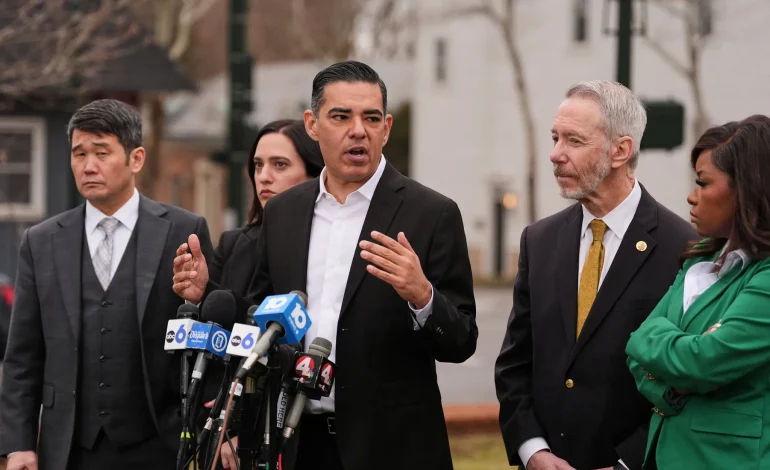
Democrats on the panel left unconvinced. Rep. Robert Garcia called Wexner’s explanations “bogus,” arguing the record shows a deeper, more enabling relationship that fueled Epstein’s rise. Rep. Stephen Lynch said Wexner’s claims of ignorance didn’t square with the level of trust the two men shared. Others, like Rep. Yassamin Ansari, noted a frustrating pattern: the billionaire professes cooperation, then disavows memory of key details.
Congressional staff led much of the questioning after Republicans declined to send members for the in-person deposition; Committee Chair James Comer was absent due to a scheduled surgery. Still, the Democratic contingent used the time to press the point that Wexner’s money and connections mattered — perhaps enormously — to Epstein’s ability to buy property, gain access and build the apparatus that enabled his crimes.
Wexner’s lawyers point to past assurances from federal prosecutors: he was told long ago that he wasn’t a target and had cooperated with investigators. The Justice Department files, however, show his name popping up repeatedly, and that contradiction is what brought him before lawmakers now. Deputy Attorney General Todd Blanche has previously noted Wexner’s frequent appearance in agency materials, fueling lawmakers’ demand for answers.
There were a few small, awkward details: Wexner admitted to visiting Epstein’s private island once — “for a few hours,” he said, with family. He reiterated that he never saw anything criminal and never witnessed abuse. But survivors and their advocates remain skeptical, and the public record has more questions than clean answers.
For Wexner, the testimony was a bid to draw a line under a toxic chapter. For Democrats on the Oversight panel, it was an occasion to press the narrative that Epstein didn’t build his shadow empire alone.
“There was no single person more involved in providing Epstein with the financial support to commit his crimes than Les Wexner,” Garcia said after the session.
Expect the transcript and a video release soon. Whether those materials move the needle for prosecutors — or finally satisfy survivors — is an open question. But one thing is clear: saying “I was conned” doesn’t erase two decades of papers, property deals and painful testimony. Congress wanted specifics. Wexner offered contrition and denials. The country will have to decide which carries more weight.


The latest news in your social feeds
Subscribe to our social media platforms to stay tuned