






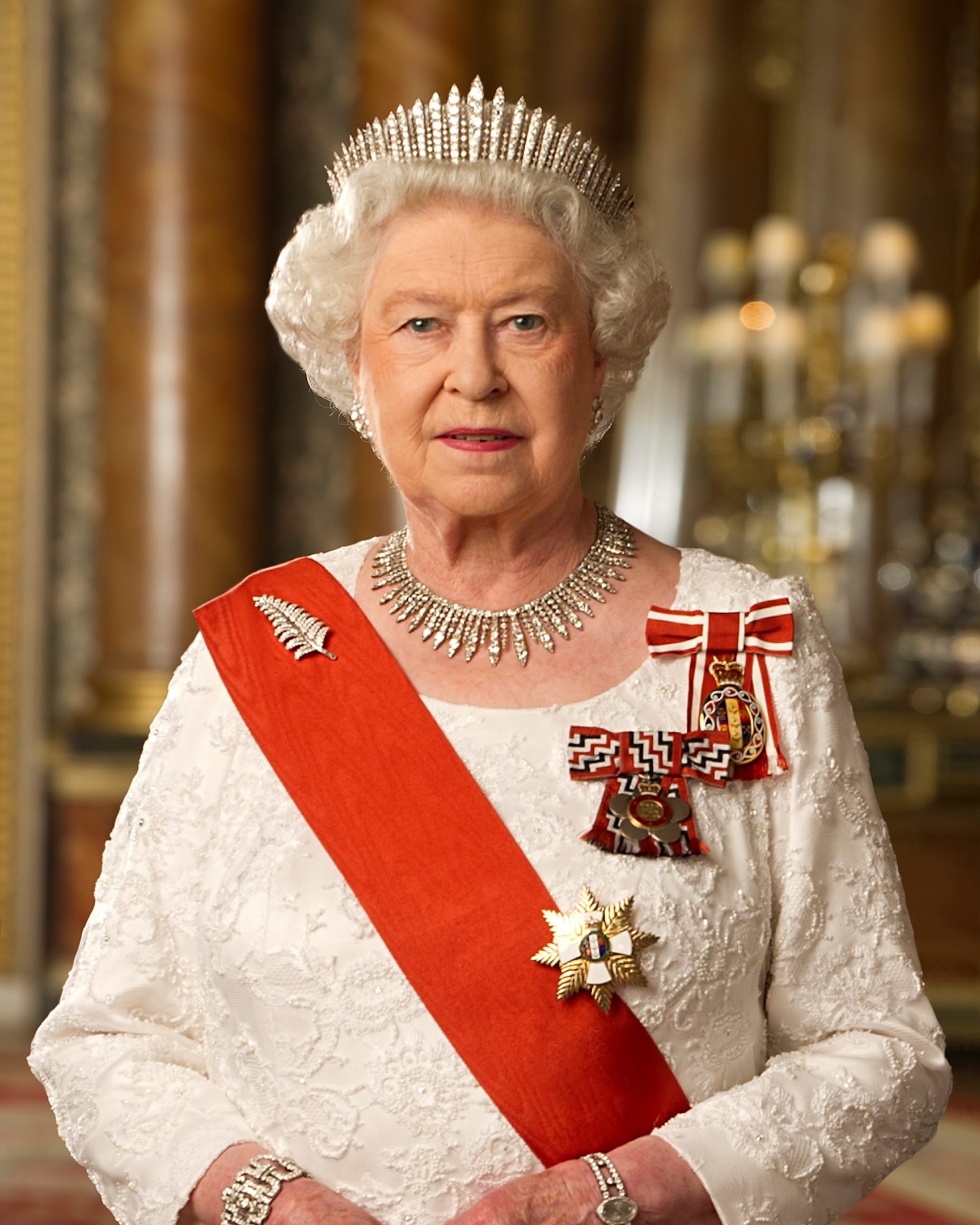
The brief detention of Andrew Mountbatten-Windsor has pushed the Epstein scandal back into the centre of the international accountability debate, not because it resolves any of the outstanding allegations, but because of what it symbolises. A figure once embedded at the heart of the British establishment being questioned by police has reinforced a message that campaigners and investigators have been repeating for years: the story was never only about one financier.
Police in the United Kingdom confirmed that a man in his sixties had been arrested on suspicion of misconduct in public office as part of a newly opened investigation. Authorities did not name the individual, but the timing and context left little ambiguity. The former royal, who has consistently denied wrongdoing, was released later the same day.
For many observers, the significance lies less in the duration of the detention than in the legal threshold it represents. Reem Alsalem, the United Nations special rapporteur on violence against women and girls, framed it in institutional rather than personal terms, saying the move sends “an important message that nobody is above the law, irrespective of your wealth, your connections – even if you’re royalty”.
Her second point goes further and shifts the focus from individuals to systems.
“At the same time, it’s important that we examine the involvement of anyone that has enabled, facilitated, the crimes committed by the Epstein criminal enterprise,” she said, underlining the call for independent investigations into the wider network that surrounded the financier.
That network has come back under scrutiny following the publication of millions of pages of US government documents over the past two months. The material — emails, text messages, photographs and contact records — does not in itself constitute criminal findings, but it has redrawn the map of Epstein’s relationships with political, financial and social elites across multiple countries. Some of the exchanges referenced in those files suggest that Mountbatten-Windsor shared official information with Epstein during his time as a UK trade envoy.
The political reaction in Washington shows how the issue is moving from disclosure to pressure for prosecutorial action. Congressman Thomas Massie, who helped force the release of the documents through legislation, responded to the arrest by saying:
“Now we need JUSTICE in the United States,” calling directly on the FBI and the Justice Department to pursue cases against those involved.
What distinguishes the current phase from earlier waves of the scandal is the shift in geography of consequences. In the United Kingdom, the files have already contributed to arrests, resignations and formal investigations. In the United States — where Epstein built his core operation, reached his controversial 2008 plea deal and later faced federal charges — the institutional response has so far been more cautious, with the Justice Department maintaining that it has not identified criminal conduct beyond the cases already prosecuted.
The imagery emerging from the document release has also intensified public pressure. One photograph widely cited in recent reporting appears to show Mountbatten-Windsor crouched over a female victim lying on the floor. As with other material in the archive, its legal weight will depend on how investigators assess its context and admissibility. Its political impact, however, has already been felt.


The latest news in your social feeds
Subscribe to our social media platforms to stay tuned