




Hormuz on the Line — How a US–Iran Flare-up Could Slam Oil Prices


CNBC, CNN, the Wall Street Journal contributed to this report.
A possible US strike on Iran has traders nervy for a reason: if Tehran can make the Strait of Hormuz unsafe for tankers, oil could spike hard and fast.
More than 14 million barrels per day flowed through that narrow choke point in 2025 — roughly a third of global seaborne oil exports, according to data from Kpler. Close the tap there, even temporarily, and markets would scramble.
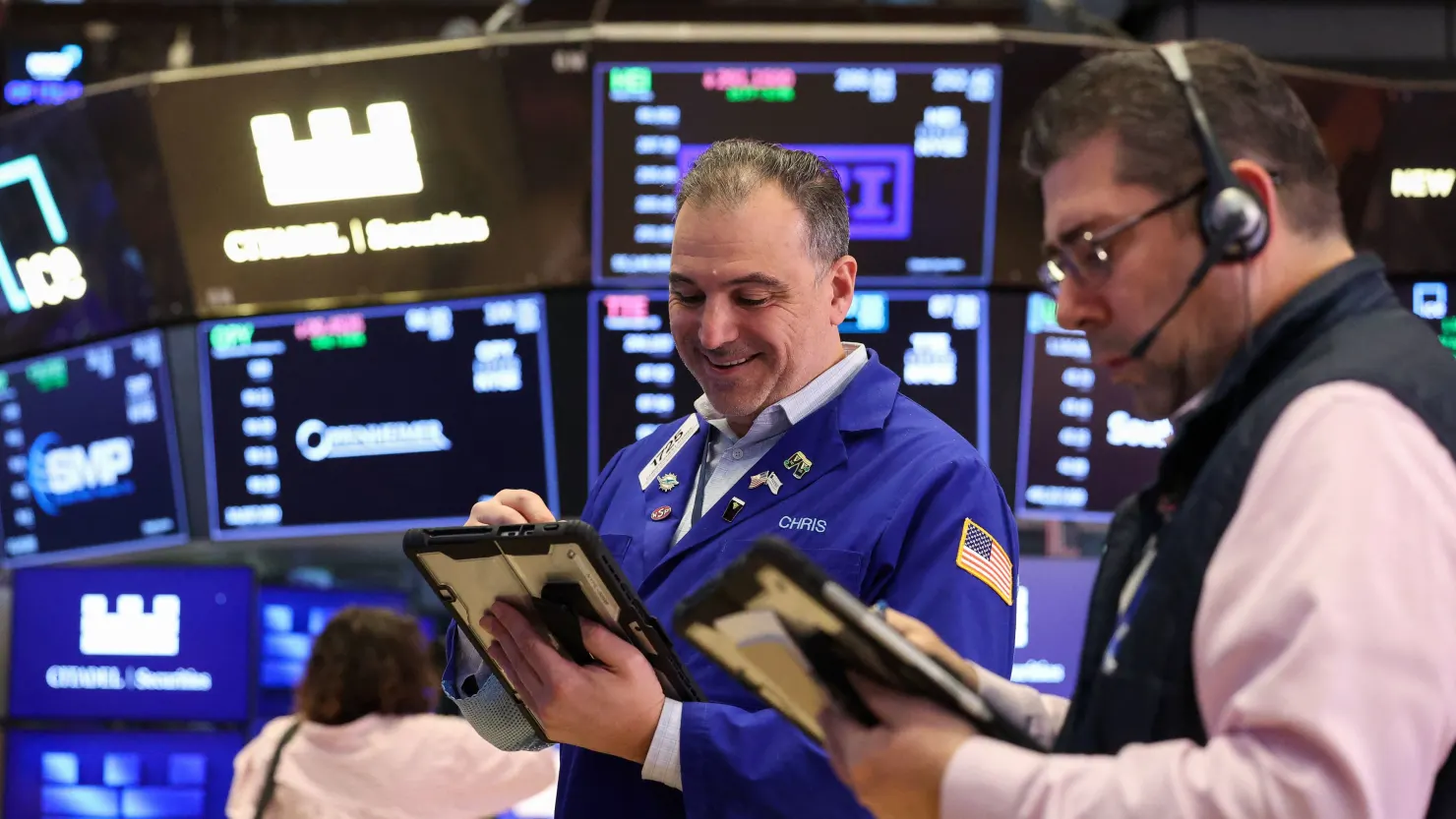
“This Iranian situation just scares the daylights out of this market,” said John Kilduff, summing up the mood on trading floors.
Prices have already rallied as military muscle piles into the region; the big question now is scale. Experts sketch two main paths: a limited strike that fizzles, or a wider conflict that makes Hormuz too risky for commercial shipping.
Veteran energy adviser Bob McNally warns Iran has the tools to make the strait dangerous — mines, missiles and coastline advantages — and that insurers like Lloyd’s would likely stop covering tankers if the attacks look sustained. In that worst-case world, McNally says oil could top $100 a barrel, a level that would gash demand and slow economies.
Not every forecaster thinks that’s the base case. Rystad Energy models a $10–$15 jump in crude if conflict widens, while Goldman Sachs sees the market pricing in moderate escalation rather than a full blockade. Natasha Kaneva notes US strikes would likely try to avoid hitting Iran’s export infrastructure directly, which would limit long-term supply damage.
Still, the math is stark: roughly three-quarters of Hormuz flows head to big Asian buyers — China, India, Japan and South Korea. A suspension there forces the market to re-route cargoes, tap backups, and hope buyers don’t panic-buy — none of which happens instantly.
U.S. officials are publicly downplaying the risk. Chris Wright has said global supplies look “very well supplied right now,” implying the White House thinks it has room to act without triggering an oil shock. But traders remember how quickly spikes can feed on themselves: tighter crude pushes gasoline up, and even a $10 move in oil can translate into noticeably higher pump prices within weeks.
Politically, the timing matters. Higher gasoline costs would land in American voters’ wallets ahead of critical midterms, and some strategists worry Iran could weaponize that economic pain. Either way, the immediate market story is simple: if Iran can choke Hormuz, oil prices stop being an economic footnote and become a headline risk — fast.



The latest news in your social feeds
Subscribe to our social media platforms to stay tuned