






With input from the Wall Street Journal, Market Watch, and the Bureau of Economic Analysis.
Personal income nudged higher in December, Americans kept spending, and the price picture stayed sticky — that’s the short take from new figures out today from the Bureau of Economic Analysis.
Here’s what mattered:
- Personal income rose $86.2 billion in December, a 0.3% monthly gain.
- Disposable personal income (after taxes) climbed $75.7 billion, also up 0.3%.
- Consumers increased their outlays: personal consumption expenditures (PCE) rose $91.0 billion, a 0.4% bump.
- Real PCE (inflation-adjusted spending) edged up $11.5 billion, or 0.1%.
On the balance sheet side, total personal outlays — which bundle PCE, interest and transfer payments — were up $90.2 billion. Households’ personal saving stood at $830.8 billion in December, leaving the saving rate at 3.6% of disposable income.
The income gain mainly came from bigger transfer receipts and higher pay. Transfer receipts were up $38.4 billion (including a $23.0 billion boost in “other” transfers and $15.4 billion in government social benefits, led by Medicare). The “other” transfers piece included a settlement paid by a domestic electric utility to households tied to the 2023 Maui wildfire. Compensation rose $31.0 billion, with private wages and salaries up $19.0 billion (services industries up, goods-producing down) and government pay up about $5.3 billion.
The $91.0 billion increase in nominal PCE broke down into a $98.5 billion jump in services spending and a $7.5 billion decline in goods purchases — a pattern that’s been showing up as consumers lean on services again.
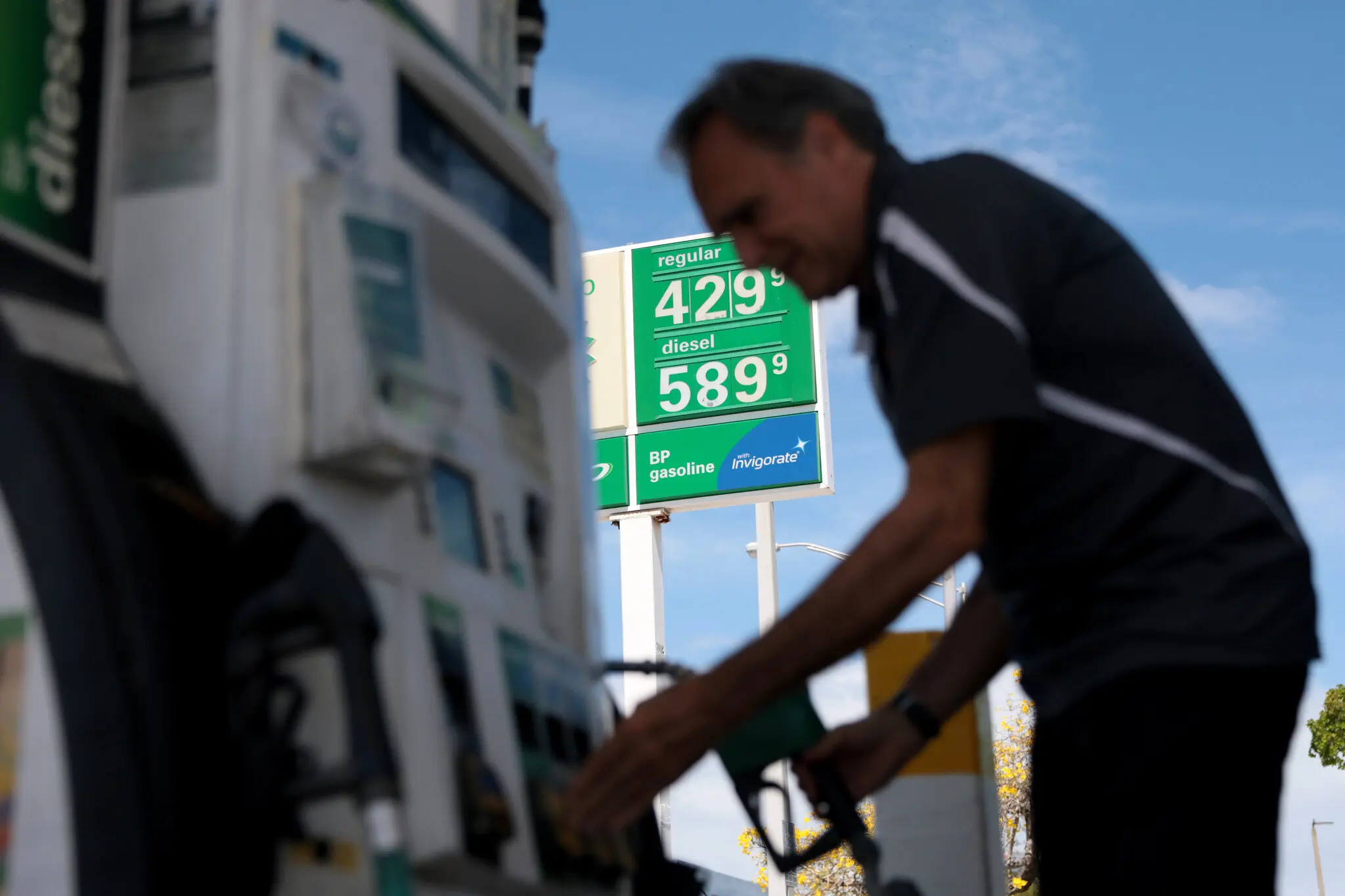
Inflation — measured by the PCE price index, the Federal Reserve’s favorite gauge — climbed 0.4% in December month-to-month. Strip out food and energy and the core PCE index rose the same 0.4%. Year-over-year, headline PCE was +2.9% and core PCE was +3.0%.
Quick monthly snapshot (Nov → Dec):
- Current-dollar personal income: +0.3%
- Current-dollar DPI: +0.3%
- Real DPI: flat (0.0%)
- Current-dollar PCE: +0.4%
- Real PCE: +0.1%
- PCE price index: +0.4% (core: +0.4%)
This release covers December 2025 but was pushed back from its original Jan. 29 date because of the October–November 2025 government shutdown. BEA also says it’s modernizing how it shares data — interactive tables will be the priority going forward, and PDFs/Excel versions of these news release tables will be phased out after the February estimate.
The numbers show households still spending and paychecks still rising, but inflation is not yet cooperating with Fed hopes for a smooth slide back to target. Real income was flat month-to-month, and the saving rate remains modest — a combo that leaves consumers vulnerable if prices keep accelerating or wages slow. The next Personal Income and Outlays report for January is due March 13, 2026.



The latest news in your social feeds
Subscribe to our social media platforms to stay tuned