






CNBC, the Daily Beast, and Bloomberg contributed to this report.
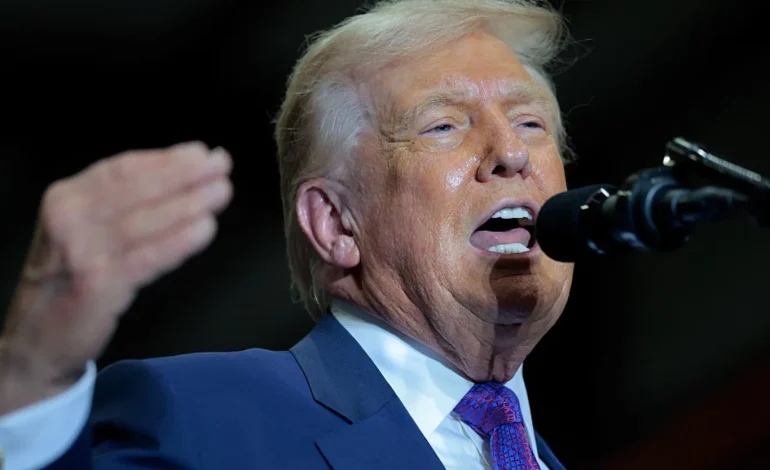
Forty minutes before the government released the fourth-quarter growth report, President Donald Trump dropped a blunt post on Truth Social blaming last year’s shutdown for knocking GDP down — and minutes later the Commerce Department confirmed the slowdown.
At 7:50 a.m. ET Trump wrote, “The Democrat Shutdown cost the USA at least two points in GDP. That’s why they are doing it, in mini form, again.” Forty minutes later the Commerce Department said real GDP grew at an annualized 1.4% in Q4 — well under many forecasts and a sharp fall from the prior quarter.
The post was eyebrow-raising because senior officials, including the president, can be briefed on sensitive economic releases before the public — and there are rules about going public with that information. The Office of Management and Budget explicitly bars executive-branch officials from commenting on such data until at least 30 minutes after release, to avoid unfair market signals.
A White House official defended the post to reporters, saying the president has repeatedly highlighted the shutdown’s drag on growth and that his headline figure was “consistent with his 2% Truth this morning.” But critics say preannouncing or previewing data can look like a heads-up, intentional or not.
Economists had flagged the shutdown — which began Oct. 1 and ran 43 days — as a likely drag. The Congressional Budget Office had estimated the lapse could shave up to two percentage points off Q4 annualized GDP depending on length, so Trump’s shorthand wasn’t pulled from nowhere. Still, other forecasters had been penciling in a stronger quarter, which made the Commerce Department’s 1.4% print sting more.
Politically, the timing is awkward for an administration that has made economic strength a marquee talking point. Slower growth and signs of cooling consumer and labor indicators give opponents lines to use as the midterms approach, and allies scrambled to frame the results in a softer light. Kevin Hassett, director of the White House’s National Economic Council, conceded the slowdown was disappointing but pointed to multi-quarter averages to argue the bigger trend looks sturdier.
The episode also revived an old debate about whether presidents should publicly preview economic data. Last year and earlier in his presidency, Trump and other senior officials have been accused of slipping data hints out ahead of time, prompting warnings about market etiquette and transparency. On cable TV, commentators offered a mix of skepticism and damage-control — and a reminder that even a fast, typo-filled Truth Social post can move headlines.
Bottom line: the president’s early post read like an attempt to shape the narrative before the charts did. The charts, for now, tell a cooler story than the administration hoped — and the timing of the post only made that kinkier for markets and political strategists alike.
(Additional context: Federal rules restrict early commentary; Fed Chair Jerome Powell and other officials have been frequent targets of presidential criticism about interest rates. Media voices such as Maria Bartiromo and White House staffers including Susie Wiles have all been part of the back-and-forth over how to spin economic reads.)


The latest news in your social feeds
Subscribe to our social media platforms to stay tuned