



Cuba’s fuel shortage spills into public health crisis as US pressure tightens
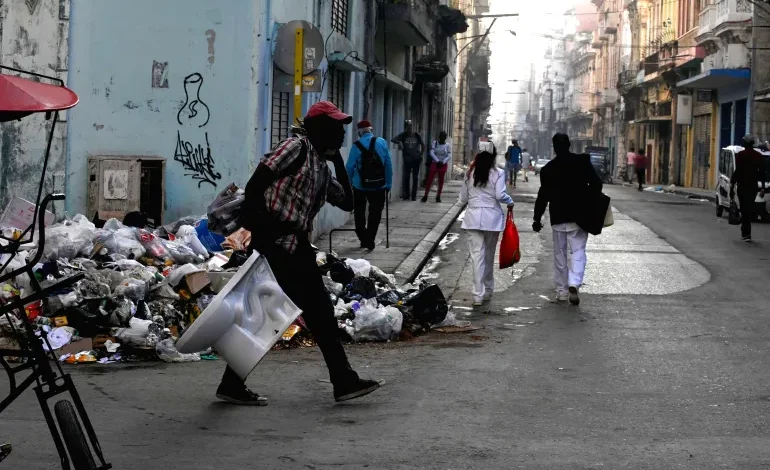

Cuba’s deepening fuel shortage is now showing up in the most visible way possible, turning an energy crisis into a sanitation and health emergency.
In Havana, fewer than half of the capital’s garbage trucks are still operating. Only 44 of the city’s 106 collection vehicles have enough fuel to run, slowing waste removal to a crawl and leaving refuse stacked on corners and outside homes. Residents say some neighbourhoods have gone more than a week without service.
“It’s all over the city,” said Havana resident Jose Ramon Cruz. “It’s been more than 10 days since a garbage truck came.”
Similar scenes are emerging in other towns, with social media filling the gap left by official information as people warn about the growing risks to public health.
The immediate cause is the island’s wider fuel collapse, which has already forced blackouts, disrupted transport and grounded flights. The loss of oil supplies, previously imported from Venezuela, has rippled through basic municipal services, where even routine operations now depend on scarce diesel.
Washington’s latest measures have tightened that squeeze. A new executive order allows sanctions on any country that ships oil to Cuba, effectively extending the reach of the embargo beyond bilateral trade and into global energy flows. The move followed the US operation in Venezuela that removed President Nicolas Maduro from power and cut off a key source of Cuban fuel.
Donald Trump framed the situation in stark terms, calling Cuba a “failed nation” and pointing to aviation disruptions as evidence of systemic collapse.
“Cuba is now a failed nation. They don’t even have jet fuels to get their aeroplanes to take off, they’re plugging up their runway,” he said, adding that negotiations were under way and that “they should absolutely make a deal. Because it’s really a humanitarian threat.”
Havana has responded by casting the crisis as the result of external pressure. Foreign Minister Bruno Rodriguez accused the United States of “violations of peace, security and international law and the increasing hostility” against the country, while seeking diplomatic and economic backing abroad. His recent trips to China and Vietnam were part of that effort.
For now, some relief is arriving through third parties. Mexico has sent two naval vessels carrying 800 tonnes of humanitarian supplies, and Spain has pledged assistance through its development agency and the United Nations after talks in Madrid focused on the tightening embargo.

The latest news in your social feeds
Subscribe to our social media platforms to stay tuned