



“Gallons-per-query? Fake.” Sam Altman Shrugs off Water Scare, Says AI Needs Cleaner Power
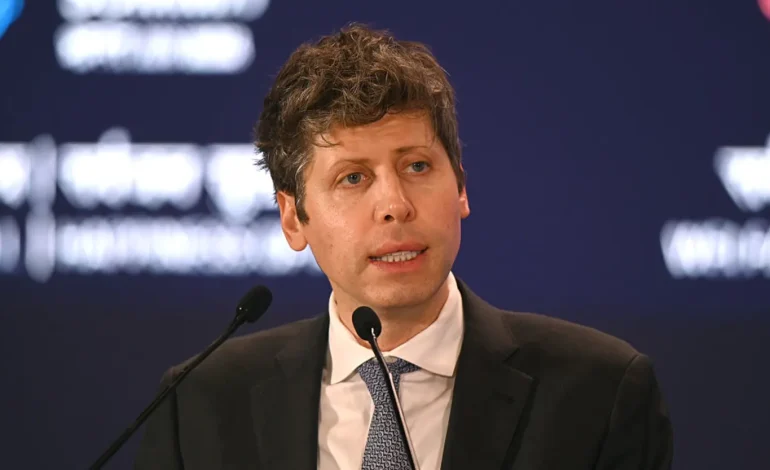

The original story by Dylan Butts for CNBC.
Sam Altman pushed back hard on worries about AI’s resource footprint this week, calling viral claims that ChatGPT guzzles “gallons of water per query” flat-out false — but he didn’t pretend energy use isn’t a real issue.
Speaking at an industry event, Altman said the water-per-prompt numbers floating around online are “completely untrue, totally insane” and “have no connection to reality.” He pointed out that modern data centers use a range of cooling tech (some don’t use water at all), so the headline panic about water per query is overblown.
That said, Altman was blunt that total AI energy demand is rising as usage explodes. His solution? Cleaner power — “we need to move towards nuclear or wind and solar very quickly,” he said. He also made a point a lot of folks found eyebrow-raising: comparing the energy a model uses to the energy it takes to train a human. “Training a person takes 20 years and the food and resources that go with it,” Altman argued, adding that on a per-answer basis (inference vs. training), AI is already competitive with humans on energy efficiency.
Altman’s take hit both ends of the debate — pushing back on clickbait scare stories while acknowledging that the industry must scale responsibly. He flagged inference (the act of answering questions after a model is trained) as far less power-hungry than the training phase, and urged faster deployment of low-carbon electricity to meet rising demand.
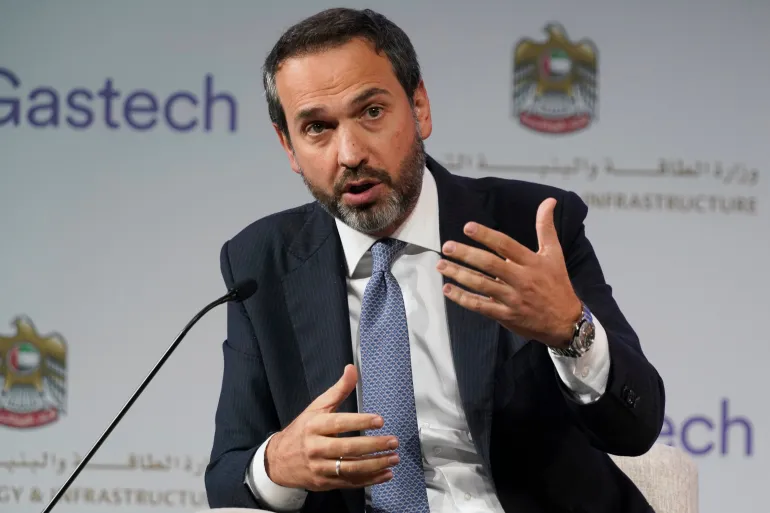
Not everyone bought the human-vs-machine comparison. Sridhar Vembu, who was at the same event, pushed back, saying he doesn’t want technology treated as the moral equivalent of a person. Others have warned that even if per-query use is small, the sheer scale of global AI usage could put pressure on grids and water supplies.
Independent studies have painted a mixed picture. A recent report cited by Altman’s critics — from Xylem and Global Water Intelligence — warned that water drawn for data-center cooling could more than triple over the next 25 years unless tech and policy adapt. And the broader electricity footprint of data centers, per a report from the International Monetary Fund, is already large enough to demand policy attention as AI scales.
Local pushback is real, too: communities from Europe to the US have balked at giant data-center plans over grid strain and tax worries — a recent high-profile rejection of a $1.5 billion project in San Marcos, Texas, US shows the political heat that can come with big builds.
Altman’s bottom line was straightforward and a little pragmatic: the water fear-mongering is bogus, but the industry owes it to everyone to push for cleaner power and smarter infrastructure as AI usage grows. Whether that message calms critics — or convinces regulators and local communities — is another question.



The latest news in your social feeds
Subscribe to our social media platforms to stay tuned