
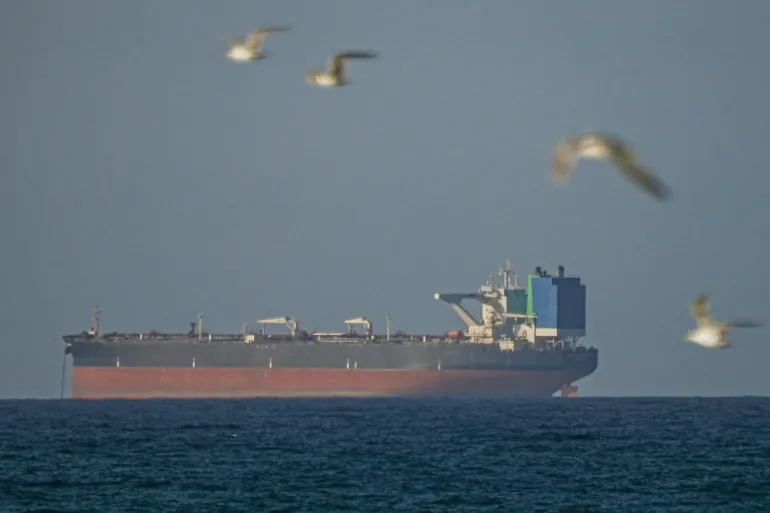
Oil on Edge as Trump Mulls Strike on Iran


CNN, Reuters, the Wall Street Journal, and Bloomberg contributed to this report.
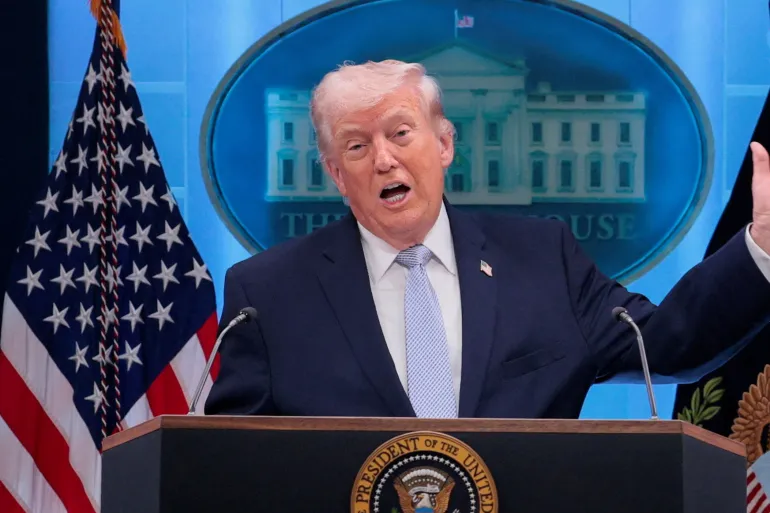
President Donald Trump is publicly weighing a strike on Iran, and the markets are freaking out — with good reason. Iran doesn’t just sit on the world’s third-largest proven oil reserves; it also controls the northern approaches to the narrow shipping lane that moves a huge chunk of the planet’s crude. If that route gets messy, prices would jump fast and American wallets would feel it almost immediately.
As US forces built up in the region, Trump said this week:
“We may have to take it a step further, or we may not… You’re going to be finding out over the next probably 10 days.”
Traders reacted: Brent crude climbed roughly 7% since Tuesday and cracked $70 a barrel, while US crude is about $10 richer than it was a month ago. That reverses the steady slide in pump prices that’s been a political talking point for the White House.
The scariest scenario for traders is a hit to the Strait of Hormuz — the 21-mile stretch of water that’s basically the world’s oil choke point. Roughly 20 million barrels a day move through there, about one-fifth of global crude output. Iran has already flexed: it partially shut the strait for drills this week, which helped spark the recent price move.
“If the Strait of Hormuz stays unsafe for ships, you’re talking real trouble — oil above $100 a barrel,” said Rob Thummel of Tortoise Capital.
That kind of spike would sooner or later show up at the pump; analysts say $80 oil could push average US gas back over $3 a gallon. For voters already squeezed by tariffs and inflation, that’s terrible timing ahead of the midterms.
That said, a full blockade is still a low-odds bet. Iran would need to keep the strait closed while under military pressure, and doing so would blow a hole in the regime’s own revenues. Iran pumps about 3.2 million barrels a day — roughly 4% of global supply, per OPEC — and the government depends heavily on export cash. History also offers precedent: the market has sometimes bounced back surprisingly fast after major supply shocks.
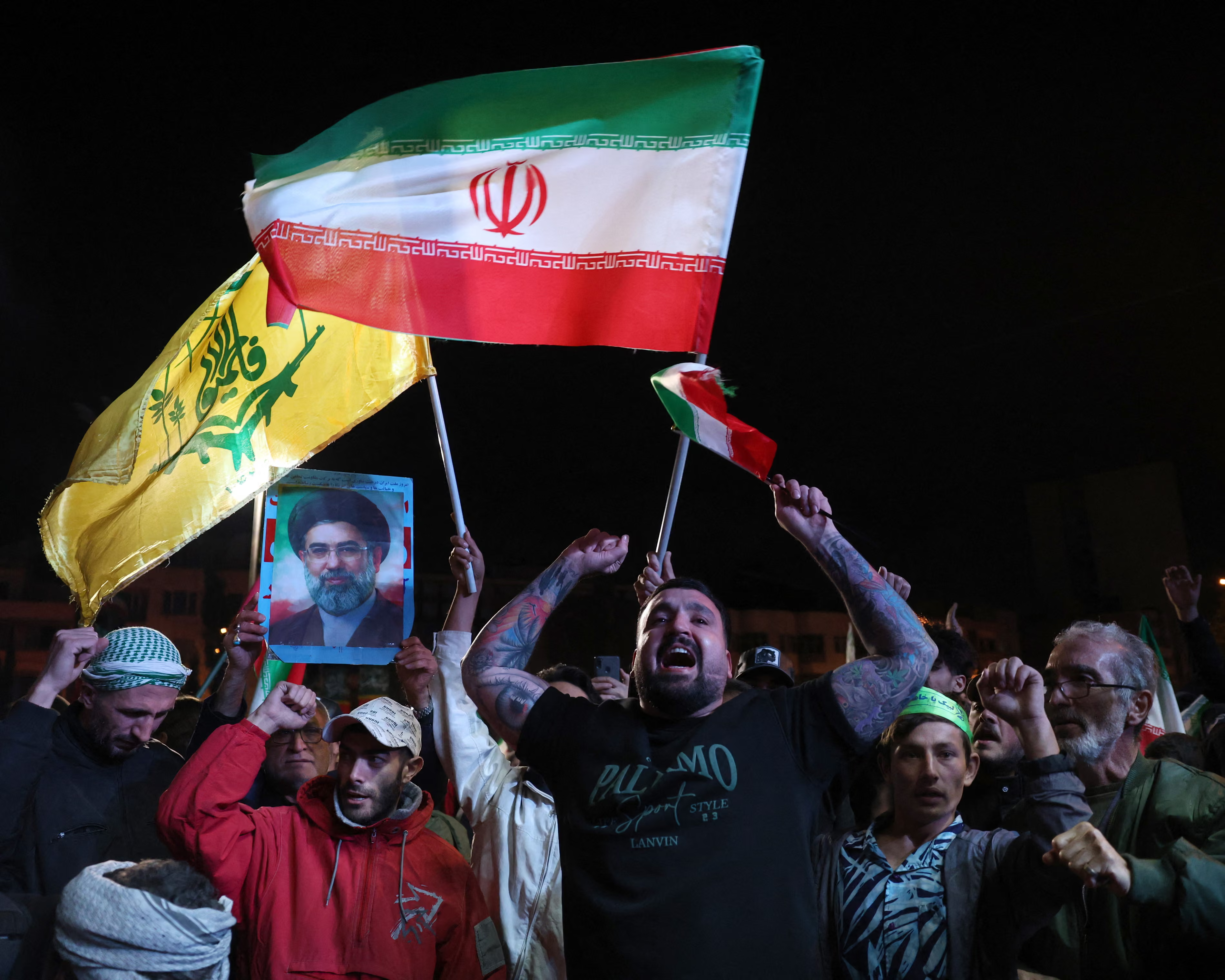
Still, even limited Iranian retaliation — missile strikes, mine deployments, harassment of tankers — could rattle shipping and insurance markets, making it riskier and costlier to move oil. Insurers would likely hike premiums or refuse coverage for transits, which would force detours, squeezes and panic buying. That’s why traders are jittery even if a full-blown war isn’t the most likely outcome.
Politically, the stakes are obvious. Higher fuel prices are an immediate, visible hit for households and a headache for any administration. And while the White House argues global supplies are ample for now, markets tend to price in fear quickly — and then prices can feed on themselves.
Bottom line: a US attack on Iran wouldn’t automatically doom the oil market, but it raises a real and fast-moving risk that could roll through economies and election cycles. Keep an eye on the Hormuz headlines — and your next fill-up.


The latest news in your social feeds
Subscribe to our social media platforms to stay tuned