





Commonwealth pressure grows to remove Prince Andrew from royal succession
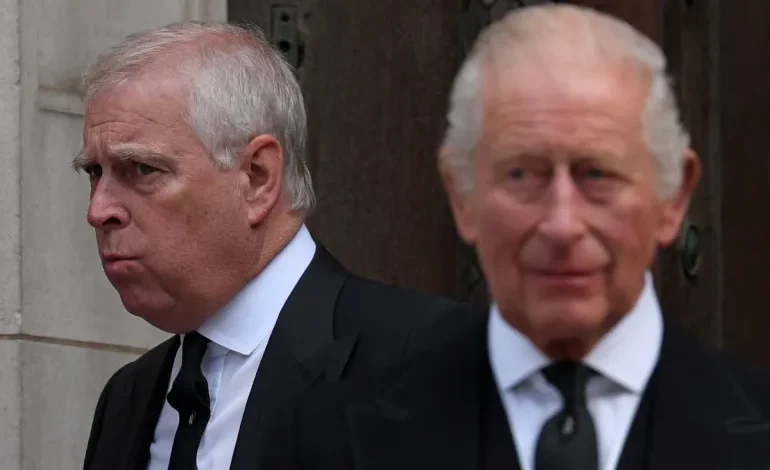

Australia has become the first Commonwealth realm to formally move in favour of stripping Andrew Mountbatten-Windsor of his place in the line of succession, turning what was once a domestic royal scandal into a coordinated constitutional question across multiple countries.
Prime Minister Anthony Albanese said his government would write to fellow Commonwealth realms to make its position clear, signalling that Canberra wants the process — which legally requires the consent of all 15 countries that share the British monarch as head of state — to begin sooner rather than later.
“Australia likes being first, and we have made sure that everyone knows what our position is, and we’ll be writing today to the other realm countries as well, informing them of our position,” Albanese told Australia’s ABC public broadcaster.
His framing was political as much as procedural. He pointed directly to public reaction at home, saying Australians were “disgusted” by the latest revelations connected to Jeffrey Epstein and expected a clear stance from their government.
“King Charles has said that the law must now take its full course. There must be a full, fair and proper investigation. And that needs to occur,” he added.
The timing matters. Mountbatten-Windsor, 66, was arrested last week and questioned as part of an investigation into alleged misconduct in public office linked to his dealings with Epstein. Although the legal process is only at an investigative stage, the constitutional conversation is already moving ahead of it — a sign of how politically sensitive the issue has become for governments that still operate within the framework of the monarchy.
Albanese acknowledged that the mechanism itself must begin in London. Any alteration to the order of succession has to be initiated by the United Kingdom and then approved by the other realms. In a letter to British Prime Minister Keir Starmer, he confirmed that Australia would support such a move “in light of recent events”.
“I agree with His Majesty that the law must now take its full course and there must be a full, fair and proper investigation,” Albanese wrote.
“These are grave allegations and Australians take them seriously,” he added.
New Zealand quickly aligned itself with that position. Prime Minister Christopher Luxon said Wellington would back a British proposal to remove Mountbatten-Windsor from the succession, effectively turning the issue into a coordinated Commonwealth response rather than a bilateral matter between London and any single capital.
The episode highlights how the monarchy’s shared constitutional structure can transform personal scandal into multilateral diplomacy. Changes to succession rules are rare precisely because they require synchronised legislation across different legal systems and political climates. That Australia has chosen to lead publicly — and that New Zealand has immediately followed — suggests a growing willingness among some realms to treat the reputational risks of the royal family as matters of state rather than symbolism.


The latest news in your social feeds
Subscribe to our social media platforms to stay tuned