






With input from Bloomberg, Business Insider, CNBC, and Market Watch.
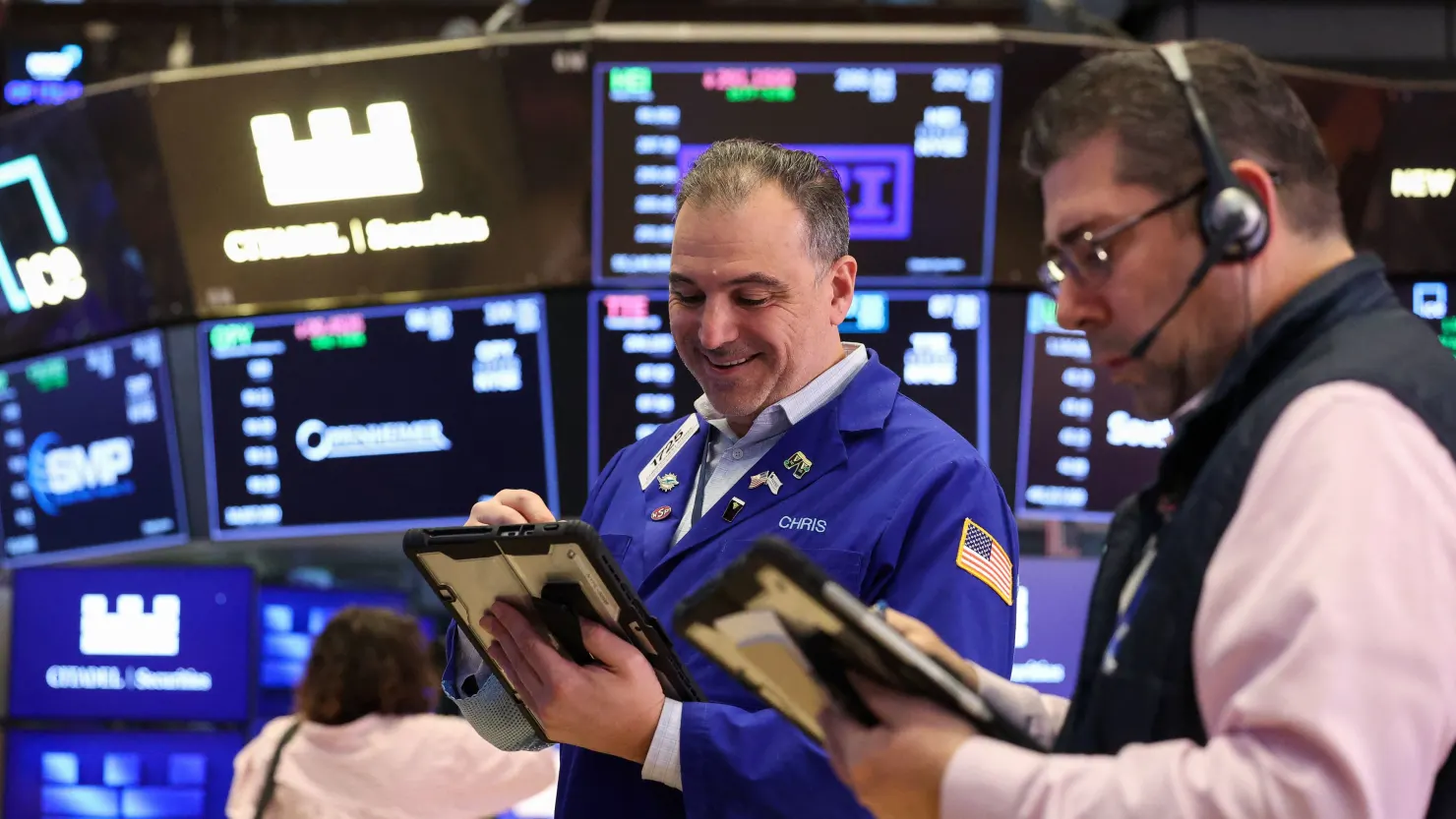
Jamie Dimon just dropped a mood check: the head of Jamie Dimon told investors Monday he’s spotting the same sort of “rising tide” excess that showed up before the 2008 crash — and people are taking notice.
At JPMorgan’s investor day, Dimon said competition has pushed some banks into “doing some dumb things” — chasing net interest income or stretching for growth in ways that look risky. He compared today’s frothy markets to 2005–2007, when everyone was making easy money and the good times hid real cracks. That’s a sharp warning from the boss of JPMorgan Chase, which says it’s staying conservative even if that means losing business.
Why the worry now? The S&P is back near October highs, volatility is ping-ponging between daily swings, and investors have swapped calm for paranoia about who AI might wipe out next. Small shocks — like the news that AI startup Anthropic’s Claude Code can modernize ancient COBOL systems — recently sent ripples through stocks tied to legacy tech. And chatter from commentators warning of bankruptcies in software hasn’t helped.
Dimon flagged a few concrete stress points: private credit has been jittery after Blue Owl sold assets to meet investor redemptions, and big alternative managers like Apollo, KKR and Blackstone saw their shares wobble. Those moves, plus a wave of AI-related bets in software lending, make Dimon uneasy that the next surprise in a credit cycle could come from an unexpected corner.
His lieutenants backed the caution. Troy Rohrbaugh warned that problems could spread beyond private credit if things deteriorate, while veteran analyst Mike Mayo pressed on where risks might lurk.
A lot of this comes down to sentiment. The market’s love affair with AI has pushed valuations and confidence high — but it’s also left investors ready to see ghosts in every corner. Reports from boutique research shops painting grim scenarios for food delivery, credit-card firms and other consumer plays have only added fuel to the fear machine.
Still, not everyone thinks this is doom and gloom. Some strategists say the current jitters are a classic “risk-sentiment reset”: tactical de-risking rather than a structural unraveling. Others point out that AI spending is actually creating real jobs and construction activity — data centers, semiconductors, concrete and logistics — even if the macro accounting for the boom is messy.
Dimon’s message was simple: enjoy the party, but don’t forget the exits.
“You feel stupid when everyone’s coining money,” he said — and when the cycle turns, the surprise industry that gets hurt might not be the one you expect.
Bottom line: investors are on edge. Keep an eye on credit stress, AI-linked lending, and whether high asset prices start to crack under pressure — the next nasty shock could come from somewhere quiet.


The latest news in your social feeds
Subscribe to our social media platforms to stay tuned