






The Wyoming House of Representatives and Senate have passed competing two-year budget drafts with a $170 million difference between them, setting the stage for high-stakes negotiations this week. The House approved a $9.96 billion plan Monday while the Senate sent over a $10.13 billion version—both below Gov. Mark Gordon’s original $11.13 billion request.
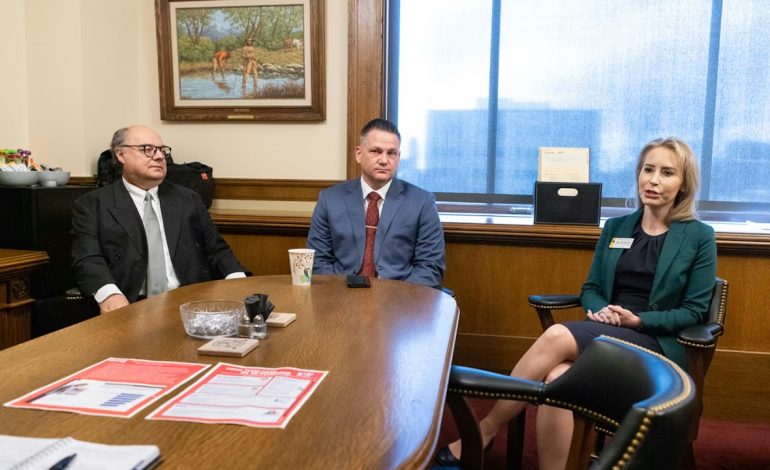
House Speaker Chip Neiman, R-Hulett, and Senate President Bo Biteman, R-Ranchester, must now each appoint five lawmakers to a joint conference committee tasked with reconciling the differences. Biteman told Cowboy State Daily he’s already selected three negotiators—himself, Senate Majority Floor Leader Tara Nethercott, and Appropriations Chair Tim Salazar—and is looking for two more with “the right temperament.”
The gap represents a “relatively small percentage of a $10 billion budget,” according to Legislative Service Office analyst Don Richards, but the policy differences are substantial.
The University of Wyoming faces starkly different treatment in each chamber. The House approved a $20 million cut—5% of its operating grant—with another $20 million contingent on the university finding $5 million in savings. The Senate voted to fund UW fully and grant other exception requests.
The Wyoming Business Council, the state’s embattled economic development agency, also hangs in the balance. The House approved $9.8 million for one year while eliminating its controversial Business Ready Communities program. The Senate funded it at $54 million.
Both chambers approved $111 million for state employee raises, but disagree on funding sources. The Senate would draw from Wyoming’s checking account; the House would use severance taxes—a move that conflicts with a standalone Senate bill.
Senate leaders highlighted their addition of $9 million for the developmental disability waiver program, replacing expired federal COVID relief funds. “That was incredibly important,” Salazar said.
Biteman listed the ongoing “CheckGate” investigation and the K-12 education recalibration bill among the session’s top challenges. The Senate unanimously advanced its version of the recalibration bill after the House rejected its own twice.
Nethercott said leadership has managed to “eclipse” those distractions. Salazar credited Biteman with the “calm and productive” atmosphere in the Senate.
The conference committee is expected to convene this week. Once negotiators reach a compromise, both chambers must approve the final budget before sending it to the governor.

The latest news in your social feeds
Subscribe to our social media platforms to stay tuned