




Amnesty with numbers and doubts in Venezuela
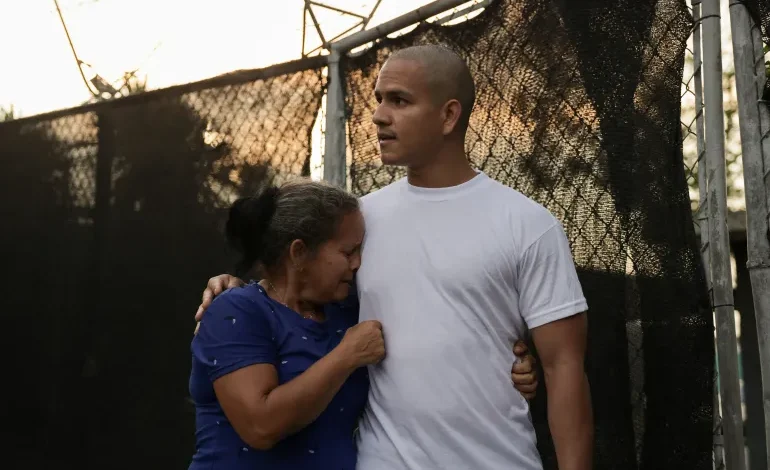

Venezuela’s government says its new amnesty law is already emptying cells and lifting restrictions for thousands, but human rights groups and the political opposition are questioning how far the measure really goes and who it leaves behind.
A special commission of the National Assembly announced that more than 3,200 people have obtained full freedom since the legislation took effect on February 20. According to lawmaker Jorge Arreaza, who oversees the process, authorities received 4,203 applications. After review, 3,052 people who had been under house arrest or other judicial restrictions were granted complete release, along with 179 prisoners who were freed from jail.
The law, signed by interim President Delcy Rodríguez after unanimous approval in the assembly, is officially framed as a step toward easing political tensions and opening space for reconciliation. At the signing ceremony, Rodríguez said it showed the country’s leadership was “letting go of a little intolerance and opening new avenues for politics in Venezuela”.
The political context is impossible to separate from the legal one. The measure follows last month’s US operation in which former President Nicolás Maduro was abducted and taken to New York — an event that had already been followed by a wave of conditional releases.
But the scope of the amnesty is where the consensus ends. Opposition figures argue that key categories of cases remain excluded, particularly those involving accusations of “promoting” or “facilitating … armed or forceful actions” by foreign actors. Members of the security forces convicted on terrorism-related charges are also not covered.
That gap feeds into a broader dispute over how many political prisoners are actually being freed. The prisoners’ rights organisation Foro Penal says it has verified only 91 political releases so far and notes that nearly 600 people remain behind bars. The group has also asked for 232 excluded cases to be reviewed.
International observers are taking a similarly careful line. United Nations human rights experts welcomed the measure “with caution”, stressing that any amnesty must apply to all victims of unlawful prosecution and form part of a wider transitional justice process that meets international standards.


The latest news in your social feeds
Subscribe to our social media platforms to stay tuned