

BAFTA broadcast edit puts BBC back at centre of Gaza coverage row
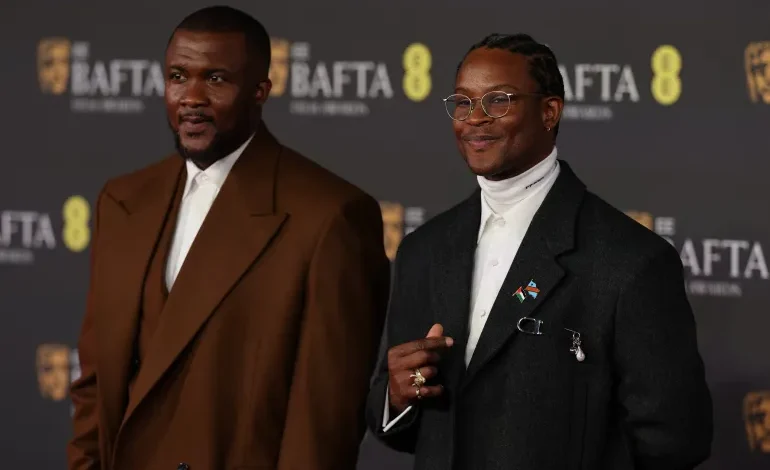

The BBC is facing a fresh dispute over its editorial decisions after viewers noticed that a pro-Palestinian statement made on the BAFTA stage did not appear in the version of the ceremony shown on television — even as an unrelated offensive outburst remained audible.
Akinola Davies Jr, who won outstanding debut by a British writer, director or producer for My Father’s Shadow, closed his speech with a message that widened beyond the usual awards-night script. “To those watching at home, archive your loved ones, archive your stories yesterday, today and forever. For Nigeria, for London, Congo, Sudan, Free Palestine,” he said, after expressing solidarity with “those under occupation, dictatorship, persecution and those experiencing genocide”.
When the BBC aired the ceremony on a two-hour delay, that final line was missing. The edit quickly triggered accusations of censorship from viewers and advocacy organisations. Amnesty International UK called the decision “shameful”, thanking the filmmaker for using his platform to speak about people “facing and fleeing from persecution and mass atrocities – from the Congo to Sudan to Palestine”.
The reaction intensified because, elsewhere in the same broadcast, a racial slur shouted from the audience could still be heard. The remark occurred while Michael B Jordan and Delroy Lindo were presenting the award for best visual effects. Earlier in the evening, host Alan Cumming had told the audience that one of the attendees was John Davidson, an advocate for people with Tourette syndrome, a condition that can involve involuntary vocal tics, including inappropriate language.
The BBC apologised for failing to remove that outburst from the televised version and said it would be edited out of the programme on its streaming service. “Some viewers may have heard strong and offensive language during the Bafta Film Awards,” the broadcaster said, explaining that the words were linked to Tourette-related involuntary speech and “were not intentional”.
On the decision to cut Davies Jr’s remarks, the corporation declined to offer further explanation when asked about its editorial approach.
The episode lands in a wider context. The BBC has repeatedly come under scrutiny over how it handles coverage related to Israel and Gaza. Last year it chose not to broadcast a documentary about medical workers in Gaza that it had commissioned, citing “partiality” concerns, a move that prompted a petition from more than 100 of its own journalists. It has also faced earlier criticism for removing pro-Palestinian imagery and calls for a ceasefire from awards-show coverage.

The latest news in your social feeds
Subscribe to our social media platforms to stay tuned