

Bolivia brings back the DEA as new government pivots toward Washington
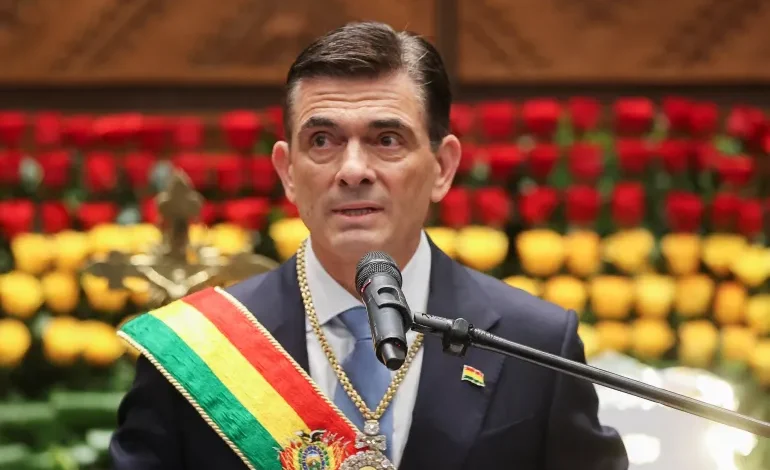

Bolivia has formally reopened the door to the US Drug Enforcement Administration, ending a rupture that defined nearly two decades of strained relations and signalling how sharply the country’s foreign and security policy has shifted since last year’s election.
“The DEA is in Bolivia,” Interior Minister Marco Oviedo said, confirming that US agents are already operating in the country alongside European law enforcement partners. The first phase, he explained, will focus on tightening border controls and dismantling trafficking networks, with plans to draw in anti-narcotics agencies from neighbouring states.
The announcement reverses a decision taken in 2008 by then-President Evo Morales, who expelled the DEA and froze cooperation with Washington. Morales had accused the United States of using drug enforcement as a political tool and built a strong domestic base around that stance, particularly among coca growers for whom the crop is both a livelihood and a cultural staple. Under his Movement for Socialism party, Bolivia maintained a model that rejected US-backed eradication campaigns and the wider “war on drugs”.
That political era ended in 2025, when economic turmoil and internal divisions fractured the ruling coalition and produced the country’s first modern presidential run-off between two right-wing candidates. Rodrigo Paz won with nearly 54.9 percent of the vote and moved quickly after taking office in November to restore diplomatic ties with Washington, arguing that closer relations were essential for investment and economic recovery.
The DEA’s return is part of that broader reset. Earlier this month the two countries agreed to exchange ambassadors for the first time in almost 18 years, and Paz’s government has framed international security cooperation as a cornerstone of its strategy to stabilise the economy and modernise key sectors such as energy and lithium.
Even so, the scope of the agency’s role remains under negotiation. Foreign Minister Fernando Aramayo has said a detailed agreement defining operational limits and areas of cooperation is still being drafted, reflecting the political sensitivity of the issue in a country where Morales and his allies retain significant support, especially in rural and highland regions.
The move also places Bolivia inside a much more assertive US regional policy. Since returning to office, Donald Trump has intensified anti-narcotics efforts across Latin America, designating major cartels as “foreign terrorist organizations” and authorising military actions that Washington says target drug trafficking infrastructure. Critics argue that those operations — including strikes in Venezuela and the ongoing campaign known as Operation Southern Spear — blur the line between policing and warfare and risk bypassing legal safeguards.
For La Paz, the immediate calculation is economic and institutional: rebuilding relations with the United States and international partners after years of isolation. For Washington, the DEA’s return restores a presence in one of the Andean region’s key coca-producing countries.

The latest news in your social feeds
Subscribe to our social media platforms to stay tuned