

Iran signals deal is close as diplomacy and military pressure move in parallel

Iran is talking up the chances of a breakthrough with Washington, but the atmosphere around the next round of negotiations suggests a familiar pattern: cautious optimism on paper, hard power in motion on the ground.
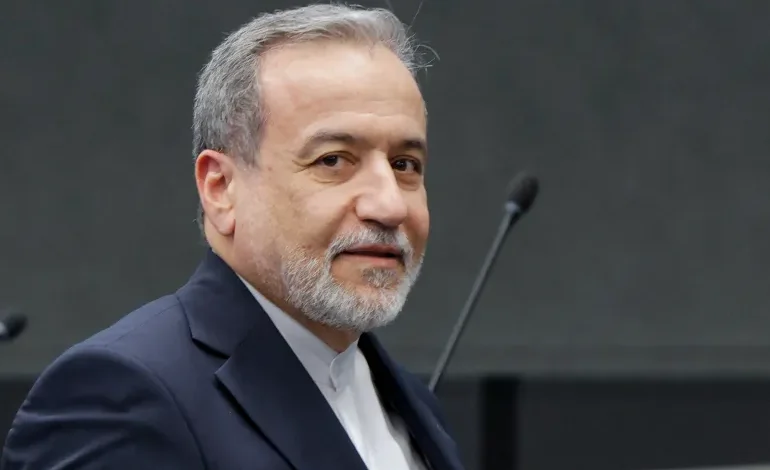
Foreign Minister Abbas Araghchi said a deal to avert conflict was “within reach” ahead of indirect talks in Geneva, describing the moment as a “historic opportunity to strike an unprecedented agreement” if “diplomacy is given priority” — a line that appeared to nod to US President Donald Trump’s repeated threats to use force.
In a statement posted on social media on Tuesday, Araghchi reiterated Tehran’s long-standing position that it would “under no circumstances ever develop a nuclear weapon”, while insisting that Iran’s population has the right to benefit from “peaceful nuclear technology”. The wording was both a reassurance and a reminder of the core dispute that has defined years of negotiations.
Thursday’s meeting in Switzerland will be the third round of talks, with Oman again acting as mediator. Muscat has said it hopes for “a positive push to go the extra mile towards finalising the deal”, signalling that the process has moved beyond exploratory contacts into more detailed bargaining.
The messaging from Washington is moving in a different register. In his State of the Union address, Trump said he preferred a diplomatic solution but paired that with a stark warning, accusing Iran of developing missiles that could “soon reach the United States of America”.
“My preference is to solve this problem through diplomacy. But one thing is certain, I will never allow the world’s number one sponsor of terror, which they are, by far, to have a nuclear weapon. Can’t let that happen,” he said.
Trump also returned to the legacy of the US strikes on Iranian nuclear facilities in June 2025, saying Tehran had been warned not to rebuild.
“They’re starting it all over. We wiped it out, and they want to start all over again, and are at this moment, again, pursuing their sinister ambitions. We are in negotiations with them. They want to make a deal, but we haven’t heard those secret words: ‘We will never have a nuclear weapon’,” he added.
The negotiating teams reflect how tightly controlled the process is on both sides. Araghchi is leading for Iran, while White House envoy Steve Witkoff and Trump’s son-in-law Jared Kushner are representing the United States.
Deadlines are also being introduced. After the previous round in Geneva, Trump said Iran had 10 to 15 days to reach a “meaningful deal”, again raising the possibility of military action and pointing to a growing US force presence in the region.
That build-up is now physically visible. The US Navy’s largest aircraft carrier, the USS Gerald R Ford, has docked at a NATO base on Crete on its way towards the Middle East. At the same time, Iran’s Revolutionary Guard Corps has been conducting drills in the country’s south, saying it has constructed “a strong fortress” there. The parallel deployments underline the dual-track approach: negotiation backed by deterrence.
Inside Iran, the diplomatic effort is unfolding against a more complicated domestic backdrop. Al Jazeera’s Tohid Asadi, reporting from Tehran, said “the public mood in Iran is a mixture of different sentiments, and oscillation between fear of the war, in terms of the military build-up by the Americans in the region, and hope for diplomacy”.
He noted that the talks come amid “public dissatisfaction”, pointing to “massive protests” in December that were “initially driven by the economic hardship”, and to more recent expressions of discontent in universities across the country. Economic pressure remains central to that picture. The US has acknowledged that its actions caused a shortage of dollars in Iran, contributing to severe economic strain and the collapse of one of the country’s largest banks ahead of the December protests.

The latest news in your social feeds
Subscribe to our social media platforms to stay tuned