





A bill aimed at easing the burden on Wyoming jails forced to house mentally ill inmates awaiting state hospital beds cleared its first House hurdle Friday with a unanimous vote, continuing its smooth path through the Legislature.
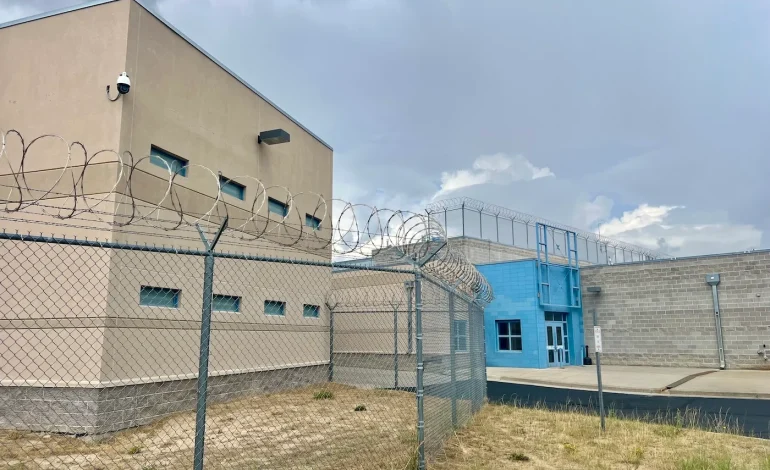
Senate File 10, sponsored by the Joint Judiciary Committee, would allow the Wyoming Department of Health to reimburse county sheriffs for the cost of holding and treating inmates with mental illnesses while they wait for competency evaluations or restoration services at the Wyoming State Hospital. Current law does not authorize such reimbursements.
The need is acute. Judges order more people to the state hospital than there are beds available. Inpatient wait times now stretch about five months, said Department of Health Director Stefan Johansson. Meanwhile, jails shoulder the financial burden and inmates’ conditions deteriorate without treatment.
“Without timely and adequate resources or support systems, many of these individuals continue to suffer and deteriorate more,” Uinta County Sheriff Andy Kopp wrote in a letter to lawmakers last year, describing the crisis.
The bill addresses the criminal court side of the problem, when a person accused of a crime is found mentally incompetent to stand trial. It would allow the health department to contract with detention centers for housing and mental health services until a bed opens at the state hospital.
The Joint Appropriations Committee has added a $5 million budget footnote to fund the reimbursements over the next two years, though that appropriation remains subject to budget negotiations. If it doesn’t survive, lawmakers could add funding directly to the bill.
The bill has seen one amendment: a requirement that the health department report on contract usage to the Joint Judiciary Committee by October 2027.
Lawmakers also heard updates on related efforts, including a telepsychiatry pilot program giving officers remote access to clinicians, and a diversion program in Natrona, Laramie and Campbell counties connecting mentally ill people charged with low-level misdemeanors to community treatment rather than jail.
Staffing shortages at the state hospital compound the backlog. Though CNA vacancy rates have dropped from 50% to 15% in 18 months, the hospital still operates at only 80 of its 104 mental health beds due to nursing shortages. The JAC has approved nearly $1.9 million for a pilot nurse salary increase at one facility, though that could be superseded by broader state employee pay adjustments.
SF 10 now heads to the House Appropriations Committee, then requires three more votes in the House before reaching the governor.

The latest news in your social feeds
Subscribe to our social media platforms to stay tuned