




NPR, CNN, and NBC News contributed to this report.
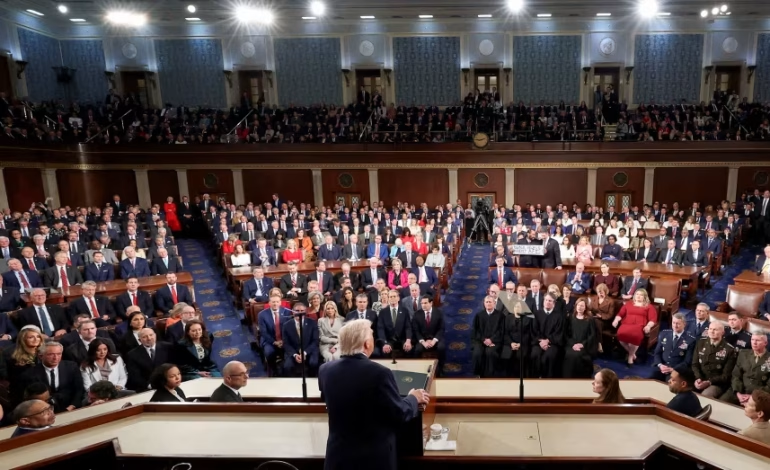
President Donald Trump took the House floor for a marathon State of the Union — about 1 hour 48 minutes, equal parts show and policy pitch. He painted a picture of a country “back” and booming, while critics, fact-checkers and many voters saw a very different reality. Here are five detailed takeaways from the speech and what they mean for politics, policy and the midterms.
1) He skipped the ordinary “I hear you” moment on the economy
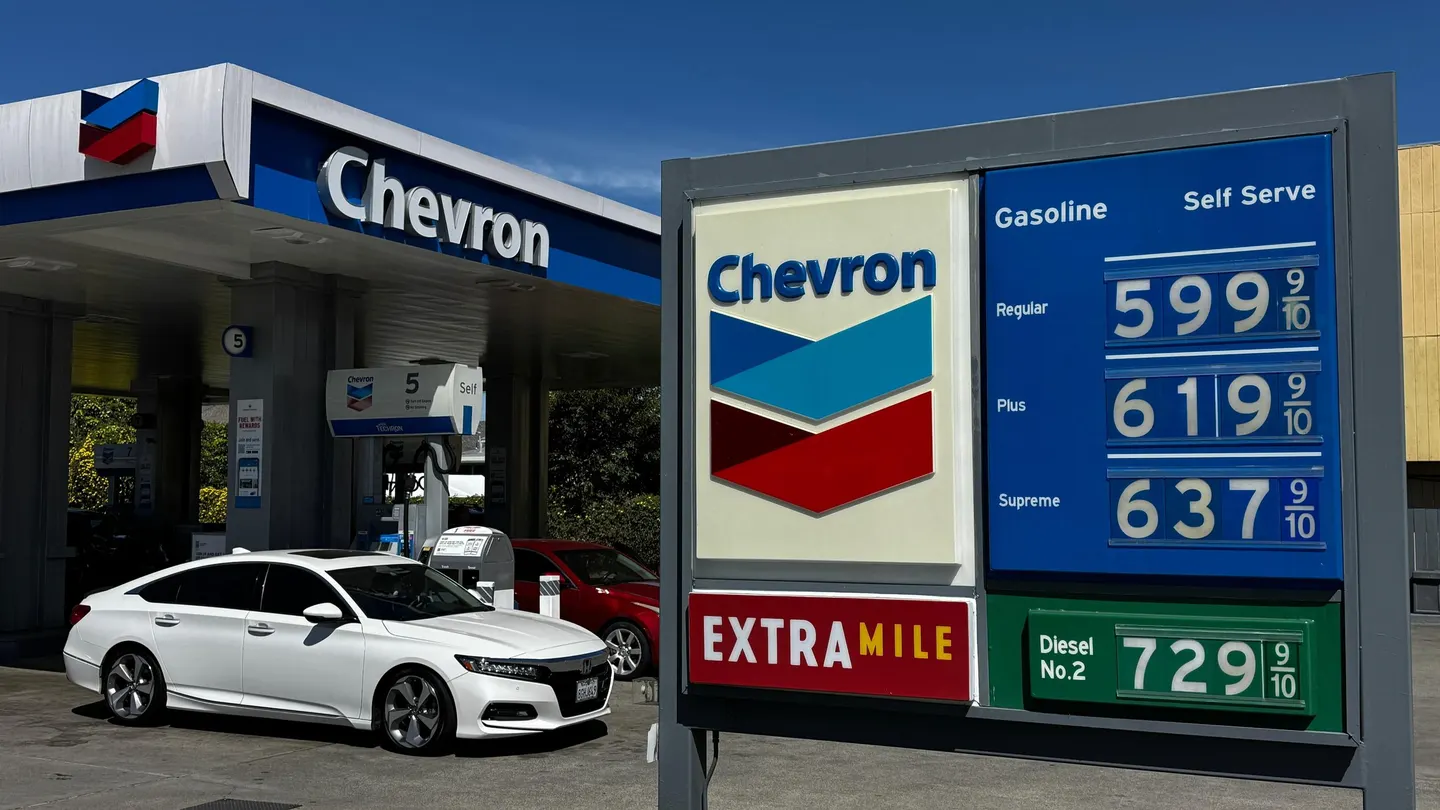
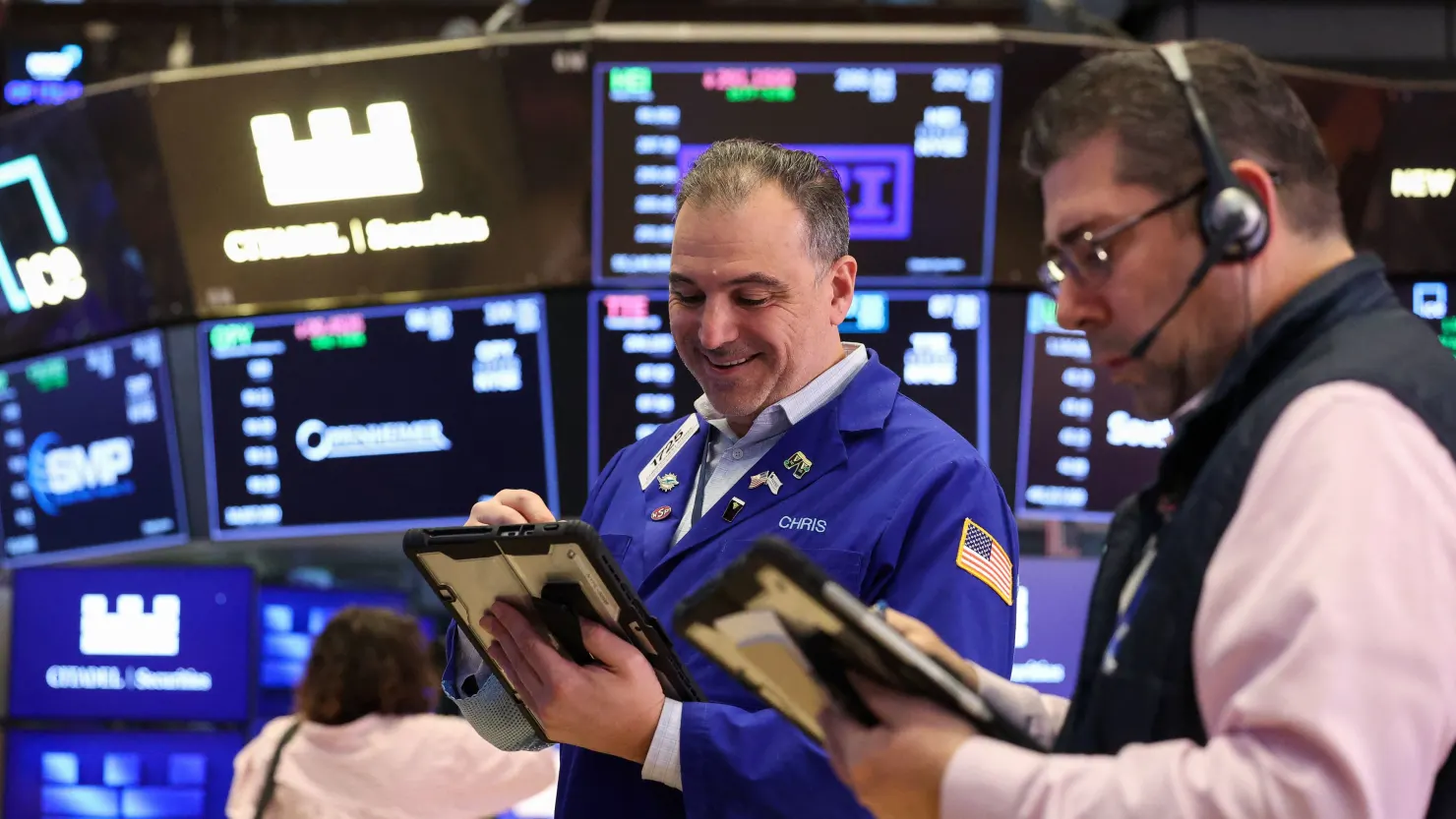
Trump waved away the everyday complaints that dominate voters’ minds — higher grocery, rent and child-care costs — and instead bragged about stock gains and lower gasoline prices. Polls show most Americans still say the cost of living is their top worry, and that skepticism about the economy is driving voter unease. The president’s upbeat tone clashed with hard numbers and independent checks: his team’s headline “$18 trillion in investments” claim is wildly overstated; gas price claims were off the mark; and his framing that tariffs are paid by foreign countries ignores analyses showing most tariff costs land on US businesses and consumers.
Trump tried to sell a “turnaround for the ages,” but millions of voters didn’t get that memo — and avoiding a clear moment of empathy risks leaving his campaign vulnerable on the one issue that matters most to swing voters.
2) The message was reheated — immigration, culture wars, and tough talk
The address recycled the familiar Trump playlist: hardline immigration rhetoric, crime anecdotes designed to shock, and culture-war flourishes. He pushed border security hard and revived calls for deportation and tougher immigration rules — including a new ban on commercial licenses for undocumented immigrants he dubbed the “Delilah Law.” That rhetorical playbook worked for him in past cycles, but it runs into two new realities: (a) he now owns the economy’s record and public dissatisfaction there reflects on his party; and (b) he’s governing with a record on immigration enforcement that has already provoked controversy and, in places, tragedy — notably recent fatal encounters between federal agents and civilians that drew sharp Democratic outrage. The hardline pitch energizes his base but also feeds headline conflict that could hurt swing voters.
3) The speech offered a light legislative grocery list — not a bold playbook
State of the Union addresses can be launching pads for major agenda items. This one wasn’t. Trump asked Congress for about half a dozen specific bills: codify his drug pricing moves (unclear how), the Stop Insider Trading Act to restrict lawmakers’ trades, the “Delilah Law,” restored funding for the Department of Homeland Security, and the SAVE America Act requiring proof of citizenship to vote. Those are consequential, but they’re a patchwork rather than a cohesive legislative strategy — and many would face steep hurdles in a divided, distracted Congress. In short: a speech heavy on rhetoric and light on a detailed roadmap for the next legislative fight.
4) The Democratic response and the chamber drama were front-page fodder
The Democrats pushed back on multiple fronts. The official rebuttal — delivered by Abigail Abigail Spanberger — hammered the economy and hammered home the message Trump largely skipped: people are struggling with affordability. On the floor, the address devolved into the now-familiar mix of standing ovations, pointed heckling and theatrical protests. Representative Ilhan Omar shouted at the president over allegations tied to immigration enforcement, and Representative Al Green carried a sign that led to his ejection — emblematic of how the chamber has become a stage for outrage as much as policy debate. Those live, viral moments are campaign gold for both sides: energizing bases, shaping cable-news narratives and punching holes in the other side’s talking points.
5) Fact checks piled up — and many claims won’t move the needle with fixed opinions
Multiple claims in the speech drew quick rebuttals from fact-checkers: the $18-trillion investment figure, the scale and beneficiaries of tariffs, sweeping claims about inflation and the labor market, and the idea that he “ended eight wars.” Independent reviewers pointed out misleading framing or outright falsehoods on a half-dozen major topics. Still, political operatives say these corrections matter most to persuadable voters; for many partisans, views of Trump are already “baked in.” Polling experts noted he briefly had an opportunity to reset, but entrenched opinions — and the polarized media ecosystem — make it hard for a single prime-time speech to flip broad public sentiment.
Translation: fact checks will fuel partisan spin, but they may not be decisive by themselves.
What to watch next
Midterms: The speech was a clear signal of where Trump wants the fall campaign to go: tough on immigration, courts, and “culture” messaging. Democrats, countering with pocketed stories on affordability and kids’ pocketbooks, will try to nationalize the economy. Expect ad buys and rapid rapid-response memos on both sides.
Policy: The DHS funding stalemate that dogged Congress didn’t vanish; Trump’s insistence on tariffs and other unilateral moves could trigger more legal and economic battles. The president publicly vowed to keep tariffs despite a recent adverse Supreme Court ruling and offered “alternative” legal theories — a move that invites litigation, economic blowback, and intense lobbying. (The Supreme Court was literally in the room for that part of his pitch.)
Narrative: The speech reinforced the polarized playbook: mobilize the base with flair and culture-war targets, while hoping the economy’s technical indicators — jobs, markets, selective tax wins — do the heavy lifting. If voters continue to name cost of living as their top worry, Republicans may have to show more than bravado to hold or expand their hold in Congress.
Trump’s State of the Union was theatrical, long and tightly aimed at his supporters: border security, culture battles, and policy headlines that play well on right-leaning media. But he largely sidestepped the day-to-day economic pain that many voters say is their priority, and fact-checkers flagged a raft of misleading claims. Democrats seized the opening to press the affordability message in a way likely to echo through the midterm campaign. For persuadable voters — and for anyone watching how policy fights will actually play out on Capitol Hill — the speech raises more questions than it answers.
If you want, I can pull together a one-page memo summarizing the top political lines both parties will run with from tonight’s speech, plus suggested interview questions for swing-district voters.


The latest news in your social feeds
Subscribe to our social media platforms to stay tuned