



Wyoming Game and Fish Seeks Property Tax Relief as Budget Pressures Mount

The Wyoming Game and Fish Department is one step closer to shedding over $400,000 in annual property taxes, after the state Senate unanimously passed Senate File 26 on Monday. The bill now heads to the House for consideration.
The measure would exempt the department’s regional offices, Cheyenne headquarters, the National Bighorn Sheep Center in Dubois and a Buffalo field office from property taxes. In 2025, Game and Fish paid $850,000 in property taxes; the exemption would eliminate roughly half that sum. The department would continue paying taxes on employee housing and wildlife management areas.
Sen. Bill Landen, R-Casper, chair of the Senate Travel, Recreation, Wildlife and Cultural Resources Committee, called the legislation an “old friend that we’ve been trying to push through.” An identical bill passed the Senate last year but died in the House.
Game and Fish Director Angi Bruce told lawmakers the change would put the agency on par with other state agencies, which typically don’t pay property taxes on government buildings. It’s unclear why Game and Fish has paid them historically. Ken Gill, a Department of Revenue property tax administrator, said the reason predates his tenure: “I’m sure there was a valid reason, but it was way before my time.”
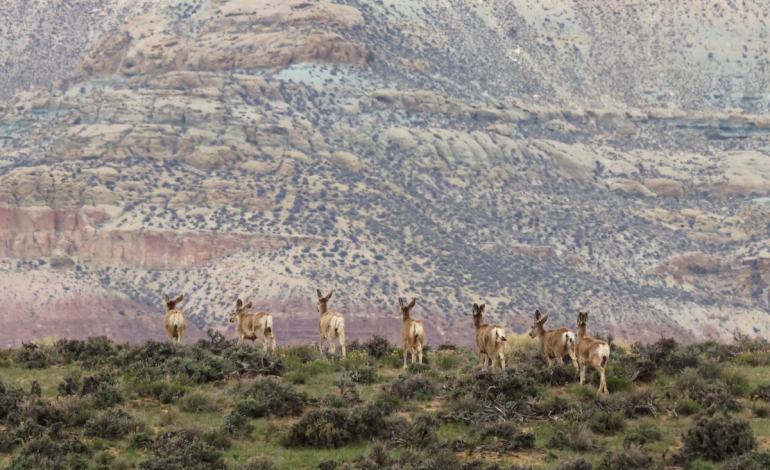
The relief comes as the department faces projected revenue declines due to fewer mule deer and antelope licenses in western Wyoming—herds are rebounding from a harsh winter—and impacts from wildfires in the northeast. Game and Fish is uniquely funded: 60% from hunting and fishing licenses, 25% from federal taxes on guns and ammunition, and 15% from grants and investments.
Jess Johnson of the Wyoming Wildlife Federation, which made the bill a top priority, said the department’s work “comes at a cost that continues to grow each year with a budget that does not.”
Some county officials voiced concerns, particularly about potential future exemptions for game warden residences that also serve as public offices. Jerimiah Rieman of the Wyoming County Commissioners Association warned it could set a precedent: “It’s not about Game and Fish, necessarily, it’s about the next agency that’s going to come to you.”
A separate budget provision that would have required the state to reimburse Game and Fish for discounted and donated licenses—costing the department $2 million annually—was cut by the Joint Appropriations Committee before the session began.



The latest news in your social feeds
Subscribe to our social media platforms to stay tuned