



Wyoming Lawmakers Propose Taxpayer-Funded Boost for Fossil Fuels, Excluding Wind and Solar
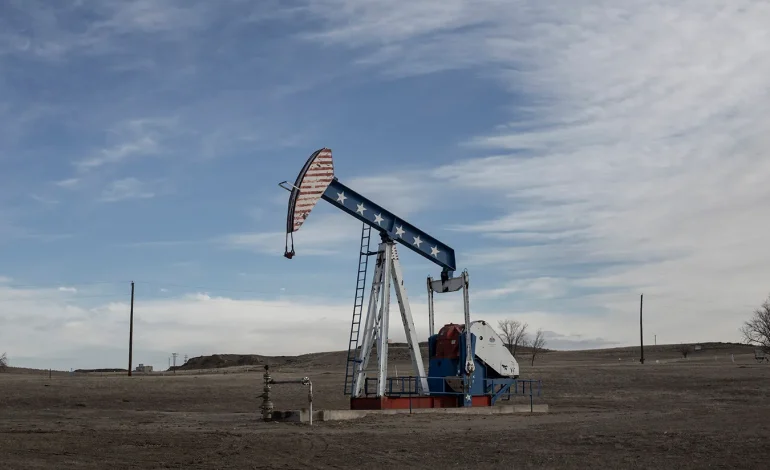

If Wyoming is going to fully embrace President Trump’s vision for U.S. “energy dominance,” the state’s fossil fuel, uranium and rare earth minerals industries need a financial boost from Wyoming taxpayers, according to industry leaders and top state officials. Two bills advancing through the Legislature would provide that help—while explicitly excluding wind and solar energy.
Senate File 123 would create a $105 million “Energy Dominance Fund” by temporarily diverting a portion of severance taxes paid by energy companies. The money would be used for matching grants and loans to companies with new oil, natural gas and coal projects, as well as uranium and critical minerals development. Wind and solar are specifically excluded.
The bill’s sponsor, Senate President Bo Biteman, R-Ranchester, told lawmakers that fossil fuel industries have faced regulatory uncertainty and difficulty accessing capital. “Wyoming is at the tip of the spear for President Trump’s energy dominance plan,” he said. “In order to make some of these big projects happen, it takes a lot of capital up front.”
The Petroleum Association of Wyoming backs the bill, noting that the funding source—severance taxes—comes primarily from the industry that would benefit. But critics question excluding other energy sources. “If the purpose of the fund is to ensure Wyoming is the ‘energy backbone’ of the country, it doesn’t make much sense to intentionally exclude forms of energy production that could round out Wyoming’s portfolio,” said Auna Kaufmann of the Wyoming Outdoor Council.
A separate bill, House Bill 128, would create a five-year window for a 2% state severance tax reduction to encourage “enhanced oil recovery”—secondary methods that squeeze additional oil from aging fields. The tax break would cost an estimated $4 million in state revenue over two years but could unlock over 100 million barrels of oil currently stranded in Wyoming, according to the Enhanced Oil Recovery Institute.
Bob LeResch, a member of the Powder River Basin Resource Council’s board, questioned whether a 2% tax break would actually influence investment decisions in a volatile oil market. “Nobody’s going to make a long-term investment decision based on that little, marginal savings,” he said.
Both bills advanced to committee consideration this week as the budget session enters its final weeks.



The latest news in your social feeds
Subscribe to our social media platforms to stay tuned