






The original story by for CNN.
President Donald Trump spent his State of the Union painting a picture of an economy roaring back — and on the headline metrics he wasn’t lying. Jobs are steady, wages have been creeping higher, inflation has cooled from its peak, and the US posted roughly 2.2% growth in 2025. Markets look healthy, and on paper you can make a case that things are moving in the right direction.
Trouble is, most voters don’t wake up thinking about GDP or CPI. They wake up worrying about rent, groceries, childcare, car payments and whether their paychecks will stretch to the end of the month. That gap — strong macro numbers on one side, daily pocketbook pain on the other — is the political story Trump mostly skipped over in his big speech.
Here’s what actually matters and why the president’s upbeat sales pitch may ring hollow for a bunch of Americans.
On aggregate the data look decent: growth, employment and inflation trends are arguably stable. Paychecks have been outpacing inflation for awhile, and that matters. But averages lie. The gains are concentrated, and a classic K-shaped pattern has appeared: wealthy households and asset owners (stocks, homes) capture most of the upside, while lower-income families feel squeezed by rising costs and stagnant access to housing.
That’s super-important because political attitudes track lived experience, not national averages. Someone who refinanced a mortgage in 2020 at tiny rates is feeling very different about the economy than a renter or first-time buyer who’s priced out.
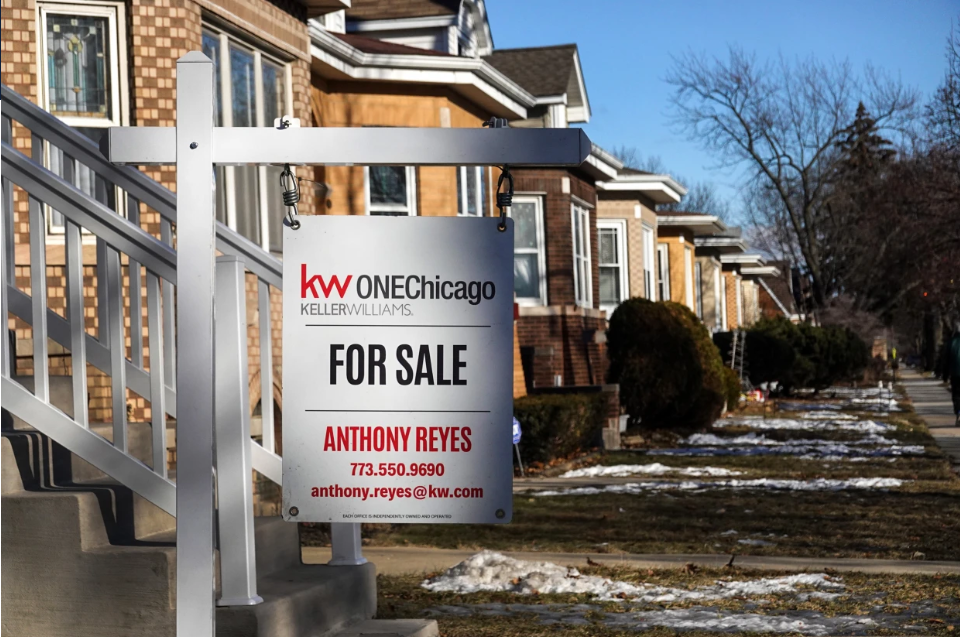
Housing is the headline drag. High mortgage rates have frozen turnover: people aren’t selling, so big renovation projects tied to buying/selling don’t happen. The result: fewer big-ticket purchases that drive Home Depot-style booms, and a market that advantages homeowners who locked low rates while punishing prospective buyers. The housing freeze also means local economies that depend on moving and remodeling are sluggish.
Even with headline inflation cooling, day-to-day essentials keep pinching. Health care, child care, insurance, and some grocery categories are still expensive. The friction shows up in rising delinquencies and a growing share of borrowers more than three months behind — concrete signs that some households are at or past the breaking point.
Trump doubled down on tariffs in the speech — even after the Supreme Court struck down major parts of his import duties. Independent analysts, including the Tax Foundation, estimate the net cost of those tariffs added roughly $1,000 to the average US household’s annual bills last year. That’s not a great talking point when voters are griping about grocery bills. After the court ruling, Trump said he’d find alternate legal routes to keep levies in place — politically risky and likely to keep prices higher for many consumers.
The White House rolled out some affordability ideas — a new retirement path for folks without 401(k)s, tweaks to drug pricing, “Trump Accounts” for newborns, and a proposal to make big tech chip in on electricity costs for AI data centers. Those measures aren’t meaningless, but they’re incremental. They’ll take time to filter through the economy, and they don’t address near-term pressures like rent, child care or mortgage affordability.
Here’s the political rub: trumpeting aggregate victories (markets, GDP, “record” investment) doesn’t soothe someone choosing between a utility bill and groceries. Voters want empathy and concrete relief — “I see you, I’ll help” — not a rundown of macro wins. That’s why Democrats and other critics were quick to seize the affordability theme in the immediate response to the speech.
Also worth a note: these sweeping “America is back” lines aren’t unique to one party. As a rhetorical aside, similar triumphant language was used by the previous administration in its State of the Union last year, which underlines that grand economic boasts are no substitute for targeted policy that changes people’s monthly math.
If midterm outcomes depend on swing voters who care about affordability, Trump’s upbeat macro thread won’t be enough. Tariffs, in particular, are a raw issue — they’re visible at checkout and get blamed on the administration. Fixing that perception requires either policy moves that reduce out-of-pocket costs quickly or a concerted messaging pivot that acknowledges pain and lays out immediate relief.
Yes, the economy is strong on paper. But politics isn’t decided by the stock market or GDP growth — it’s decided at the grocery aisle and at the rent counter. Until policy or messaging directly eases those daily burdens, the “strong economy” case will feel like bragging to the many Americans who still don’t feel it in their wallets.

The latest news in your social feeds
Subscribe to our social media platforms to stay tuned