





The Trump administration is trying to hold together two competing messages on Iran: that last year’s US strikes destroyed Tehran’s nuclear programme, and that the threat of a bomb remains urgent enough to justify continued pressure and the possibility of new military action.
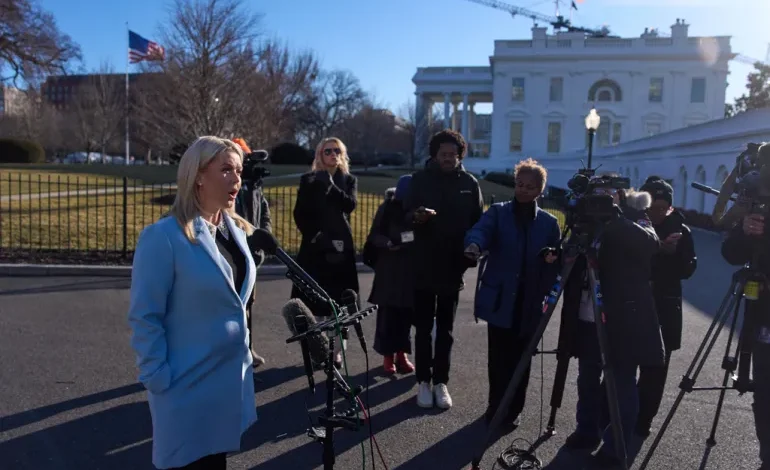
Speaking on Tuesday, White House spokesperson Karoline Leavitt described the June 2025 assault on Iranian nuclear facilities — Operation Midnight Hammer — as an “overwhelmingly successful mission” that “did, in fact, obliterate Iran’s nuclear facilities“. The language echoed President Donald Trump’s repeated claim that the attack eliminated Iran’s nuclear capacity and helped bring “peace” to the Middle East after the 12-day war between Israel and Iran that preceded the US operation.
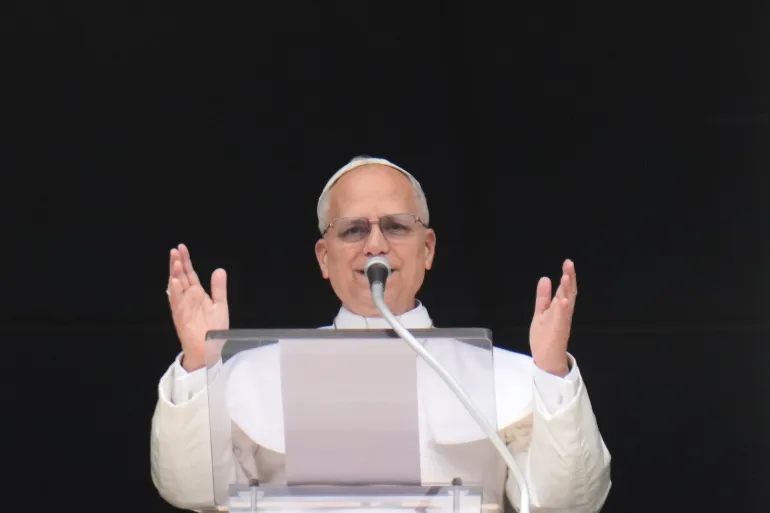
The problem for the administration is that a very different sense of timing has emerged from within its own ranks. Over the weekend, Trump’s envoy Steve Witkoff said on Fox News that Iran is “probably a week away from having industrial-grade bomb-making material”, a warning that suggests a far more limited long-term impact from the strikes than the White House’s public framing.
Leavitt tried to bridge that gap by arguing that both things can be true: the facilities were destroyed, but Iran could attempt to rebuild. She said the results of the attack had been “verified” by Trump and by the International Atomic Energy Agency, adding that the president’s goal was to ensure Iran “can never happen again” in developing a programme that could threaten the United States or its allies.
The wider record remains less definitive. Shortly after the strikes last year, IAEA chief Rafael Grossi said Iran could resume uranium enrichment “in a matter of months”. Since then, the agency’s inspectors have not been able to access the targeted sites, leaving an independent assessment incomplete. The Pentagon’s public estimate has been more measured than the political messaging, saying the programme was pushed back by one to two years.
There has also been no official confirmation that Iran has restarted enrichment since the attack, even as US officials continue to warn about the risk.
The renewed debate over timelines comes as Washington and Tehran prepare for another round of nuclear negotiations aimed at preventing a new conflict. Iran, which denies seeking a weapon, has said it is willing to accept minimal enrichment under strict IAEA monitoring in exchange for sanctions relief. Trump, by contrast, has insisted on zero enrichment.
The technical disagreement matters because enrichment sits at the centre of the entire dispute. Low-level enriched uranium can be used for civilian energy, while material enriched to about 90 percent can be used in a nuclear weapon. Before the June 2025 war, Iran had reached enrichment levels of 60 percent, far above the 3.67 percent cap set by the multilateral deal that Trump abandoned in 2018 during his first term.
Since Israeli Prime Minister Benjamin Netanyahu’s visit to Washington in December, Trump has again warned that the United States would strike Iran if it tried to rebuild its nuclear or missile programmes. At the same time, the US has been moving additional military assets into the region, reinforcing the sense that diplomacy is being conducted under an explicit threat of force.
Leavitt made that balance clear.
“President Trump’s first option is always diplomacy,” she said, before adding that he “is willing to use the lethal force of the United States military if necessary.”

The latest news in your social feeds
Subscribe to our social media platforms to stay tuned