


Banks Set to Unload About ¥300 Billion of Nintendo Stock — Buyback Also on the Table

Bloomberg, Reuters, and CNBC contributed to this report.
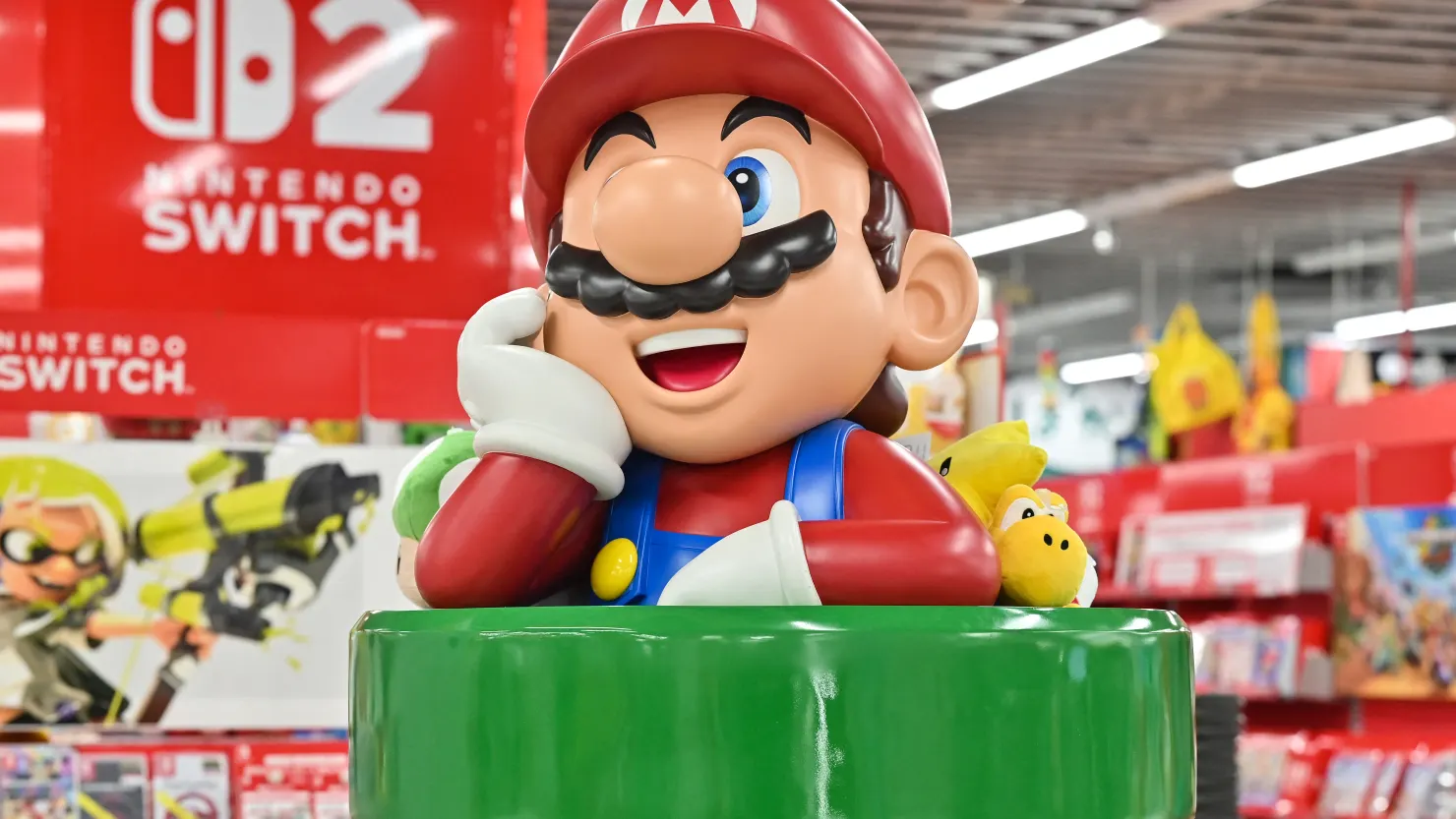
Nintendo is reportedly gearing up for a pretty tidy bit of balance-sheet housekeeping: banks and other strategic holders are expected to sell roughly ¥290–300 billion (around $1.9 billion) worth of the Kyoto-based game maker’s stock, and the company would pair that unwind with a share buyback.
According to people briefed on the plan, the unload would include stakes from big players such as a major megabank and a local lender — the kind of cross-shareholdings Japan has been nudged to unwind for years. The decision could come as soon as Friday, the sources said. Nintendo itself hasn’t commented, and the sources spoke on condition of anonymity because the move hasn’t been announced.
Why this isn’t just desk-cleaning: Japanese firms have for decades held each other’s stock to cement ties — but regulators and foreign investors have pushed back, arguing those holdings shield management from shareholders and weaken governance. In recent months the Tokyo exchange and policymakers have been extra vocal about easing out of that system. Big names elsewhere are doing the same: Toyota, for example, is planning a much larger unwind involving banks and insurers.
The sellers in this round reportedly include a mix of banks and corporate investors — the regional lender’s shares in the game maker have been among the most visible. Stocks reacted: the gaming company’s shares trimmed some gains but still rose roughly 2–3%, while the regional bank’s stock jumped around 9–10% on the news.
On top of the sales, Nintendo is said to be planning a buyback of up to ¥100 billion, possibly repurchasing as many as 14 million shares. That combination — strategic holders liquidating while the company buys back stock — is a tidy way to reshuffle ownership without too much market disruption and it can be a neat value boost for existing shareholders.
A similar, smaller round of sales happened in 2019 when banks offloaded about ¥71 billion in Nintendo stock. This appears to be a much bigger, more coordinated push in the same direction.
Practical effects: if big banks trim their cross-holdings, it loosens old corporate ties and signals a shift toward more shareholder-friendly governance. For Nintendo, the move clears the cap table a bit and funnels cash back to the company and its investors via the buyback.
Questions remain. Details on timing, exact sellers and whether any of the stock will be sold via block trades or a broader market offering are still unconfirmed. And while the transaction looks engineered to avoid drama — with buybacks cushioning price swings — it could still attract regulatory and market scrutiny because of its size.
This looks like a win for shareholders and a sign that Japan’s long-running cross-shareholding era is getting a deeper prune — and Nintendo is right in the middle of it, acting as both the co-star and the stage manager.



The latest news in your social feeds
Subscribe to our social media platforms to stay tuned