

Committee Devotes $3 Million Forest Health Bill Program To Reduce Wildfire Risk

A Senate committee unanimously advanced a bill Tuesday to create a $3 million Forest Health Grant Program, aiming to fund the kind of preventative work that stopped the catastrophic Elk Fire from destroying cabins and critical habitat in the Bighorn Mountains last fall.
When the Elk Fire roared out of Tongue River Canyon, it had already scorched tens of thousands of acres. But at Steamboat Point, it stopped—burning into areas where state forestry had previously conducted timber harvests and aspen enhancement projects.
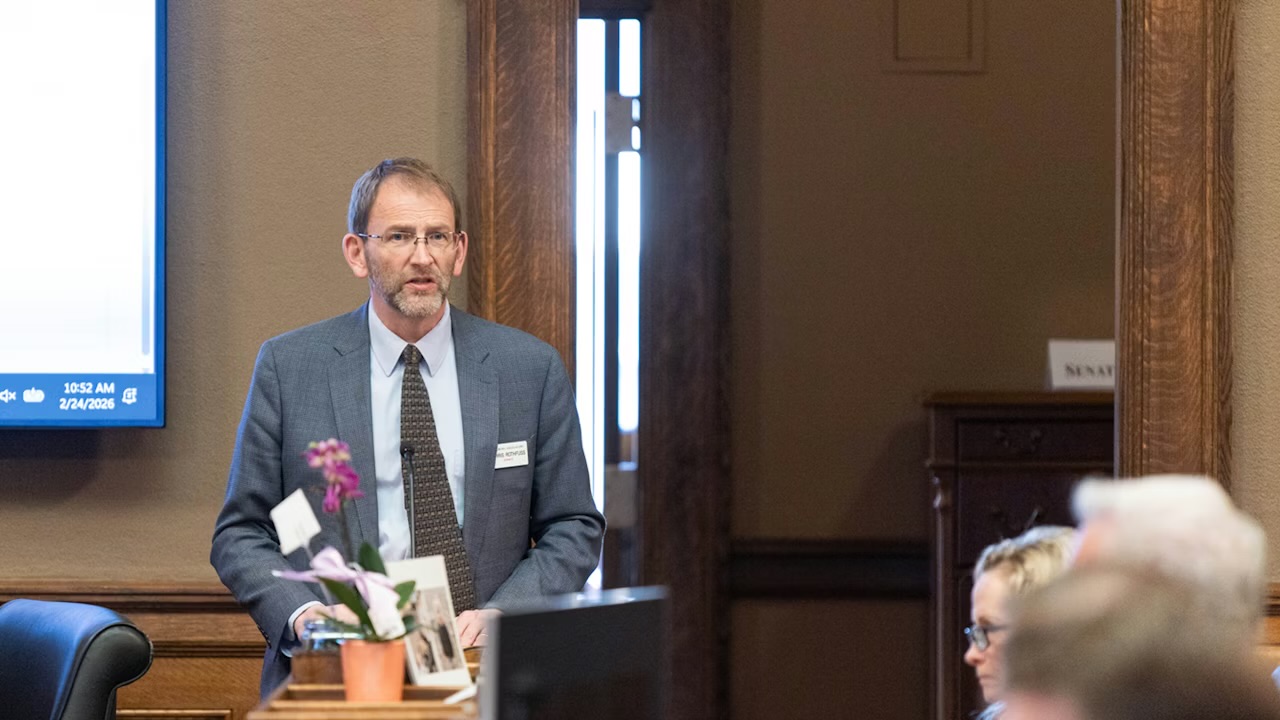
“This is where the fire stopped and saved three state-leased cabins, wildlife habitat, and essential grasslands for grazing and operations,” Wyoming State Forester Kelly Norris told the Senate Agriculture Committee.
Then she posed a question that hung over the entire hearing: “If only the rest of that forest would have been managed that same way, how different the Elk Fire would have looked in the end?”
House Bill 78, sponsored by the Select Water Committee, would create a cost-share program to fund similar work on state, local, private and federal lands. Eligible projects include reducing catastrophic wildfire risk, enhancing water quality, increasing forest product production, and improving wildlife habitat.
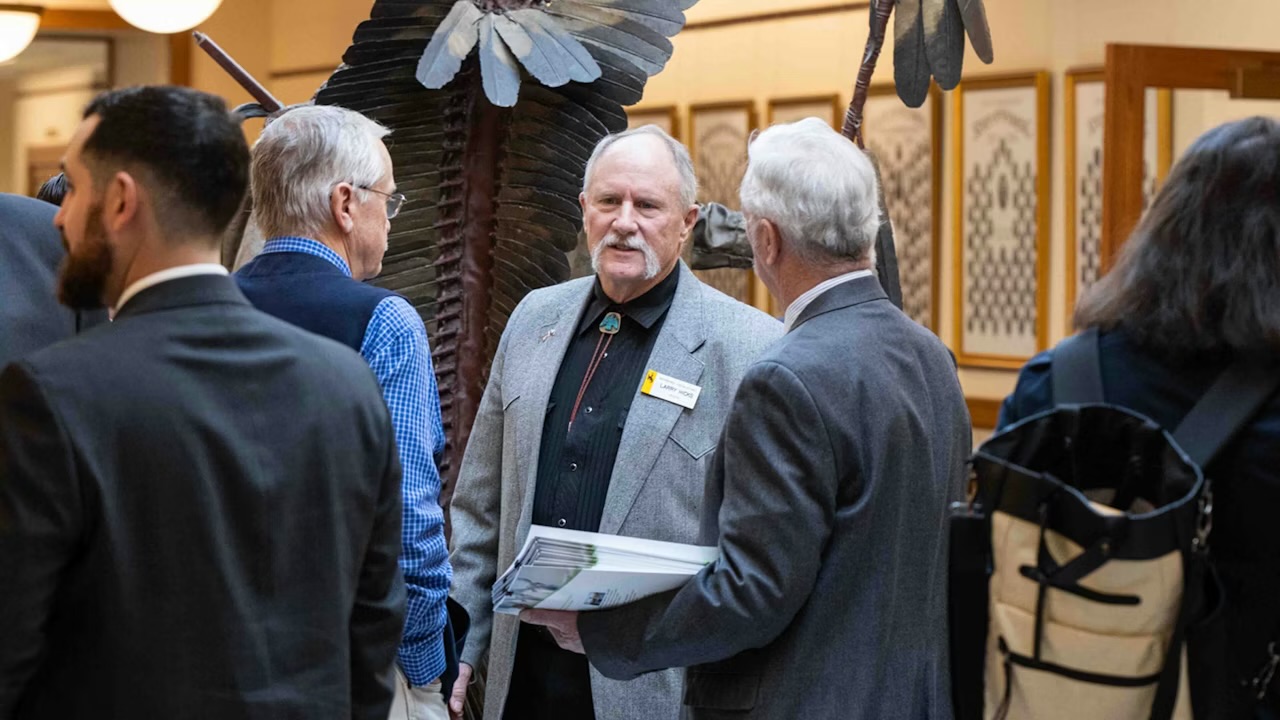
Sen. Larry Hicks, R-Baggs, argued the timing is critical, noting the Trump administration has created favorable conditions for federal cooperation. “Never have I seen the stars align,” he said. “This is a tremendous opportunity to make hay when the sun shines.”
The economics are challenging. Timber sales typically cover only 20-25% of restoration costs—the rest must be subsidized. Unlike Idaho or Montana, Wyoming’s mountain forests don’t produce the tall, straight timber that makes logging self-sustaining. The state’s largest forest product is firewood, much of it dead timber nearly two decades old.
The need is urgent. Roughly 26% of Wyoming’s forested lands are infected with beetles and disease and likely to see high mortality over the next 15 years. Decades of federal policy have compounded the problem: in 1980, the Medicine Bow National Forest harvested 44 million board feet annually; by the end of the Clinton administration, that had collapsed to 2.8 million.
Firefighters testified that mitigation work gives them a fighting chance. Brent Godfrey, Big Horn County fire warden, described a lightning strike in a treated area that grew to only half an acre. Without mitigation, Chris Kocher of the Wyoming Fire Chiefs Association said, “It becomes an untenable, an unwinnable position.”
The bill passed 5-0 and now heads to the full Senate.



The latest news in your social feeds
Subscribe to our social media platforms to stay tuned