





CNBC, Reuters, Fortune, and FOX Business contributed to this report.
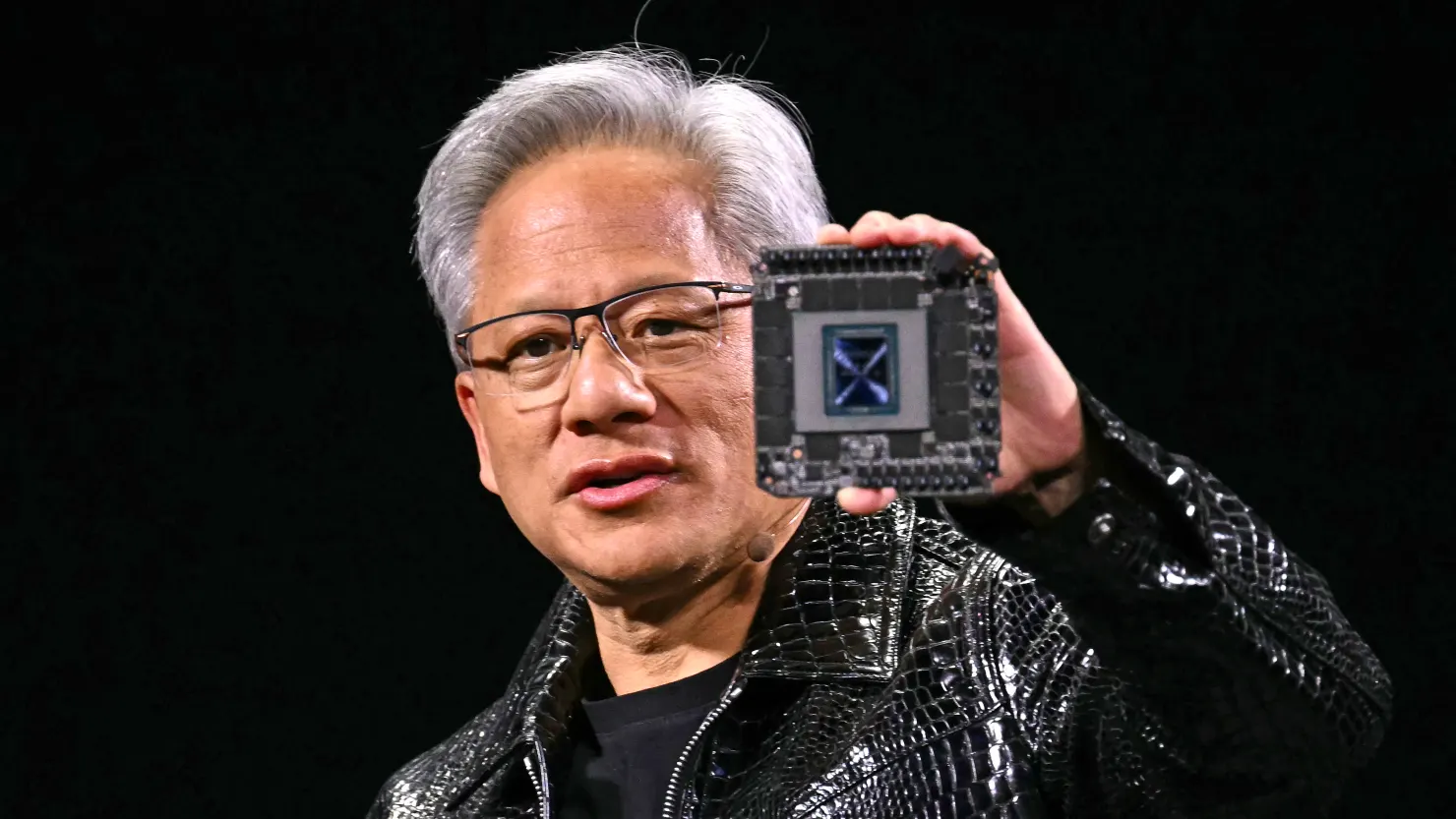
Nvidia’s big boss didn’t mince words. Nvidia CEO Jensen Huang told TV interviewers Wednesday that investors have misread the risk AI poses to enterprise software: agents aren’t coming to eat the software stack, Huang argued — they’re coming to use it, hard and fast.
“I think the markets got it wrong,” he said, pushing back on a wave of selling that’s hammered software names this year as traders fretted over whether AI agents will replace existing enterprise tools — and whether hyperscalers’ massive AI hardware splurges are sustainable.
Huang’s pushback wasn’t abstract. It followed a monster quarter for the chipmaker: revenue jumped 73% year-over-year to about $68.1 billion, and Nvidia guided to roughly $78 billion for the next quarter — numbers that sent the stock a little higher in after-hours trading. Still, the mood on Wall Street is cautious: the recent run-up in AI spending has some investors worried it’s a bubble that might not hold.
At the heart of Huang’s argument is a simple image: agents as tool users, not tool killers. He pointed to everyday software — browsers, spreadsheets — and to specialist enterprise suites you hear about in boardrooms. Those aren’t being made obsolete, he said. Instead, smart agents will call up ServiceNow to dispatch tickets, SAP to check inventory, or CAD tools to run design tasks — stitching existing systems together and making them more productive.
That logic didn’t immediately calm everyone. Some software names moved lower after hours: a few design-tool vendors and EDA players slipped, and the broader S&P software index has been bruised this year. Still, others on TV defended the sector. Dan Niles warned that “there’s some real companies that are going to go to zero” if they can’t adapt — a reminder that Huang’s optimism doesn’t mean every vendor survives. And media heavyweights like Jim Cramer pushed the opposite view, saying software companies are resilient: they adapt, merge, and survive.
Huang’s framing is strategic. If agents become sophisticated orchestration layers, they’ll increase demand for APIs, secure data plumbing, integration platforms, and the very software that enterprise shops use today. The result: more software consumption, not less. That’s the case Nvidia wants investors to buy — literally and figuratively — because the company’s chips sit under a lot of those AI workloads.
Investors’ worry comes from two places. First, the hyperscalers — the handful of giants building out the biggest AI data centers — have been pouring money into GPUs and infrastructure. If their spending slows, Nvidia could feel it. Second, the “AI will eat software” narrative imagines a world where a handful of platform-layer agents replace many point solutions, compressing margins and killing business models. Huang’s retort is that agents will be consumers of tooling, and that specialist vendors who know their domain (think IT service management or ERP) will be the ones building the best agents for that work.
Huang’s line about “agents are tool users” plays to real strengths in the enterprise market: incumbents know workflows, compliance, and customer relationships — things raw LLMs don’t. He specifically name-checked familiar enterprise tool categories (the kinds of systems companies use day-to-day) as examples of solutions agents will lean on. Kalibrating those agents to actually deliver value, however, is still a technical and product challenge, and not every vendor will nail it.
For investors this week, the big question is whether Nvidia’s blockbuster results and bullish guidance prove that the AI hardware boom has legs beyond the hyperscalers — and whether software vendors can pivot from fear to opportunity. If agents truly boost software consumption, vendors with solid APIs and integration roadmaps could see renewed interest. If agents instead replace workflows wholesale, the pain could deepen.
Either way, Huang is betting the narrative will flip: the AI era won’t hollow out enterprise software; it’ll supercharge a new generation of tool usage. Whether markets accept that story will show up in the coming quarters — through earnings, capex patterns at the hyperscalers, and whether software vendors can turn agentic AI into a growth story instead of an existential threat.



The latest news in your social feeds
Subscribe to our social media platforms to stay tuned