




Outdoorsman Argues Wolves Cost Western States More Than Tourism Dollars Bring In

A prominent Montana outdoorsman with more than a million social media followers is pushing back against the widely cited claim that wolves are an economic boon to the West, arguing instead that the predators ultimately drain more from state economies than they generate through tourism.
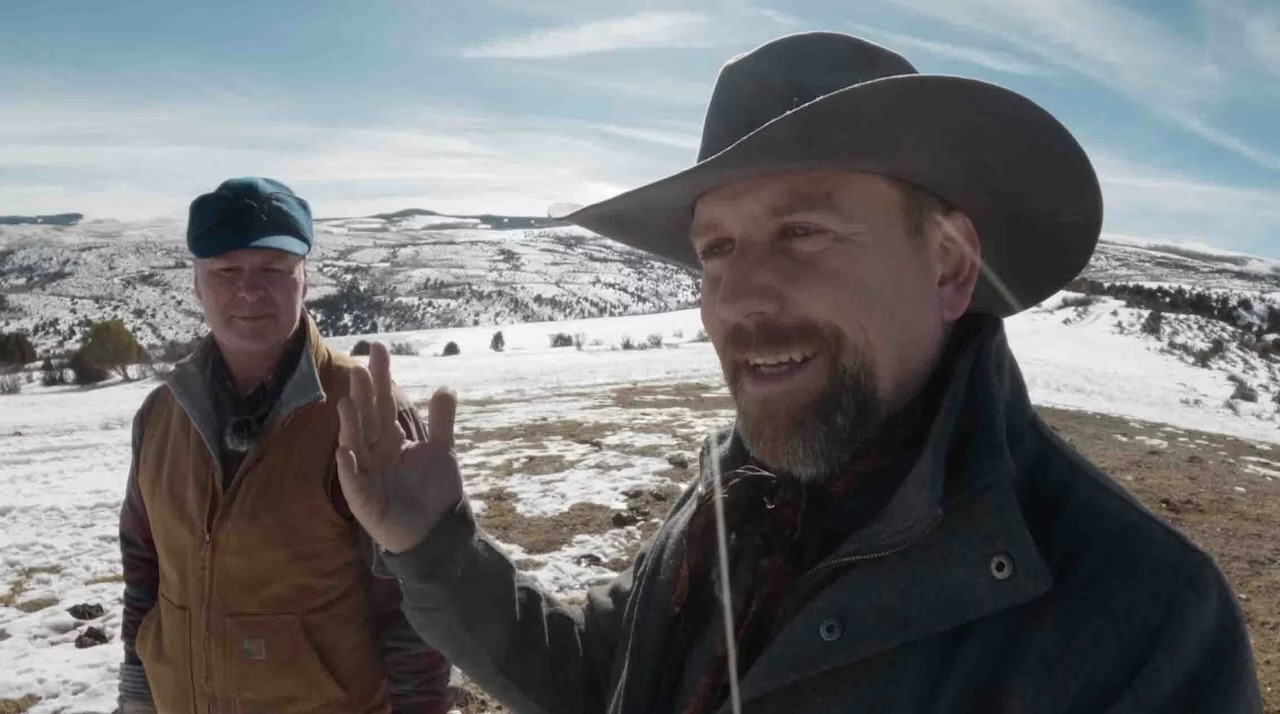
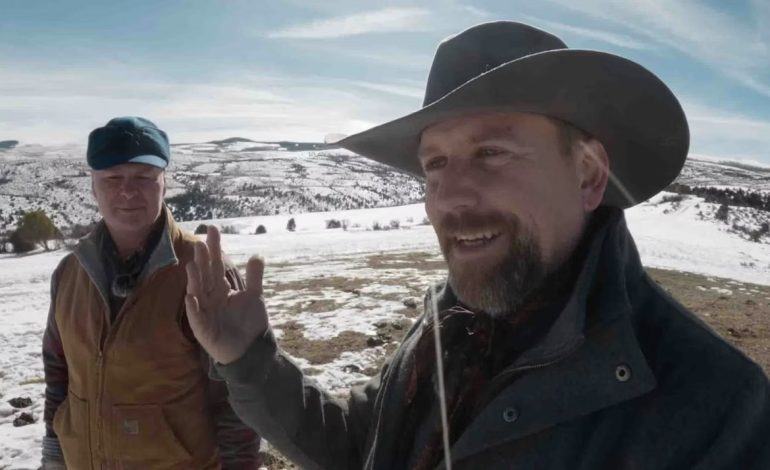
Trinity Vandenacre of Townsend, who runs the YouTube channel Life in the West, says wolf advocates often point to a 2021 University of Montana study estimating that wolves bring $82 million annually to Yellowstone’s gateway communities like Gardiner.
But Vandenacre contends that figure tells only part of the story. The hidden costs—legal fees from endless lawsuits, losses to hunting economies, and broader impacts on livestock—far outweigh local tourism gains, he argues.
“What about the costs to the taxpayers that we spend to fight these things, in our agencies? Then we’re talking hundreds of millions of dollars,” Vandenacre told Cowboy State Daily.
He says the effects ripple far beyond Yellowstone’s borders. Wolves have decimated specific elk herds, including the South Fork herd in Montana’s Bob Marshall Wilderness, which dropped from thousands to about 300 animals. Those hard-hit areas tend to be on public land, pushing hunters onto private property where they can’t access elk.
“The effect on hunting has far-reaching effects across the region,” Vandenacre said. “What we’re doing to our food supply and our recreation and our industries across these states is incalculable.”
Rob Edward of the Rocky Mountain Wolf Project disputes the premise. He notes that Wyoming, Montana and Idaho all have more elk now than when wolves were reintroduced in the 1990s, and argues that wolves help hunters by pushing elk to move more and culling sick animals.
He also points to Colorado’s “Born To Be Wild” license plate campaign, which raised $600,000 its first year and $1 million the second to compensate ranchers for wolf kills. “It’s evident how much people are willing to shell out for the simple knowledge that wolves are on the ground,” Edward said.
But Vandenacre says the cost to ranchers extends beyond direct kills. Stress from wolves can cause whole herds to lose weight, he said. And he questions why states spend heavily restoring elk and moose herds only to have wolves kill them.
He’d like to see wolves managed by a “predator to prey ratio” that accounts for long-term hunting impacts.
Edward maintains hunter success rates have remained steady since reintroduction, and that Colorado’s wolf plan isn’t a threat to its elk herds.
Vandenacre, who has interviewed ranchers in Colorado’s wolf reintroduction zones, remains unconvinced. “Hunters can manage the elk herds there,” he said. “There was no biological need to bring wolves back in.”



The latest news in your social feeds
Subscribe to our social media platforms to stay tuned