

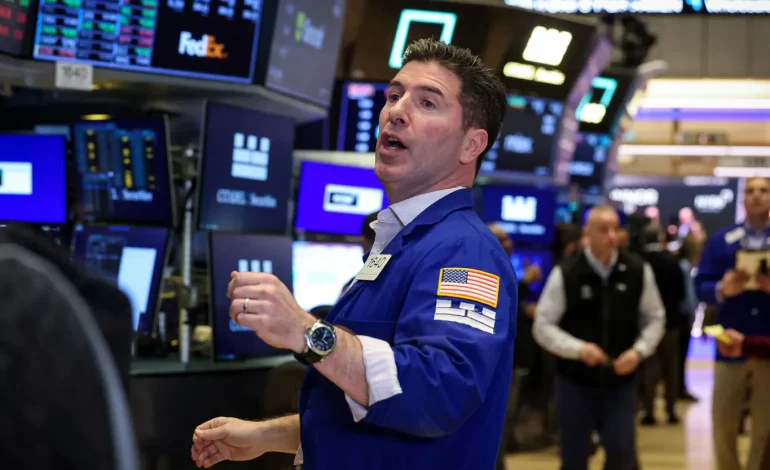
Dow Jones Industrial Average Tumbles after United States and Israel Strike Iran

Bloomberg, CNBC, USA Today, Reuters, AP, and Fortune contributed to this report.
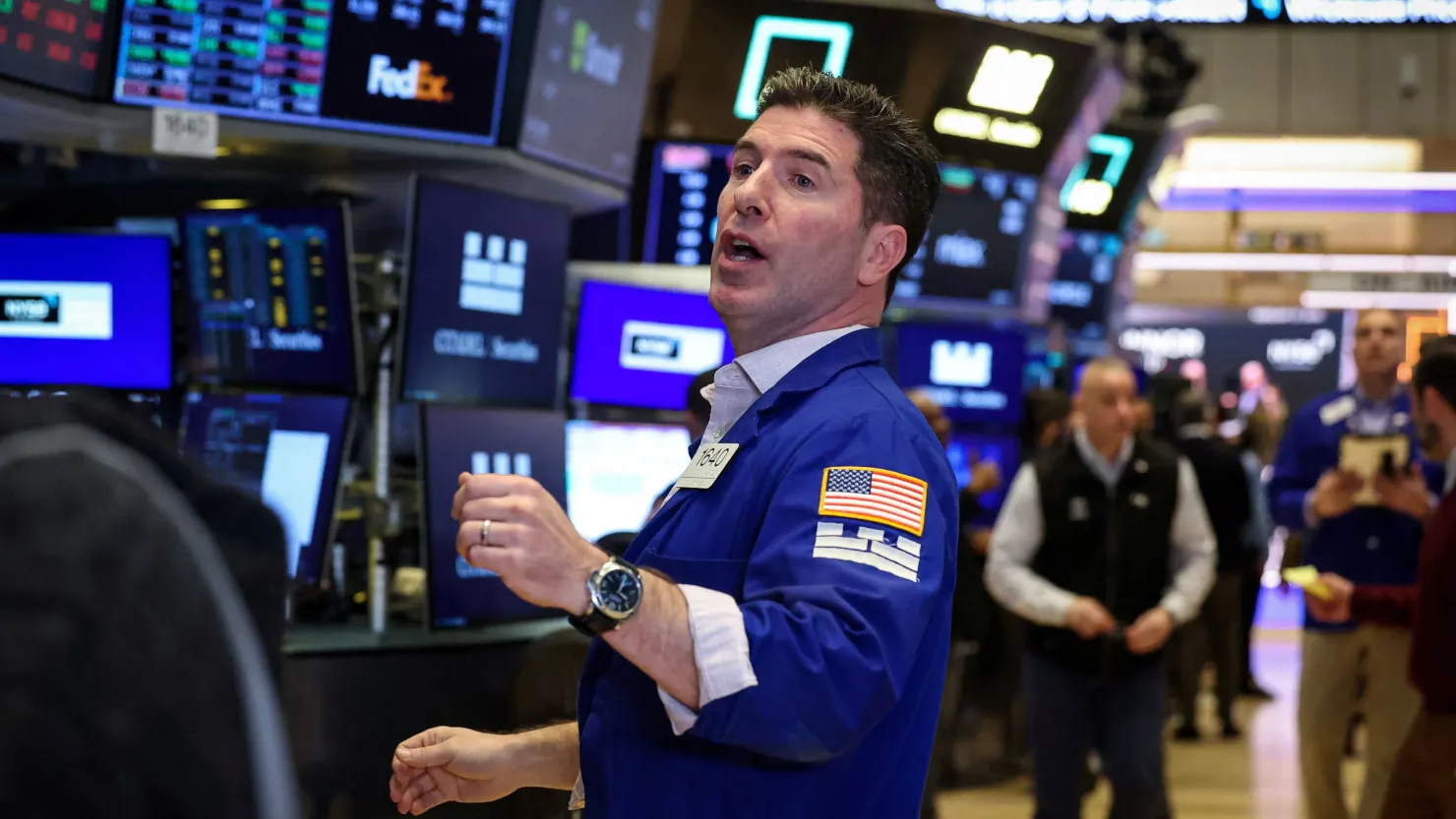
Futures iced over Monday morning as traders digested a brutal weekend: coordinated strikes by the United States and Israel that killed Ayatollah Ali Khamenei and pushed the Middle East back to the top of investors’ worry list.
The raw moves were stark. Dow futures were down about 537 points (roughly 1.1%) by 6 a.m. ET, while S&P 500 futures slid 1% and Nasdaq 100 futures dropped 1.4%. Safe havens lit up: gold futures jumped about 2.9%, and the CBOE Volatility Index — Wall Street’s fear gauge — spiked to its highest level of 2026 so far.
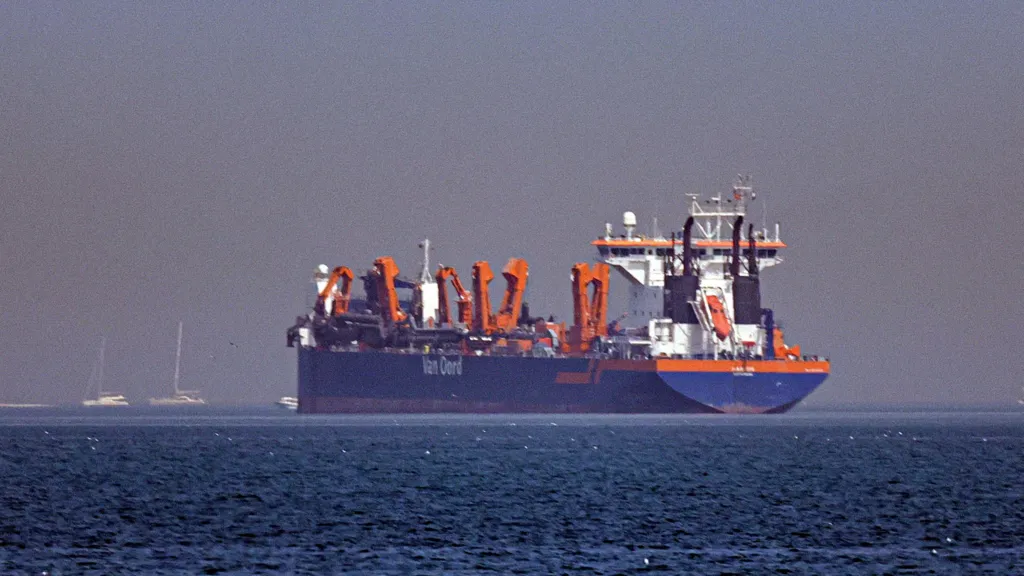
Oil closed the panic loop. US crude shot up roughly 7.4% as traders priced in the risk of a wider regional war and supply snarls. All eyes are on the Strait of Hormuz — shut that choke point and the global energy map gets messy fast.
“Tail risk of a sustained conflict is higher than in 2024 or 2025,” wrote Ajay Rajadhyaksha at Barclays, warning that it’s too soon to treat any sharp dip as a buying chance.
Asset managers echoed that caution: uncertainty tends to sap appetite for risk, and a drawn-out oil shock could kick inflation worries back into the headlines, as Janus Henderson’s Adam Hetts noted.
Market action was classic risk-off. Energy and defense stocks popped — names tied to the sector bounce included Exxon Mobil and Chevron (about +4% early), while defense contractors like Raytheon, Lockheed Martin and Northrop Grumman jumped more than 5%.
But that bid for some names didn’t stop broad selling: tech and banks led losers. Chip maker weakness dragged peers down, while big tech bellwethers Amazon and Alphabet slid. On the financial front, firms such as Morgan Stanley and Goldman Sachs were lower as investors pared risk.
Airlines and travel names were slammed too, after flight suspensions and airspace headaches spread through early trading. That’s the immediate economic pain — higher fuel costs and interrupted routes — and it ripples into consumer and industrial pockets if it lasts.
Analysts warned the bigger worry is duration. Banks like Wells Fargo sketched out worst-case scenarios where a sustained Hormuz shutdown sends oil well above $100 and drags the S&P materially lower. That’s tail-risk territory, but traders aren’t treating it like a joke: with the Fed watching inflation and corporate leaders fretting about AI-driven disruption and private-credit jitters, this geopolitical shock plugs into an already fragile market backdrop.
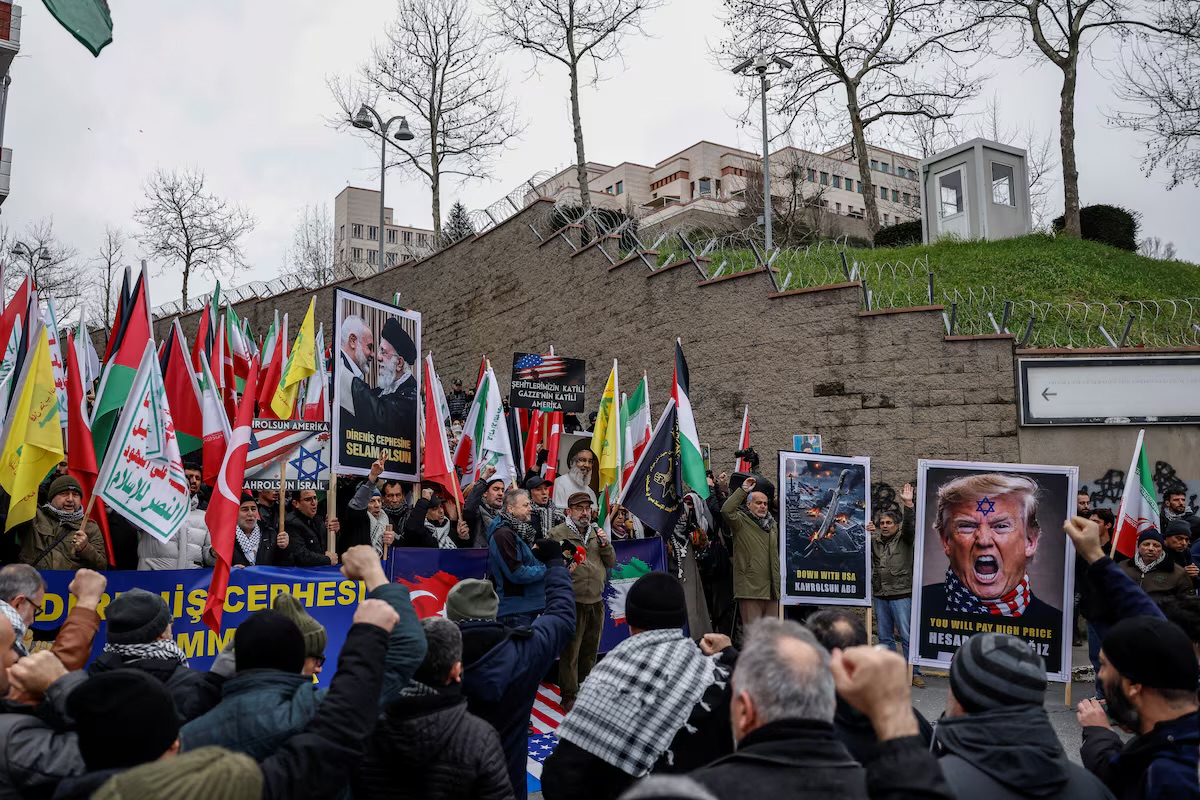
Political signals matter too. Donald Trump has said operations will continue until objectives are met, and that cadence — weeks, not days — is what traders fear. Iran has vowed forceful retaliation, which keeps the set of possible outcomes wide and ugly.
Monday’s session felt less like a one-day tantrum and more like the markets getting a cold dose of reality. Oil is up, safe havens are back in fashion, defense and energy names rally, and the rest of the tape takes a hit. How long this lasts — and how deep the damage — depends on whether the conflict stays local or spills into shipping lanes and supply chains. Until that’s clear, expect volatility to be the new normal.


The latest news in your social feeds
Subscribe to our social media platforms to stay tuned