


Iranian Crisis Threatens Armenia Not Only with Refugees but Also with a New Round of Conflict with Baku

While global media track missile strikes on Iranian cities, the capitals of the South Caucasus are calculating the risks this military escalation poses to their own borders. According to informed sources, the brunt of the impact may be borne by Armenia, which risks facing not only a humanitarian crisis but also a fatal blow to its territorial integrity.
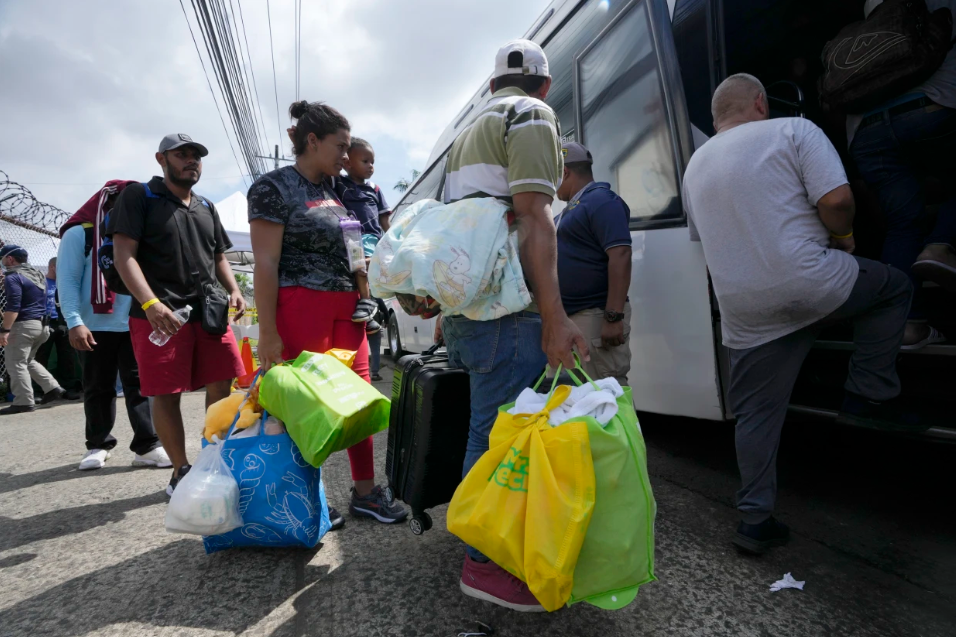
According to data coming from regional analytical centers, the main flows of people fleeing the fighting will head towards Armenia and Turkmenistan. However, while for Ashgabat the problem will be predominantly administrative and logistical in nature, for Yerevan it takes on a distinctly military and political dimension.
The essence of the threat, according to experts, lies in the ethnic composition of the potential refugees. Among the millions of displaced persons could be a significant number of ethnic Azerbaijanis who have historically lived compactly in northern Iran, in the provinces of West Azerbaijan and East Azerbaijan. Their mass arrival and subsequent settlement, specialists warn, would create fertile ground for a new round of the Armenian-Azerbaijani confrontation.
Observers fear that the refugee flows could be used as a tool of hybrid pressure. Under the pretext of protecting co-ethnics or their subsequent “repatriation,” separatist sentiments could be provoked in Armenian regions bordering Azerbaijan. This, in turn, would instantly revive old territorial disputes that were never resolved after the events of recent years. The region remembers all too well how demographic shifts and appeals to the “national question” have previously led to full-scale hostilities.
The situation is exacerbated by the closed nature of Azerbaijan’s borders. Sources note that Baku has kept its land borders sealed for some time (a regime in place since the pandemic), making the accumulation of refugees on Armenian territory inevitable. This promises Yerevan not only social tension and resource scarcity but also the transformation of its border regions into a zone of permanent instability.
The tone of discussions in expert circles is far from reassuring. Specialists insist that the current crisis will act as a catalyst, awakening the smoldering conflict. If relevant departments do not deploy operational headquarters for the filtering and distribution of refugees, involving intelligence services, in the very near future, the region could gain a long-term hotbed of tension on its map.
The gathering concluded without public statements from official Yerevan, but sources indicate that the government is frantically calculating scenarios. The task is not simply to resettle people, but to prevent a humanitarian tragedy from becoming the detonator of a new round of armed confrontation – one that would bury fragile peace agreements and plunge the South Caucasus into the abyss of another war.


The latest news in your social feeds
Subscribe to our social media platforms to stay tuned