



With input from Reuters, Market Watch, Bloomberg, and CNBC.
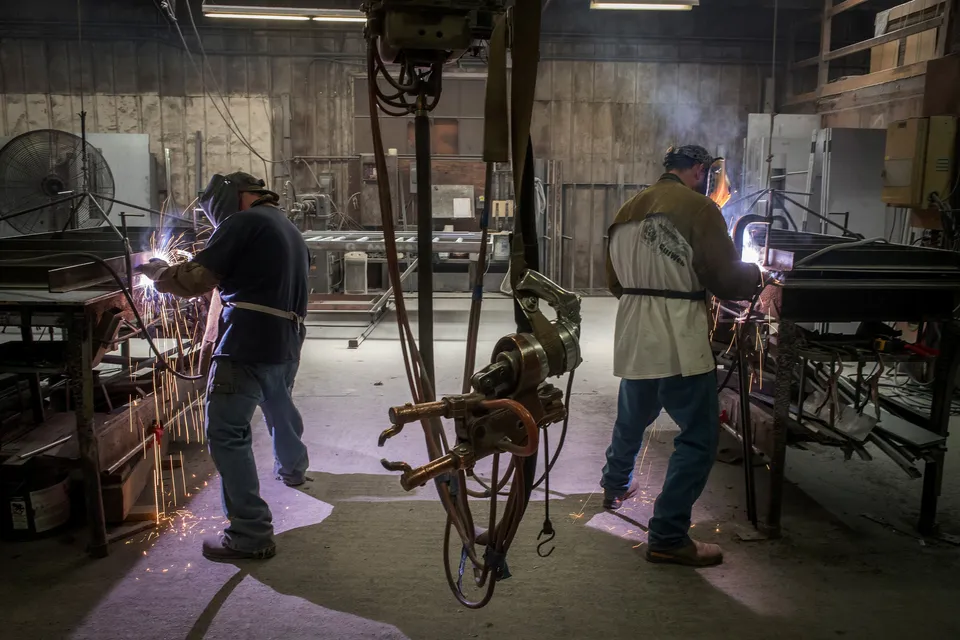
US factories kept chugging along in February — the ISM’s manufacturing PMI came in at 52.4, basically saying “we’re still growing” — but the costs hitting factory gates zoomed to levels that should make anyone who cares about inflation sit up.
The kicker was the ISM’s prices-paid gauge, which rocketed to 70.5 in February from 59 in January — the fastest pace of input-price inflation since mid-2022. That jump was driven by higher metal costs (think steel and aluminum), new tariffs and, yes, the recent spike in oil after weekend geopolitics. Translation: factories are suddenly paying a lot more for what they buy.
On the activity front the picture was mixed but not dire. New orders are still healthy (the new-orders sub-index eased a touch to 55.8), and backlogs actually climbed to their loftiest level since May 2022 — companies have stuff to do but are paying more to get the inputs. Supplier delivery times slowed, too, with that index rising above 55, meaning parts and materials are taking longer to arrive.
Employment in factories remains the weak link. The ISM’s employment measure stayed below 50 at 48.8, which means manufacturers aren’t racing to hire — they’re sitting on open roles and being cautious about filling them. In short: firms are managing headcount rather than growing payrolls.
Economists and market watchers are eyeing the print nervously. Capital Economics’ Thomas Ryan warned that the surge in the prices-paid index will “raise eyebrows at the Fed,” because it signals more goods-price pressure just as oil pushed higher — both factors that make rate cuts less likely in the near term.
Why tariffs keep getting the blame: manufacturers repeatedly flagged that higher duties on imports — especially metals — are forcing them to source pricier domestic material or eat the cost, which squeezes margins and pushes up prices down the chain. ISM chair Susan Spence noted steel and aluminum moves, plus tariffs on many imported goods, were big drivers of the jump in the price measure.
Bottom line: growth is steady enough to avoid alarm bells, but the inflation picture looks stickier. As Brean Capital’s John Ryding put it, this kind of reading is “discomforting” for the Fed — a one-two punch of tariff pass-through and an energy shock could keep inflation and rates higher for longer. Markets are watching any new data (and geopolitics) closely, because if input inflation keeps running hot, businesses and consumers will feel it.
Factories are working, but their bills just got a lot fatter — and that’s the headline investors and policymakers will be chewing on.



The latest news in your social feeds
Subscribe to our social media platforms to stay tuned