




The New York Times, the Wall Street Journal, New York Post, and Bloomberg contributed to this report.
Paramount’s victory in the boardroom is the easy part — convincing regulators around the world is the hard one.
Global officials are expected to closely examine the $111 billion deal, which ties together two entertainment powerhouses, over potential competition issues.
The deal’s buyers — led by David Ellison with deep backing from Larry Ellison — have cozy ties to Donald Trump that could smooth the path in Washington. But that political alignment won’t stop state attorneys general, European regulators and others from giving the merger a close, legal scrub.
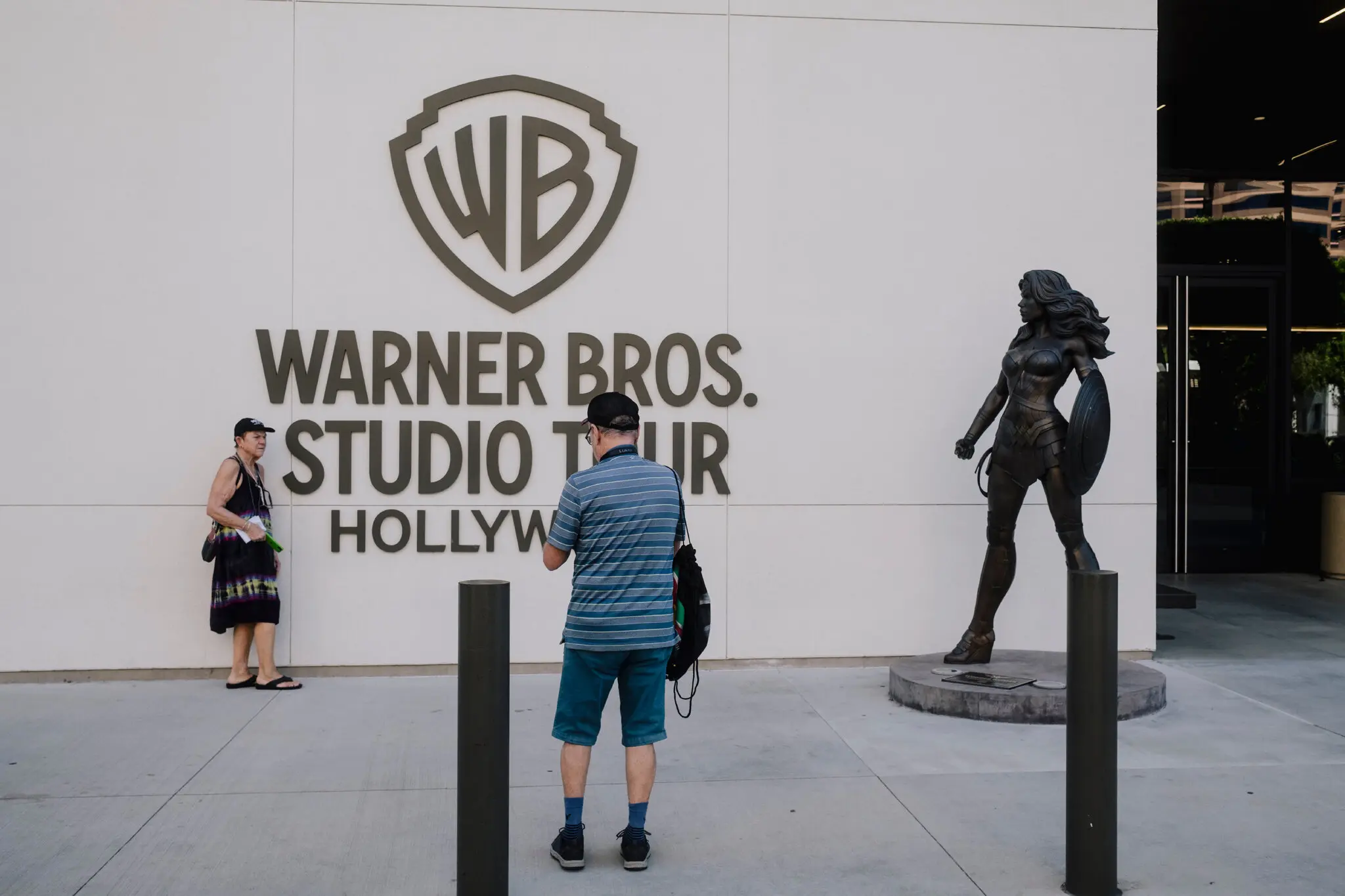
On top of the studios and franchises, the combined company would own the two streaming services Paramount+ and HBO Max, plus big news outlets CBS and CNN — ingredients regulators will look at when weighing market power and the diversity of voices consumers see on TV and online.
The worry from critics is straightforward: fewer major studios mean fewer bidders for scripts, fewer employers for crews and writers, and therefore lower pay and less competition for creative rights. That’s the same sort of logic the federal government used to scuttle a big publishing deal in 2022, and it’s the argument behind the objections from the Writers Guild of America.
Not everyone in Washington is in a position to block the deal. Still, federal agencies like the Department of Justice can probe and, if they find problems, sue to stop mergers or demand remedies. California’s attorney general, Rob Bonta, has already signaled a tough look, and state reviews can be powerful — they can even lead to court fights.
Paramount’s rival suitor, Netflix, and its chief, Ted Sarandos, backed a competing bid late last year but ultimately stepped back after a bruising fight and political headwinds. Warner’s current chief executive, David Zaslav, says the deal could take as long as 18 months to clear — a timeframe that mostly reflects the regulatory gauntlet ahead.
What happens next is classic merger theater: filings, questions, possible demands to spin off assets, and public hearings. Lawmakers have limited power to block the deal outright, but they can use hearings to spotlight concerns — and some Democrats have already warned they’ll press hard. Senators such as Adam Schiff and Chris Murphy have urged “the highest levels of scrutiny,” while allies of the buyers point to the Ellisons’ promises to keep theatrical movies and traditional film businesses alive — a reassurance that some producers welcomed.
The story that played out in the months before the win had it all: a nasty bidding war, last-minute lobbying in Washington, and plenty of theater outside courtrooms and boardrooms. But headlines and hashtags won’t decide this one — regulators will. Expect a long, messy review that will test whether the combination of two of the industry’s biggest players really helps consumers, or just squeezes the market tighter.
Either way, after the celebration in the conference rooms, the real negotiations start in regulatory filings, interviews and, likely, courtrooms.

The latest news in your social feeds
Subscribe to our social media platforms to stay tuned