


Qatar Stops LNG, Tankers bottle up — Strait of Hormuz Turns into No-go

With input from Bloomberg, the Wall Street Journal, the New York Times, CNBC, Al Jazeera, Sky News.
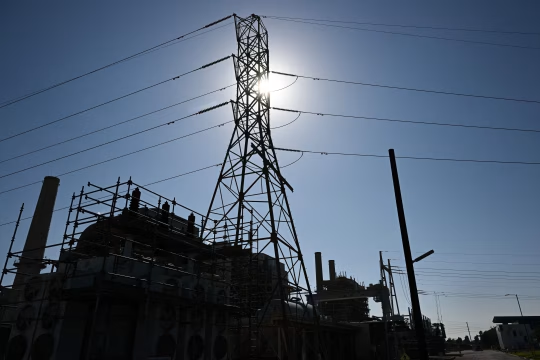
The Gulf just slammed a door on a big chunk of the world’s gas market. After weekend strikes hit key facilities, the country’s top energy operator halted liquefied natural gas output at its main export hub, knocking roughly a fifth of global LNG off the board and sending European gas prices into a tailspin.
Ships aren’t running through the choke point. Hundreds of tankers and gas carriers have dropped anchor outside the strait and shipping lines have paused transits, effectively freezing tanker traffic and snarling global supply chains. The rout in movement — plus insurers pulling war-risk cover — has doubled down on the disruption.
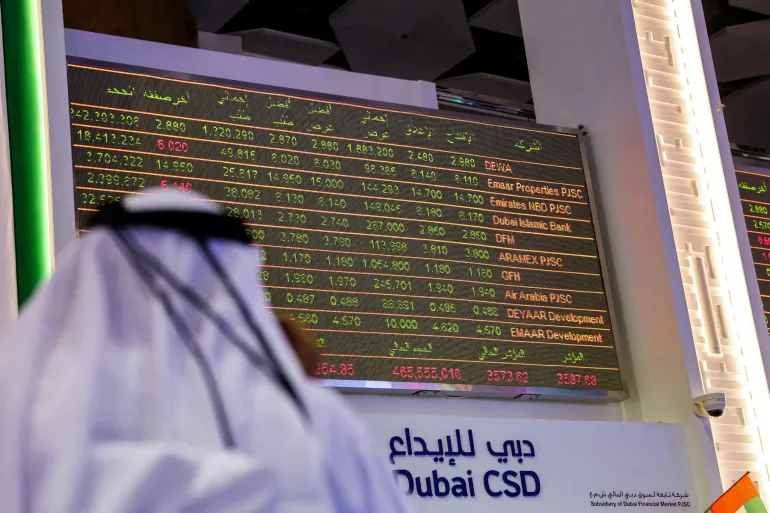
The market reaction was fast and ugly: European gas benchmarks spiked as much as about 50%, while oil briefly jumped into double-digit percentage gains, testing levels not seen since last year. Traders are scrambling for alternative supplies, but re-routing LNG and refilling inventories takes time.
Why it matters beyond headlines: LNG is hard to move fast. Tankers need time to load, and terminals to receive. If flows through the strait stay choked for weeks, Asian and European buyers will start fighting over available cargoes — and that could push prices a lot higher, possibly back toward 2022-style pain. Analysts warn the disruption could feed into inflation and nudge policy decisions in major economies.
Some firms are already stepping in: US and other exporters said they’re ready to shuffle cargoes to help fill gaps, and shipping giants are rerouting vessels around Africa’s Cape of Good Hope — a slower, costlier option that will keep freight bills elevated. But the clock is the problem: even if production restarts soon, refilling the market isn’t instant.
This isn’t just a spike on a screen — it’s a real-world squeeze on fuel and shipping that could ripple through energy bills, manufacturing costs and inflation if it drags on. For now, traders and policymakers are watching one key question: how long before traffic through the strait starts flowing again?


The latest news in your social feeds
Subscribe to our social media platforms to stay tuned