

Ships Anchored, Markets Wobble — Oil Surges as Iran’s Strikes Choke Hormuz

With input from BBC, CNN, and Reuters.
Global oil prices jumped and stocks slid Monday after strikes and counterstrikes around the Gulf sent ships seeking shelter and traders pricing in a longer, nastier standoff.
Brent crude popped about 10% to top $82 a barrel early in the session before easing back toward the high-$70s, while US futures rose roughly 7–8%. Natural gas spiked as much as 25%. Safe-haven gold climbed about 2.3% to $5,395.99 an ounce as investors piled into anything that feels less risky than stocks.
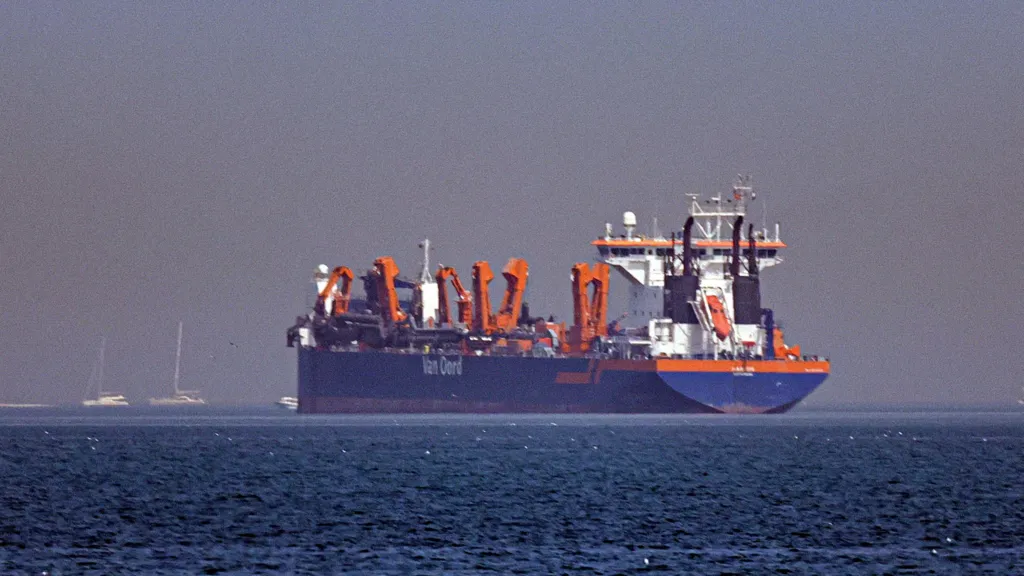
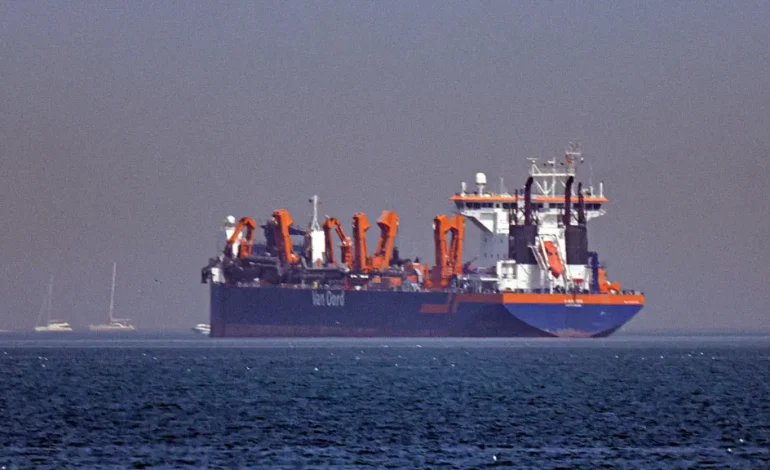
The moves followed a weekend in which forces tied to Iran launched strikes across the region in response to attacks by United States and Israel. At least three vessels were hit near the Strait of Hormuz — the narrow choke point that carries roughly a fifth of the world’s oil and gas — and maritime traffic has largely ground to a halt as shipowners and insurers reassess the danger.
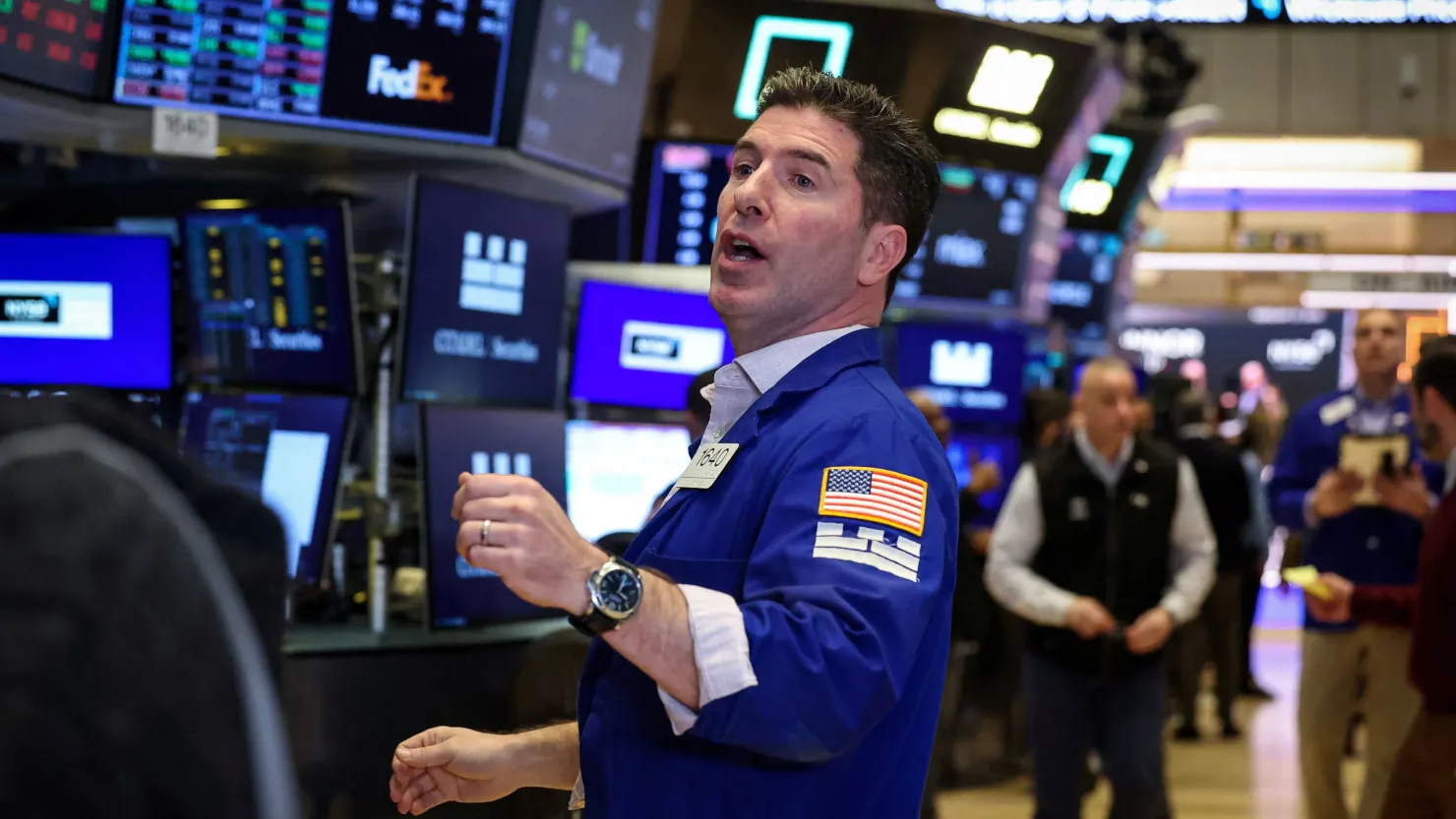
Markets felt it. London’s FTSE 100 opened nearly 1% lower, while France’s CAC-40 slipped about 1.6% and Germany’s DAX dropped roughly 1.7%. Airlines were among the hardest hit after airspace closures and route suspensions, and broad selling hit banks and tech names too.
Official trackers reported dozens — if not hundreds — of vessels idling outside the strait. The reporting arm known as the UKMTO said two ships were struck and that an “unknown projectile” exploded very close to a third. Ship-tracking firm Kpler said about 150 tankers had anchored in open Gulf waters, and its analyst Homayoun Falakshahi warned that insurance costs have surged and crews are avoiding the lane for now.
“The strait is effectively closed until we see traffic return,” he said — and that’s the key.
As MST Marquee’s Saul Kavonic put it, the market isn’t in full panic because, so far, production and major transport infrastructure haven’t been directly hit. Saul Kavonic cautioned traders are watching for signs shipping resumes; if it does, prices should cool.
Still, a longer shutdown could push prices much higher. Dubai-based consultant Robin Mills noted traders react fast to headlines, and if the strait stays closed the jump in prices would feed quickly through to consumers. Oil producers’ club Opec+ agreed to add 206,000 barrels a day to global supply — a token cushion, some say, unlikely to fully offset a real choke in transit.
Route changes are already under way. Danish shipping giant Maersk suspended sailings through some Middle East straits and said it would divert ships around the Cape of Good Hope, adding days and costs to voyages.
The human and commercial toll is real: at least one seafarer was killed when a tanker took a hit off Oman, ports paused operations and insurers prepared for higher war-risk premiums. Brokers like Marsh warned marine hull insurance rates in the Gulf could jump sharply when underwriters reassess exposure.
Economists are already flagging second-round effects. Sarasin & Partners’ Subitha Subramaniam warned that persistently high oil could cascade into food, industrial commodities and ultimately push inflation back up — complicating policy decisions for central banks such as the Bank of England, which has been inching rates lower as inflation eased.
For now it’s headline-driven volatility — oil and gas spike, gold and defense stocks get bids, airlines and exporters slide — but the real danger is duration. If shipping lanes reopen quickly, the shock could be short-lived. If the Strait of Hormuz stays effectively closed for weeks, the price tag will be measured not just in dollars per barrel but in broader inflation and global trade pain.


The latest news in your social feeds
Subscribe to our social media platforms to stay tuned