


United Arab Emirates Shutters Markets — Here’s Why the Exchanges Stayed Closed

Al Jazeera and Reuters contributed to this report.
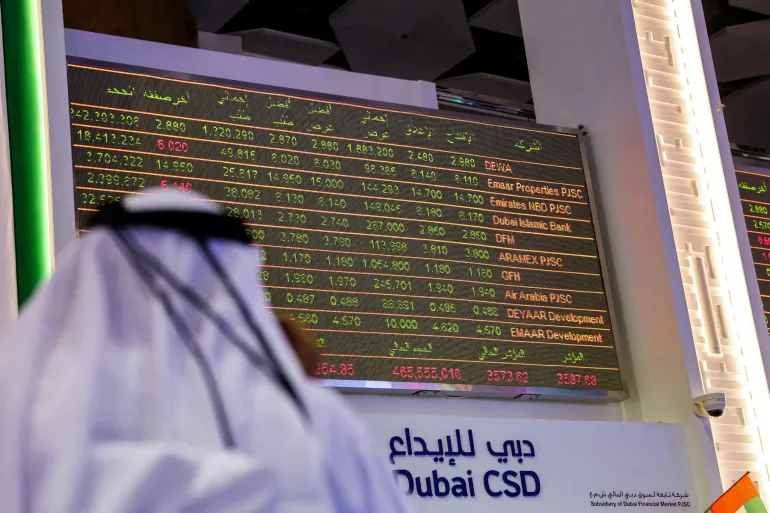
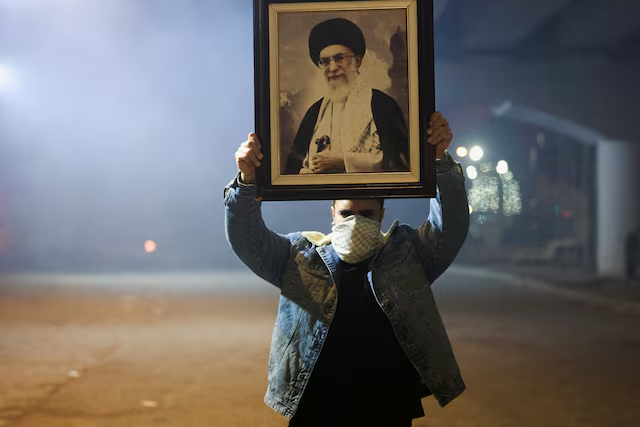
The country’s markets went dark after a weekend of regional chaos: the main trading floors in Abu Dhabi and Dubai stayed shut as authorities digested the fallout from US and Israeli strikes on Iran that killed its supreme leader and touched off a wave of retaliation.
The regulator said the two main bourses — the Abu Dhabi Securities Exchange and the Dubai Financial Market — would remain closed for the Monday–Tuesday window following a weekend that included drone and missile strikes and an attack at the capital’s airport that killed one person and wounded several others. The Capital Markets Authority said it’s watching developments “on an ongoing basis” and may take further steps as needed.
Why shut markets mid-week? Short answer: panic control. Regulators sometimes pause trading to prevent a stampede of selling that can snowball into a full market rout — especially when news is violent, fast and messy. Closing the books gives officials breathing room to assess market plumbing, liquidity and investor safety before letting everyone flood back in.
Critics aren’t thrilled. Some economists argue such pauses cut off access to cash and actually deepen uncertainty — exactly what markets hate most.
“Investors don’t like uncertainty, and at times of market stress, liquidity is most important. It appears the regulator just took that away,” said Burdin Hickok, an academic who studies market behavior.
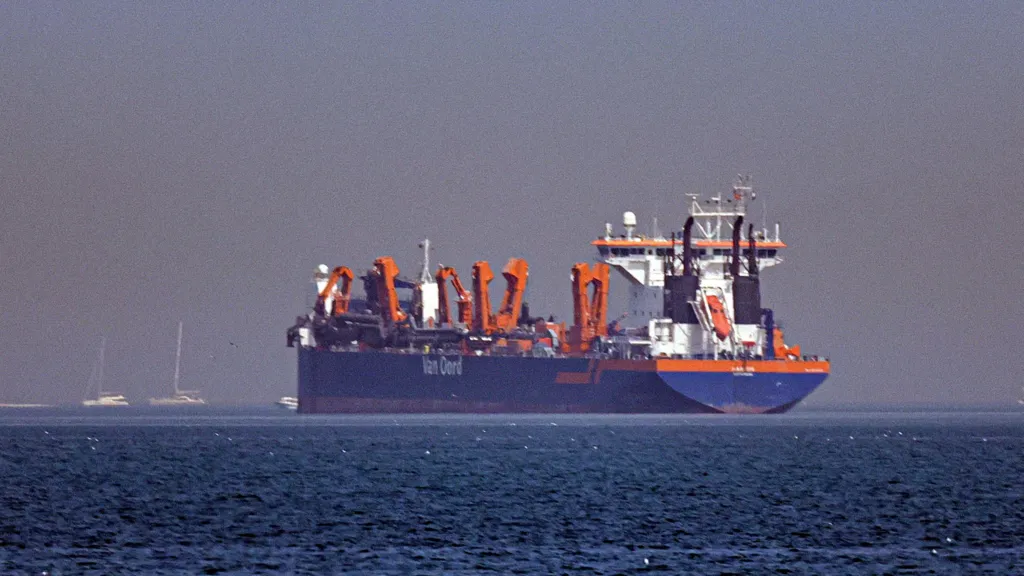
This isn’t unprecedented in the region: exchanges have been paused before for national mourning and other exceptional events, and markets worldwide have shut during past crises. Still, the timing — during a spike in oil prices, shipping disruptions through the Strait of Hormuz and broader selloffs across Gulf and global markets — makes the move feel larger than a simple technical pause.
The practical fallout: investors can’t trade for the pause duration, price discovery is frozen, and foreign money managers will be watching closely for signs of capital flight or longer-term reputational damage. For now, officials are betting a short, controlled outage is better than letting a fear-driven spiral run loose. Whether that gamble calms nerves or stokes new ones will become clear once screens light up again.


The latest news in your social feeds
Subscribe to our social media platforms to stay tuned