

Asif Merchant says Iran forced him to plot hits on Donald Trump, Joe Biden and Nikki Haley — his claim, a courtroom version

FOX News, Reuters, the New York Times, New York Post, contributed to this report.
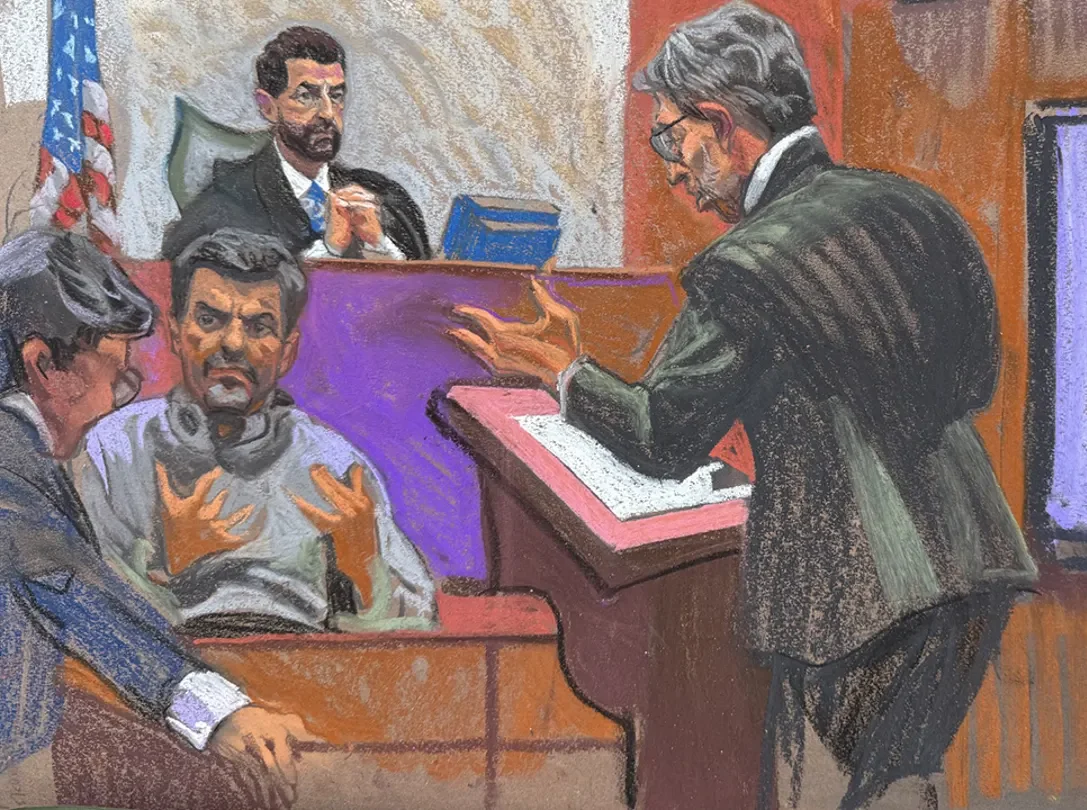
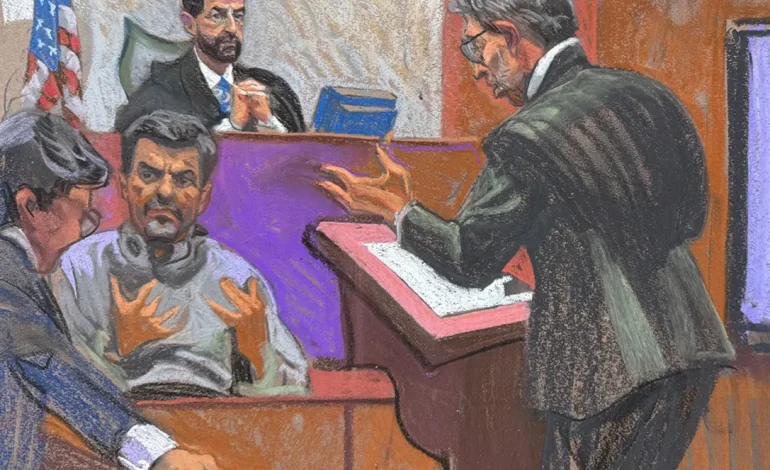
A Pakistani businessman on trial in New York told jurors on Wednesday that he didn’t wake up one day and decide to try to hire hit men to assassinate top US politicians. He says he did it because the Islamic Revolutionary Guard Corps threatened his family — and left him with no choice.
That’s the short version of what Asif Merchant told a Brooklyn federal courtroom. He testified he was coerced, that a handler named Mehrdad Yousef pushed him into recruiting criminals and arranging protests, theft and money-laundering — and “maybe, to have somebody murdered.” Merchant said he only went along because his relatives in Iran were under threat. He spoke through an interpreter and kept returning to the same line:
“My family was under threat, and I had to do this.”
The prosecution casts a different picture. They say Merchant wasn’t a frightened pawn — he was an active participant who sketched out plans on a napkin, tried to hand over $5,000 for a hit, and never once went to US authorities until it was too late. That $5,000, prosecutors note, went to men who turned out to be undercover agents with the Federal Bureau of Investigation. Merchant was arrested trying to leave the country, they say, before any real steps toward murder were carried out.
Merchant admits parts of that. He told the court he expected to be arrested — that he never believed the plot would succeed. He said he intended to cooperate with the government once he was caught, even hoped that would help him secure permanent residency.
“I did not think I was going to be successful,” he told jurors. “I was not wanting to do this so willingly.”
A few facts on the table: Merchant was indicted in mid-2024 after agents say surveillance caught him sketching an assassination plan on a motel napkin. He allegedly tried to hire two hit men — who were FBI operatives — and he was stopped at the Houston airport earlier that year, where immigration agents searched his devices and luggage. He has been charged with terrorism and murder-for-hire offenses that carry life sentences if he’s convicted.
Merchant’s backstory reads like a spy novel with a sloppy, modern edge. He described a mixed career — banking, banana exports, selling cars, then joining his uncle’s garment business. He has family in Pakistan and in Iran; he met his Iranian wife on a pilgrimage. That cross-border life, he says, is what left him vulnerable when the handler started exerting pressure.
He also walked through how the assignment evolved. He said it began with hawala transfers — a shadowy, informal money-moving system used to dodge sanctions. But meetings in Tehran, he said, changed the mission. The handler wanted someone in the US to recruit locals who’d be “sympathetic” to Iran’s cause; when Merchant pushed back, the job escalated into darker territory, he testified.
Prosecutors asked him blunt questions about whether he knew he was dealing with a designated terrorist organization. He answered yes. They also highlighted that he never told FBI agents, during interviews after his arrest, that he’d acted under duress — a key point prosecutors argue undermines his defense. In filings, they say the record lacks evidence showing true coercion.
Merchant told jurors he covertly fed updates to his handler by shipping a book back to Iran with hidden messages inside. He said he trained in counter-surveillance techniques, learned to check for cameras at airports, and was told to find “Mafia” types — which, he clarified, meant local low-level criminals, not Italian mobsters.
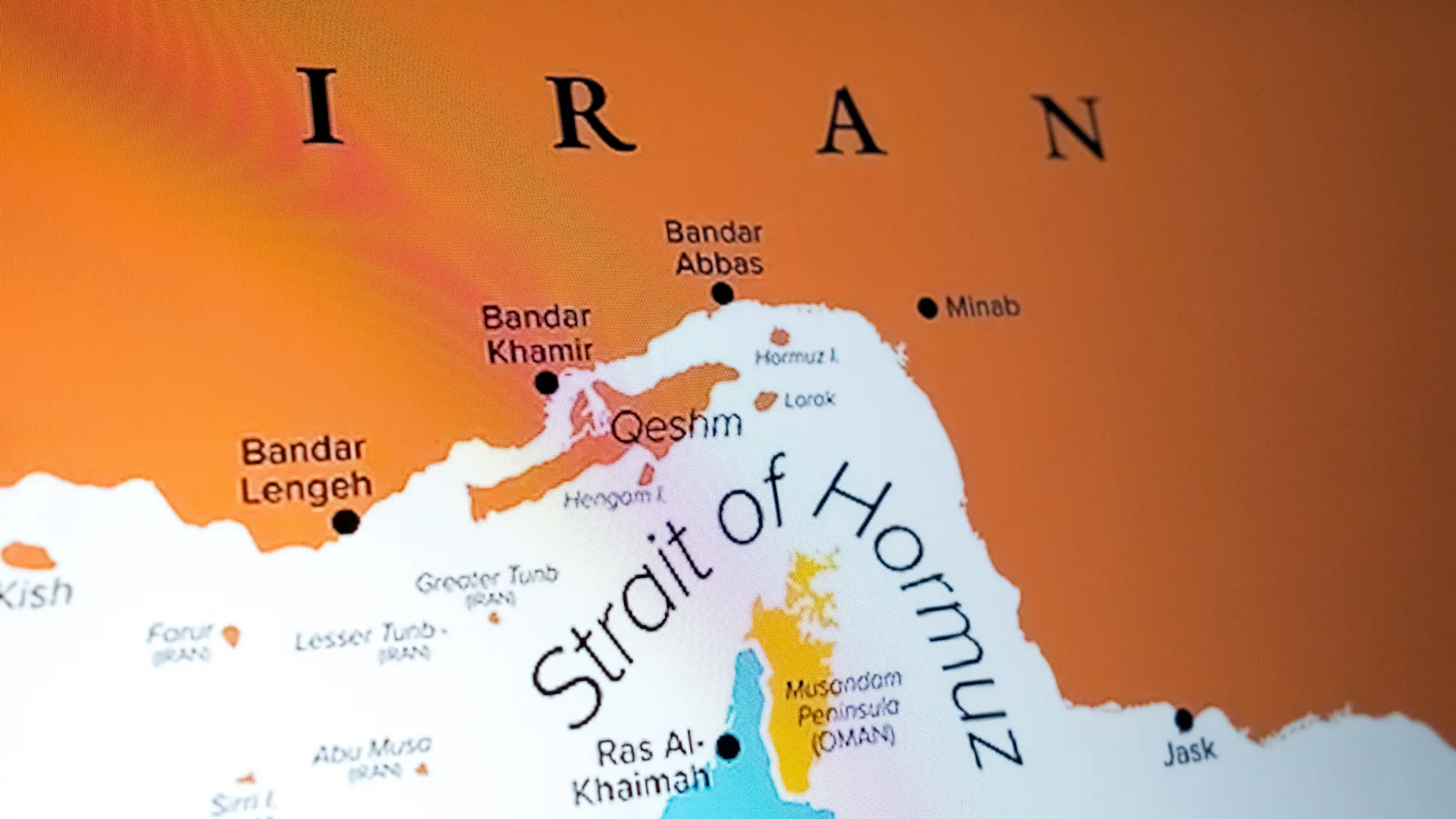
The political context has only magnified attention on the case. The trial is unfolding while US and Israeli strikes against Iran and other regional violence make headlines, and while Washington points to past Iranian plots as part of its reasoning for broader military moves. The Iranian government denies ordering assassinations of US officials.
There are human details in Merchant’s testimony that don’t make neat sound bites. He described clutching at options — wanting to tell authorities, wanting to apply for a green card, imagining that cooperation might secure his family’s safety. He admits he pocketed cash from a cousin to give as a “token,” and that he knew $5,000 would never buy a real hit. That, he said, was part of a plan to show willingness while actually hoping to get caught.
Prosecutors, though, want the jury to focus on actions rather than intention. They stressed that he drew maps, researched Trump rally locations, and continued the plot even after being questioned at the Houston airport. They point to video of Merchant explaining a plan in a motel room to an associate who was actually an informant. They’ve also flagged social-media images recovered by investigators that are grotesque and evocative — and that the government says show violent intent.
Merchant’s attorney argues duress. The Justice Department — whose complaint included images and recordings that helped trigger the arrest — argues deliberate crime. The jury will have to sort through a tangle of claims, counterclaims, and a lot of fear.
Either way, the case raises ugly, modern questions: how state actors recruit abroad, how informal networks like hawala can be used, how the tangled ties of cross-border families are exploited, and how an alleged plot can collapse into the hands of law enforcement before anyone actually gets hurt.
Merchant is taking the stand at his own trial — a risky move that puts his story front and center. He faces life if convicted. He keeps insisting he had no real choice, that the threats to his family left him trapped. The jury will have to decide whether he was a terrified foreign national doing the bidding of a paramilitary force, or an active conspirator who crossed the line from illicit transfer to terrorism.
Either verdict will land in a world already jittery about foreign plots and political violence. For now, Merchant’s narrative — scared, cornered, conspiring and hoping for rescue by the same country he allegedly plotted to strike — is one more confusing chapter in a story too big for any single courtroom to contain.


The latest news in your social feeds
Subscribe to our social media platforms to stay tuned